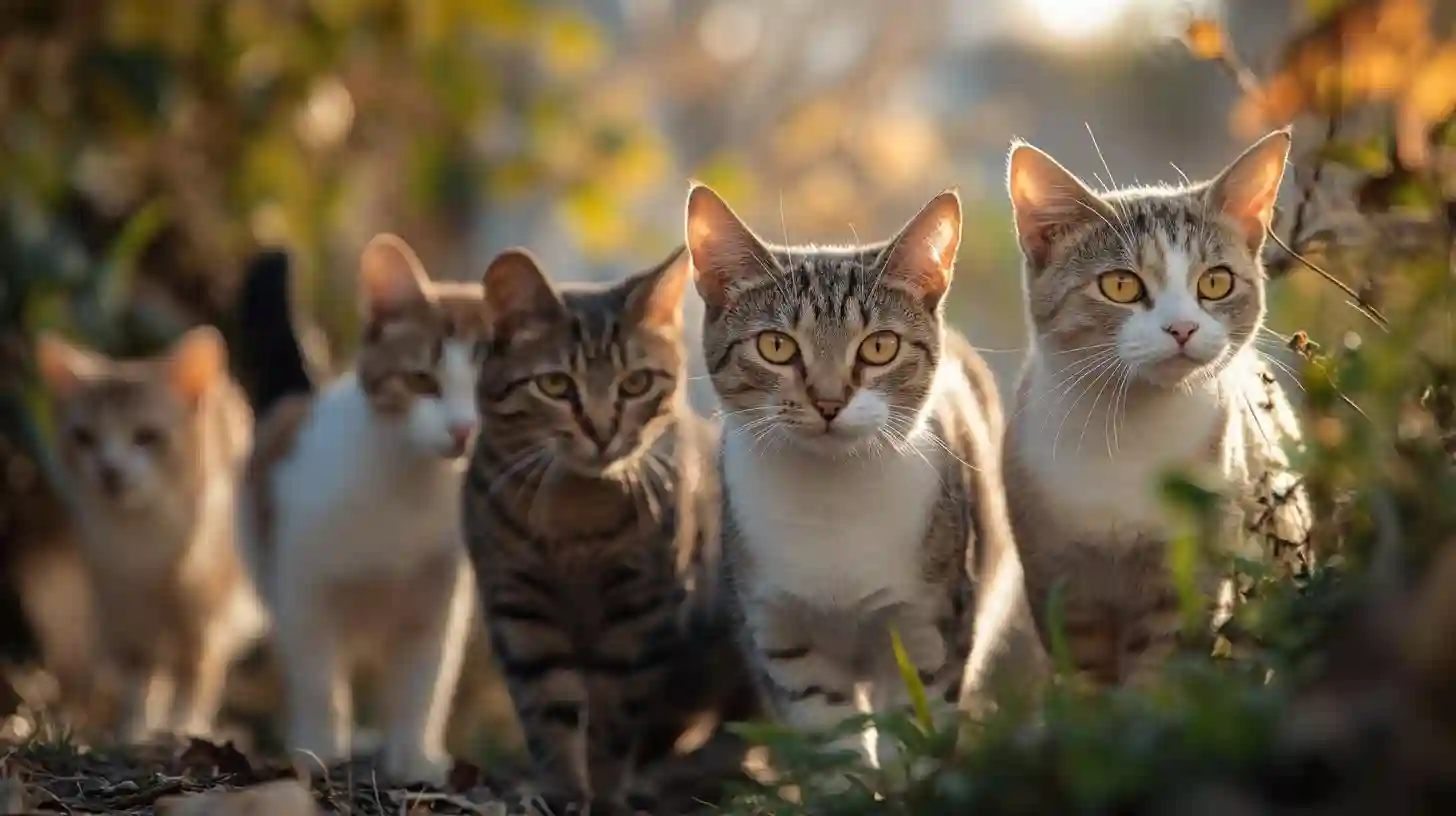
The debate over whether cats should roam freely outdoors or remain indoors has gained significant attention in recent years, as experts increasingly advocate for the latter. Proponents of indoor living for felines emphasize not only the health benefits for the pets themselves but also the broader ecological and safety implications of allowing cats to explore outside.
One of the primary concerns about outdoor cats is their exposure to a variety of health risks. Feline diseases, such as feline leukemia virus and feline immunodeficiency virus, are more commonly transmitted in environments where cats interact with each other. Furthermore, outdoor cats are at greater risk of encountering parasites like fleas, ticks, and worms, which can lead to serious health complications if not addressed promptly. By keeping cats indoors, owners can significantly reduce these risks and promote a longer, healthier life for their pets.
In addition to diseases and parasites, outdoor cats face dangers from predators and vehicles. Birds of prey, coyotes, and stray dogs pose threats to cats that venture into the wild. Unfortunately, many cat owners do not realize the extent to which these dangers exist until it is too late. Moreover, the risk of accidents involving cars cannot be understated. Collisions can lead to severe injuries or even death, making the outdoors a treacherous environment for felines.
Behavioral issues can also emerge from allowing cats to roam freely. While some argue that outdoor access provides necessary stimulation and exercise, the reality can often differ. Cats that are allowed outside may become territorial or aggressive as they encounter other cats. These behavioral changes can lead to fighting and potentially serious injuries or diseases. In contrast, indoor cats can enjoy an enriched environment tailored to their needs, complete with scratching posts, climbing structures, and interactive toys that stimulate their natural instincts without the accompanying risks.
Environmentally, the impact of outdoor cats is substantial. Cats are natural hunters, and their predation affects local wildlife populations. Studies have shown that free-roaming domestic cats significantly contribute to declines in bird, small mammal, and reptile populations. By keeping cats indoors, owners can help protect these vulnerable species and contribute positively to local ecosystems. This awareness is crucial, especially as many communities work towards conservation goals and strive to maintain biodiversity in their regions.
Indoor life does not equate to a lack of activity or stimulation. There are numerous ways to create a fulfilling indoor environment for cats, allowing them to express their natural behaviors while ensuring their safety. Cat trees, interactive toys, and puzzle feeders can provide the physical and mental stimulation that felines require. Moreover, owners can establish regular play sessions to keep their pets engaged and active. Creating a windowsill perch or providing access to a secure outdoor enclosure can also allow cats to enjoy fresh air and observe the outside world without the associated risks.
In cases where owners may feel guilty about denying their cats outdoor access, it is essential to recognize that maintaining a cat's safety should be the priority. Understanding and addressing the cat’s need for exploration can lead to innovative solutions that satisfy both the owner’s and pet’s desires. Engaging with specialists in feline behavior can provide insights into creating an enriching indoor environment, making it easier to transition cats to a safer lifestyle.
Educating pet owners about the potential hazards and consequences of allowing cats to roam outside is critical. Many people remain unaware of the multitude of risks involved, and raising awareness can lead to a cultural shift in how we care for our feline companions. Through community outreach, workshops, and easily accessible online resources, veterinarians and animal welfare organizations can provide valuable information to help owners make informed decisions about their pets' well-being.
The case for keeping cats indoors is bolstered by the growing body of research and expert opinions advocating for feline health and safety. By recognizing the potential dangers and the advantages of indoor living, pet owners can make choices that positively impact their cats' lives. A change in perspective regarding cat care can lead to healthier pets, thriving wildlife populations, and a more harmonious relationship between people and their furry friends. Through dedicated education and thoughtful actions, it's possible to redefine the modern cat-owner experience for the better, ensuring that our cherished pets live their fullest lives without the risks that come with the great outdoors.