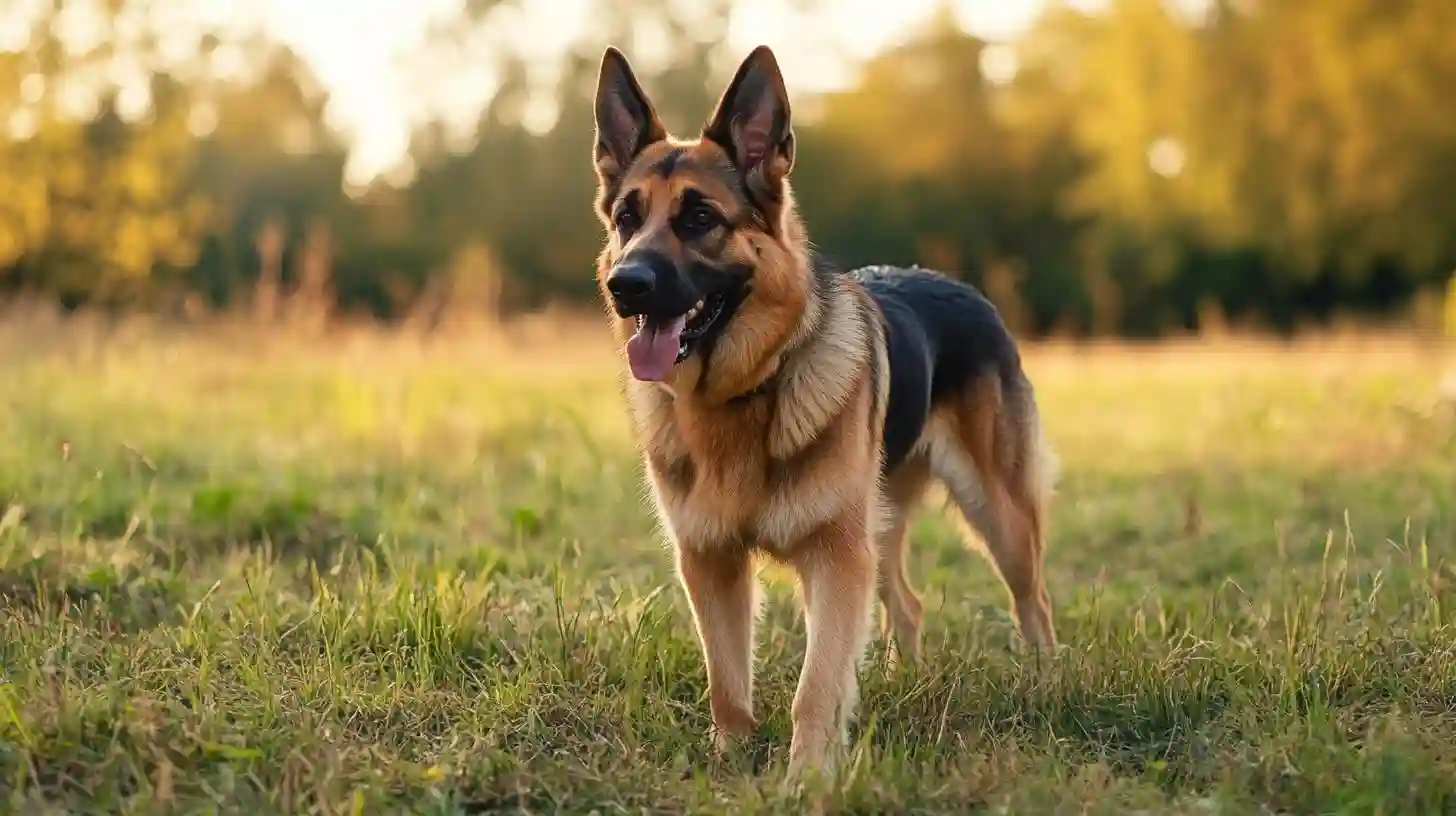
Training your dog in basic commands is essential for building a strong bond and ensuring their well-being. By teaching your furry friend simple commands such as sit, stay, come, and heel, you lay the groundwork for excellent behavior and obedience. Employing effective training techniques will make the learning process more enjoyable for both you and your dog.
The first step in training your dog is to establish a calm and positive environment. Dogs are remarkably good at picking up on their owner's emotions, so feeling relaxed and confident will help your dog feel secure and ready to learn. Choose a distraction-free area for training sessions, whether it be indoors or in a quiet outdoor space. This location should be familiar to your dog, which helps them feel comfortable and lowers the chances of them getting sidetracked during training.
Using high-value treats as rewards is one of the most effective ways to encourage your dog to follow your commands. Your dog's favorite treats could be small pieces of cooked chicken, cheese, or special dog treats they don't usually get. The key is to find something that motivates them to learn. Always keep the reward small, as larger treats can make your dog more focused on eating than learning. The timing of the reward is also crucial; rewarding your dog immediately after they perform the desired action helps them make the connection between the command and the behavior you want.
Consistency is vital in dog training. Be sure to use the same words and body language for each command so that your dog associates both consistently with specific actions. For example, if you teach "sit," always use the same tone and phrase. Consistency extends to all family members, as everyone should use the same commands and methods to avoid confusing your dog. Additionally, ensure that the command is applied in similar contexts so that your dog learns faster and more effectively.
When your dog successfully follows a command, it’s important to respond with positive reinforcement immediately. Praise your dog enthusiastically when they do something right, as positive feedback will encourage them to repeat that behavior. Tone plays a significant role in conveying your approval. A cheerful and upbeat voice will signal joy and encourage your dog to keep trying. You can also incorporate petting or playtime as an additional reward after your dog has successfully completed a command.
Keep your training sessions short, enjoyable, and manageable. Dogs, especially puppies, have short attention spans. Aim for sessions that last around ten to fifteen minutes and incorporate a few different commands. Frequent short sessions throughout the day are often more effective than a long session at once. Ending on a positive note helps maintain your dog’s enthusiasm for training. If at any point your dog seems disengaged or frustrated, it’s best to take a break and try again later.
Patience is critical in dog training. Recognize that every dog learns at their own pace. Some may grasp commands quickly, while others may need additional time and repetition to understand what is expected of them. If your dog isn’t catching on to a particular command, consider breaking the command down further into smaller steps. For example, if you’re teaching "stay," you may want to start by having your dog simply remain in place for just a couple of seconds, gradually increasing the duration as they become more comfortable with the command.
Distraction training is also a valuable technique. Once your dog can consistently follow commands at home, start practicing in more challenging environments. Introduce distractions gradually, such as other people or pets. This helps your dog learn to focus on your commands irrespective of what else is happening around them. Make sure to reward them when they succeed despite distractions to reinforce the behavior.
Socialization plays a crucial role in a dog’s overall development. Expose your dog to different environments, sounds, and other animals to ensure they grow into a well-rounded adult. Incorporating socialization into your training can also help reinforce commands. For instance, practicing commands during walks exposes your dog to various stimuli, reinforcing their ability to respond positively even amidst distractions.
Regularly revisit and reinforce commands your dog has already learned. Just like people, dogs may forget things if they are not regularly practiced. Consistent training helps keep their skills sharp and reminds them of the expectations you have. Using commands in daily activities, such as asking your dog to sit before meals or stay while you open the door, integrates training into their everyday life, making them more reliable.
Remember that the journey of training your dog should be enjoyable for both of you, filled with laughter, engagement, and mutual respect. By creating positive experiences throughout the training process, you will cultivate a loving and trusting relationship with your dog. A well-trained dog not only adapts better to family life but is also happier and more secure in their environment. With commitment, patience, and the right approach, the results will be rewarding for both you and your canine companion.