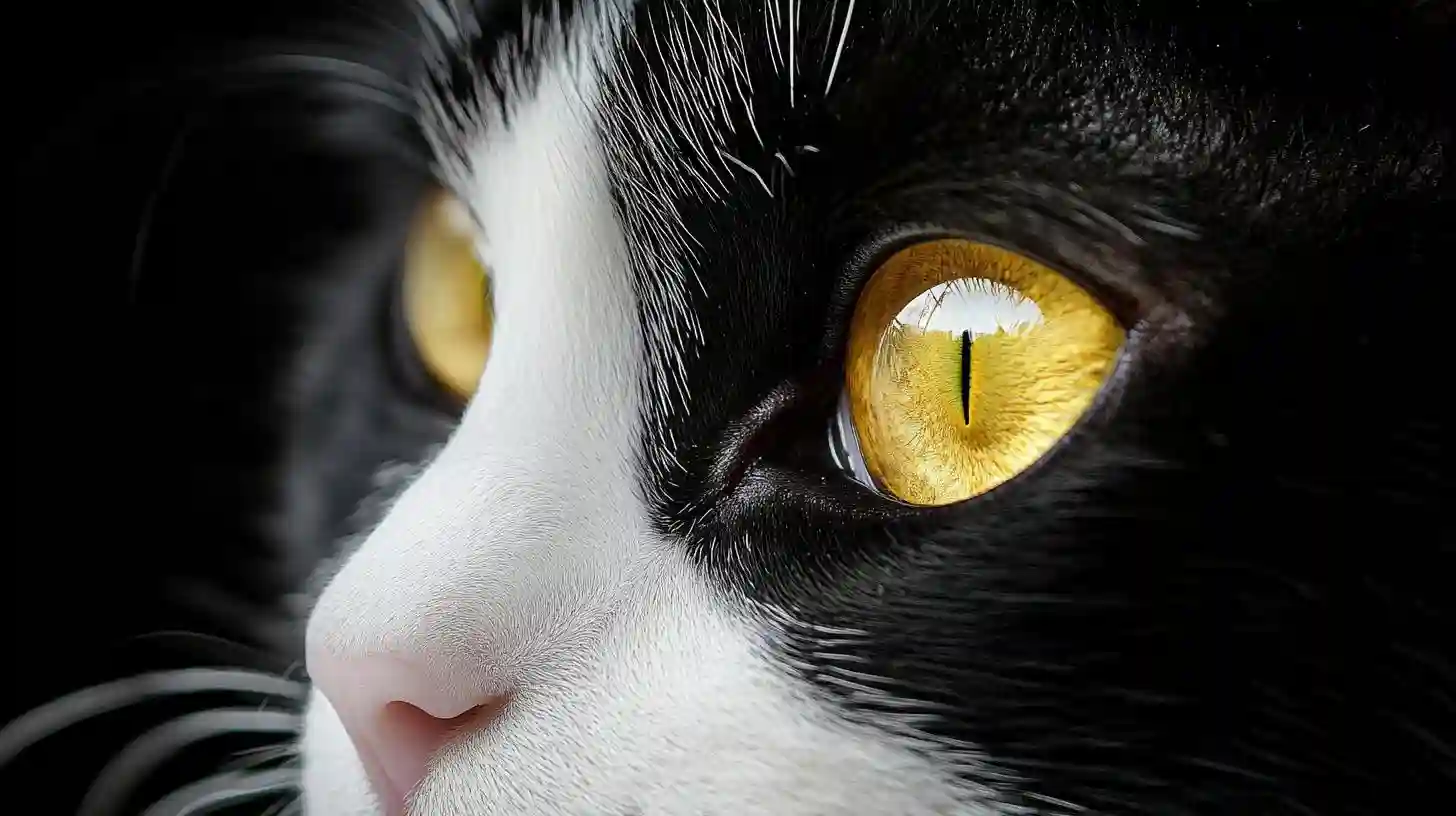
Understanding what keeps your feline friend happy is essential for any cat owner who wishes to foster a healthy and content environment. Cats, often perceived as solitary creatures, actually thrive on their social interactions, activities, and environmental enrichment. Experts suggest that recognizing and catering to your cat's unique preferences can significantly enhance their emotional wellbeing.
One of the primary factors that influence a cat’s happiness is effective social interaction. While some cats are more independent than others, they all desire companionship in different forms. Engaging with your cat through playtime can be immensely gratifying. Experts recommend toys that mimic prey in action, such as feather wands or laser pointers, which initiate their natural hunting instincts. Regularly scheduled play sessions not only stimulate their physical health but also strengthen the bond between cat and owner, leading to a happier pet.
Moreover, an environment that promotes exploration tends to keep cats mentally stimulated. Cats are naturally curious creatures, often exploring new spaces in their surroundings. Creating an enriched living space with shelves, cat trees, and hidden spots can provide your feline friend the opportunity to climb, hide, and leap, offering them a form of exercise and mental engagement. Experts emphasize the importance of vertical space, as many cats enjoy displaying their prowess by climbing to high perches where they can survey their territory uninterrupted.
In addition to environmental enrichment, the presence of other cats or pets can also impact a cat's happiness. While some cats prefer solitude, others thrive in multi-pet households. Observing your cat’s social behavior is key. If they show signs of increased curiosity or playfulness when encountering other animals, introducing a companion might enhance their wellbeing. However, it is crucial to carefully monitor the introduction process to ensure both animals feel secure and not threatened.
Another essential aspect that contributes to feline happiness is routine. Cats are creatures of habit, and a predictable schedule fosters a sense of security. Feeding, play, and litter box cleaning at consistent times can help establish a comfortable rhythm within the household. Experts often note that sudden changes in schedule can induce stress in cats, so gradual transitions are advisable when altering any routine. Additionally, providing a quiet, safe space in the home where your cat can retreat when feeling overwhelmed is also beneficial.
The dietary preferences of your cat should not be overlooked. A balanced diet tailored to your cat's age, health, and activity level is critical. Cats are obligate carnivores, meaning they require a protein-rich diet primarily composed of meat. Consulting with a veterinarian can help determine the best feeding regimen tailored to your pet's needs. Factors such as food texture and flavor also play a significant role in their preferences. Many cats can be quite discerning, so experimenting with different types of food can ultimately lead to a more satisfied and happy cat.
Grooming practices also affect feline happiness. Many cats benefit from regular brushing, which not only helps reduce shedding but also promotes bonding with their owner. Some cats find the act of grooming soothing; it mimics the grooming behavior they would receive from their mothers or feline companions in a natural setting. However, it is essential to respect individual preferences, as not all cats enjoy being brushed, so gentle introductions and positive reinforcement can encourage them to accept grooming over time.
Finally, mental stimulation through puzzle feeders or interactive toys can help keep your cat engaged. These tools challenge their problem-solving skills and help combat boredom. Cats that are mentally stimulated tend to exhibit fewer behavioral problems, reducing the likelihood of stress and unhappiness.
Recognizing the signs of a happy cat—such as playful behavior, purring, and relaxed body language—can affirm that your efforts are paying off. Conversely, if you notice behaviors such as excessive hiding, changes in appetite, or aggression, it may be time to reassess your cat’s environment and interactions. Observing these cues enables you to better understand your cat's needs, ensuring they are receiving the care and attention they require to thrive.
Creating an environment tailored to your cat’s individual preferences is a journey that requires patience and observation. By regularly engaging with your feline friend, providing enrichment, and ensuring their physical and emotional needs are met, you open the door to a harmonious and joyful relationship.