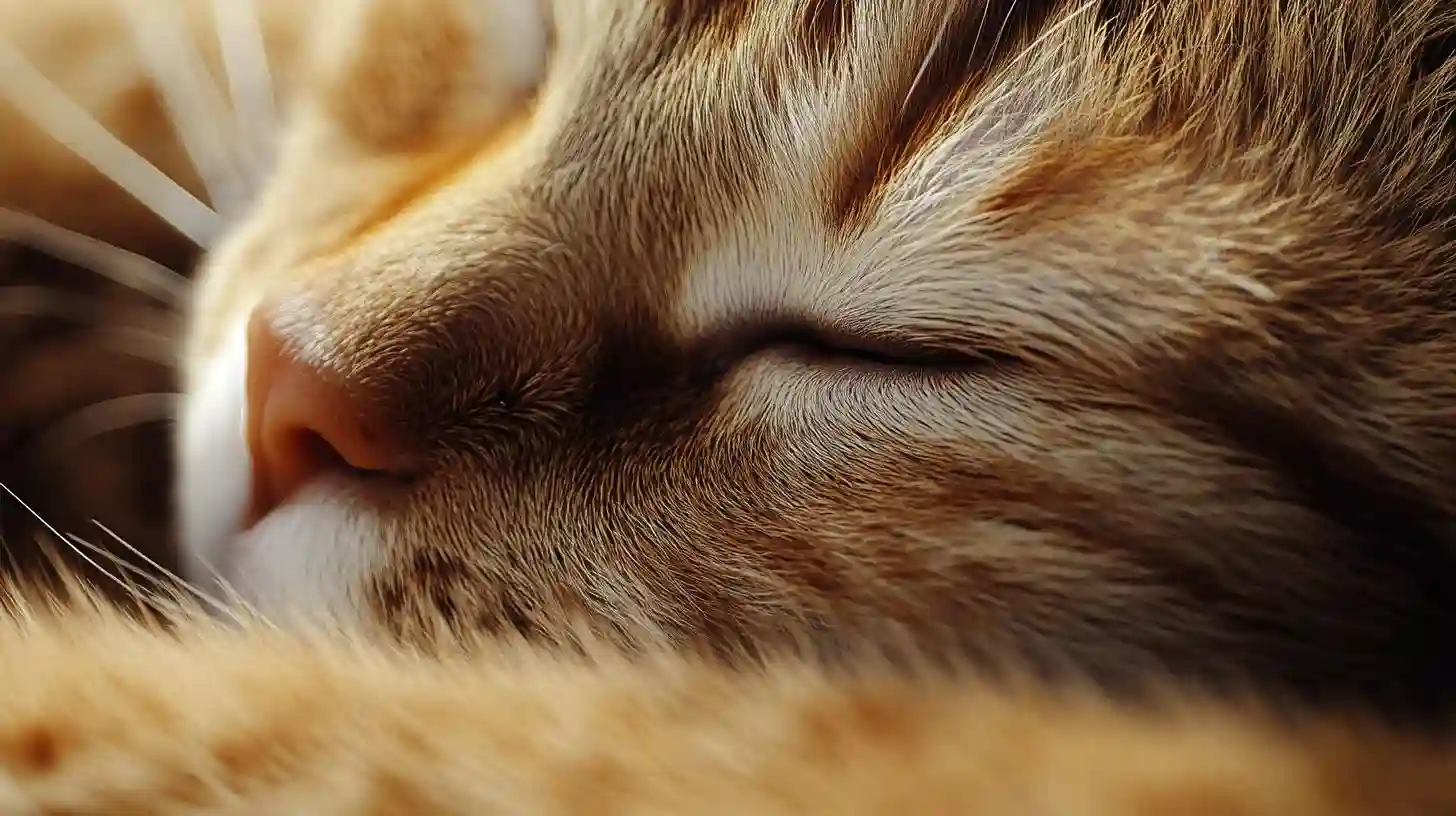
The thick fur of your furry companion serves multiple purposes that are vital for their well-being and functionality. Understanding the reasons behind the development of this luxurious coat can help you appreciate your pet's unique traits and the essentials of their care.
One of the primary reasons for a thick fur coat is insulation. Animals in colder climates have evolved to possess thick fur that traps air close to the skin, creating a barrier against the cold. This layer of air acts as an insulator, allowing them to maintain their body temperature in frigid conditions. For pets like dogs and cats, this insulating factor is crucial when they are exposed to cold weather. It enables them to explore the outdoors during winter months without suffering from hypothermia or frostbite.
Additionally, thick fur also plays a key role in protecting your pet from environmental hazards. Just as a thick coat can guard against extreme temperatures, it can also shield against injuries from branches, thorns, and rough terrain that they might encounter while playing or exploring. The outer layer of fur can act as a mechanical barrier, preventing cuts and scrapes on the skin. This protective feature is particularly important for animals that are active outdoors or belong to breeds that tend to roam and explore their surroundings.
Moreover, thick fur can provide a protective layer against parasites and insects. In the wild, animals with dense coats are less susceptible to bites from insects like fleas and ticks. While it's important to maintain regular treatments to combat these pests, a healthy fur coat can offer an initial layer of defense. This is especially beneficial for pets that spend considerable time outdoors, where such infestations are more likely to occur.
Another significant reason for a thick fur coat is the relationship with sun exposure. Just as humans need protection from harmful UV rays, pets rely on their fur for similar protection. Dense fur can block out some of the sun's rays, reducing the risk of sunburn and skin damage, particularly in breeds with lighter skin or shorter fur. This is why you may notice certain breeds, like those that are predominantly white or light-colored, are more prone to sunburn, as they have less fur protection. The thickness and color of their coat can provide varying degrees of coverage against the sun's harsh radiation.
The texture and thickness of a pet's fur also play a role in their overall temperament and behavior. A thicker coat can contribute to a sensation of comfort and security. For many animals, their fur serves as a source of warmth and reassurance, much like a child’s favorite blanket. When animals snuggle into their own fur or burrow into it, they experience a natural soothing effect. This can be particularly significant for anxious pets who may benefit from the reassuring nature of their own fur during stressful situations.
Grooming is another critical aspect connected to the thickness of a pet's fur. Regular brushing helps remove dead hair and dirt, promoting a healthier coat while fostering a bond between the pet and their owner. In some cases, thicker fur may become matted or tangled without regular care, leading to skin issues if left untreated. Thus, understanding your pet’s grooming needs is a vital part of taking care of their thick fur. Regular grooming not only keeps their coat looking its best but also allows for intimate moments that enhance the human-animal bond.
Generally, while thick fur is an impressive physical trait, it also requires responsible pet ownership. Monitoring your pet’s temperature is crucial, as some may overheat indoors, especially during warmer months. Although fur provides insulation in cold weather, it can be a hindrance during heat waves. Ensuring they have access to shade, cool spaces, and plenty of water is essential to their health.
Understanding the complexities of your pet’s thick fur is crucial for any pet owner looking to provide the best care possible. This thick coat is not just a cosmetic feature; it is a multifunctional aspect of their biology that plays a vital role in their overall health and happiness. By respecting their natural needs and characteristics, you enable your furry friend to thrive in their environment. Paying attention to their fur can result in a happier, healthier companion.