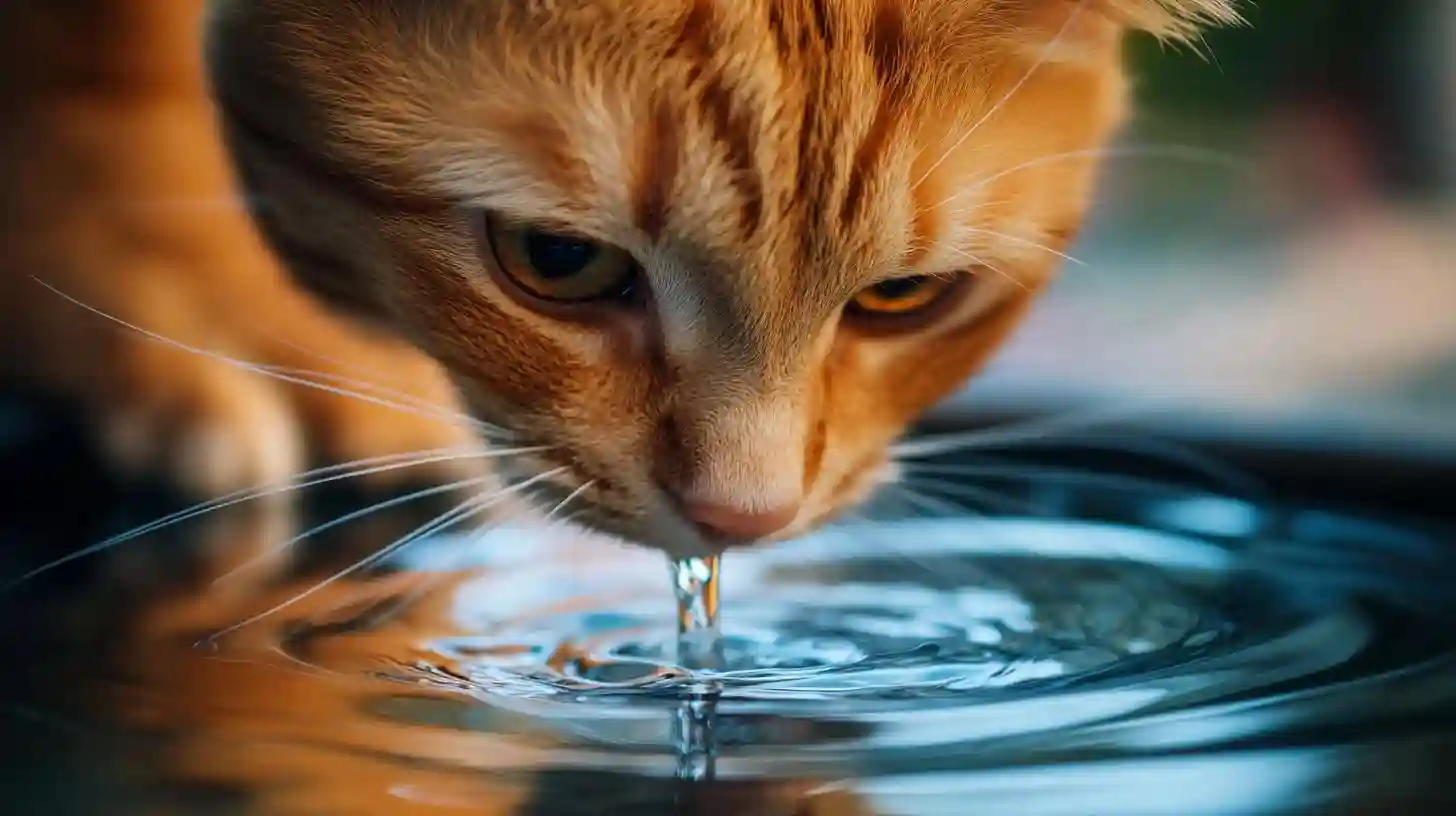
As cat owners, we often find ourselves utterly enraptured by the peculiarities and charms of our feline companions. From their agile movements to their soft purring, cats have a way of captivating our attention. Yet, despite this fascination, there is one essential aspect of their well-being that is often overlooked: hydration. While food and grooming may take center stage in discussions about cat health, water consumption is a fundamental need that deserves just as much attention.
Cats are unique creatures with distinct physiological requirements, and water plays a crucial role in their overall health. Unlike dogs, many cats are not naturally inclined to drink large amounts of water. This can stem from their evolutionary history as desert dwellers, where their ancestors adapted to obtain moisture from the prey they consumed. Consequently, a modern-day cat may be less inclined to seek out water in a bowl, making it imperative for pet owners to be vigilant about their drinking habits.
Inadequate water intake can lead to a host of health issues. One of the most common concerns is the increased risk of urinary tract problems. When cats do not drink enough water, their urine may become concentrated, leading to the formation of crystals or stones in the urinary tract. This can result in painful conditions, including blockages, which may require urgent veterinary intervention. Additionally, dehydration can negatively impact kidney function, potentially leading to chronic kidney disease, a condition that is not uncommon in older cats.
Furthermore, hydration is vital for maintaining a healthy digestive system. Cats that are not adequately hydrated may experience constipation, as water is essential for softening stools. A cat that is constipated may exhibit discomfort or straining during elimination, which can contribute to a frustrating cycle of health problems. Regular water intake can help prevent these issues and promote optimal gastrointestinal function.
Understanding a cat's water needs can be challenging, especially considering factors such as age, diet, and activity level. Kittens and younger cats tend to be more active and may drink more water than their elderly counterparts. Additionally, cats that consume dry kibble are likely to require more water than those that enjoy wet food, which typically contains higher moisture content. Providing a balanced diet that meets a cat’s nutritional demands is essential, but it should be complemented by ensuring access to fresh water at all times.
To encourage proper hydration, pet owners can employ various strategies. One effective method is to provide multiple water sources around the house. Some cats are particularly particular about their drinking spots, and having several bowls may help prompt them to drink more frequently. Experimenting with different types of water dishes can also prove fruitful; some cats prefer shallow bowls, while others may be drawn to larger containers or even pet water fountains that keep the water circulating for added appeal.
Moreover, the temperature of the water can play a role in a cat’s willingness to drink. Many cats are enticed by cool, fresh water, and routinely refreshing their bowls can make it more enticing. While some might be inclined to offer their cats ice cubes or chilled water during warmer months, being mindful about the temperature can also encourage hydration during hotter seasons.
Incorporating moisture into a cat's diet can also aid in hydration. Feeding wet food or adding water to dry kibble can increase overall fluid intake. For cats that are resistant to drinking water, this can be a valuable solution, promoting hydration through meals. Additionally, treats such as broths made specifically for cats can provide both hydration and enjoyment, making it a delightful option.
Behavioral signs that indicate a cat may not be drinking enough water can sometimes be subtle. Monitoring their litter box habits and noting changes in urine frequency and quantity can provide insight into their hydration status. Owners should also be cautious of other signs of dehydration, such as lethargy, dry gums, or skin elasticity.
Ultimately, fostering a healthier drinking habit in cats is a shared responsibility between the pet and the owner. Recognizing the importance of hydration is the first step; following it with proactive measures can significantly enhance your cat’s quality of life. Establishing a routine that emphasizes regular access to clean, fresh water and responding to the specific needs of your feline friend is a commitment to their well-being. By paying closer attention to this essential yet often overlooked aspect of feline health, we can ensure our beloved companions lead happier, healthier lives.