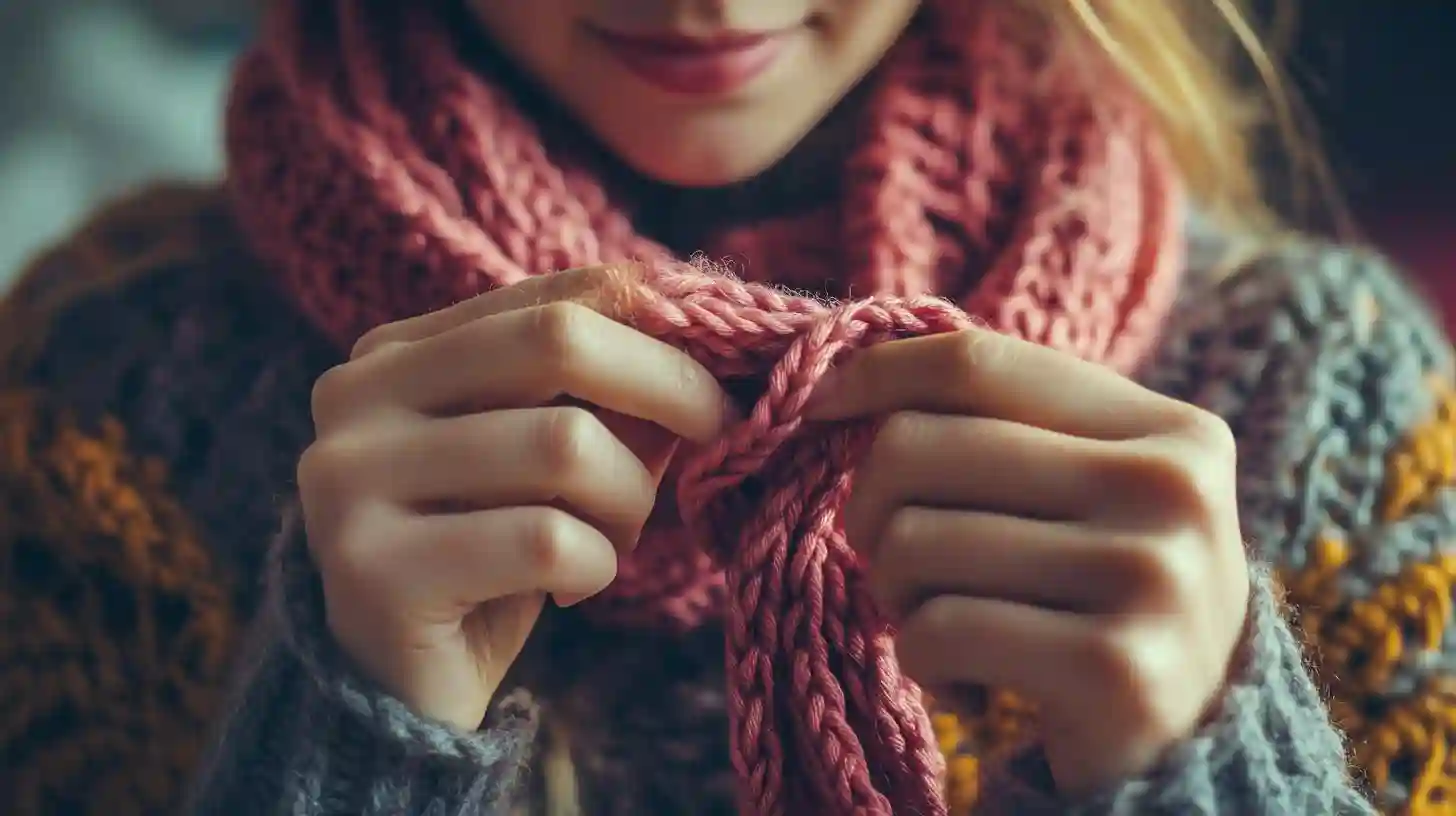
Knitting is a delightful craft that has been cherished for centuries. For many, it serves as a calming pastime that invites creativity and offers a sense of accomplishment as tangible projects come to life. One of the most accessible and enjoyable projects for beginners is knitting a scarf. This endeavor not only introduces the fundamental techniques of knitting but also results in a lovely accessory that can be gifted or worn proudly.
Before embarking on this adventure, it's essential to gather your materials. A pair of knitting needles, typically in sizes eight or nine, will do perfectly for your first project. The choice of yarn is equally crucial; opt for a medium-weight yarn made from soft fibers that make each stitch a pleasure. Natural fibers like wool or cotton can work well, offering warmth and comfort. Additionally, select a color that speaks to you, whether it's a serene blue or a vibrant red; this personal touch can enhance your experience and keep you motivated.
Once you have your supplies ready, it’s time to learn the basic techniques. Begin with the slip knot, which serves as the foundation for your knitting. Make a loop with your yarn, pass the tail through the loop, and tighten it around one of the needles. This simple knot is the first step towards casting on your stitches. To cast on, hold the knitting needle with the slip knot in your left hand and use your right hand to create new loops. Various methods exist for casting on, such as the long-tail method or the simple knit cast-on. Whichever technique you choose, practice will make this step second nature.
Now that you’ve cast on your stitches, you’re ready to start knitting. The most basic stitch in knitting is the knit stitch. To perform this, insert the right needle through the first stitch on the left needle from front to back, wrap the yarn around the right needle, and pull it through to create a new loop. Slide the old stitch off the left needle, and repeat this process across the row. As you complete each row, you'll notice the beautiful fabric beginning to emerge. Don't be discouraged if you drop a stitch or make a mistake; mistakes are a natural part of the learning process and can often be fixed.
As you continue to knit, practice maintaining an even tension in your stitches. This means that each stitch should feel similar in size and tightness, creating a uniform appearance in your scarf. With time and patience, you'll find your rhythm, and the repetitive motion can be quite meditative. Many knitters find themselves getting lost in the flow, allowing their minds to wander and relax as they create.
After knitting several rows, you may wish to explore different stitches to add texture and interest to your scarf. The purl stitch, for instance, is a perfect complement to the knit stitch and can easily be incorporated into your design. Alternating between knit and purl stitches creates a beautiful ribbed pattern, providing depth and character. Experimenting with various stitch techniques not only enhances your project but also builds your skill set as you gain confidence.
As your scarf begins to take shape and the fabric grows in length, be sure to measure it periodically against your desired length. The beauty of this project is that you can make it as long or short as you wish, based on your personal preferences. When you feel satisfied with the size of your scarf, it’s time to bind off. Binding off is the final step in completing your project, securing your stitches so they don’t unravel. This process involves knitting the first two stitches, pulling the first stitch over the second, and continuing this method across the row until only one stitch remains. Cut the yarn after the last stitch and pull it through to secure it.
Once your scarf is complete, you’ll find immense joy in wearing or gifting your handmade creation. Each stitch tells a story, showcasing the time and effort you invested in mastering the craft. Knitting not only provides a creative outlet but also fosters a sense of community among fellow enthusiasts. Many find joy in joining local knitting groups or connecting with friends who share this passion.
In a world filled with fast-paced technology and instant gratification, knitting offers a refreshing way to slow down and appreciate the simple act of creating. With your first scarf completed, you may feel inspired to explore other projects, such as hats, blankets, or even intricate patterns. Embrace the learning journey; every stitch is a step toward becoming a more accomplished knitter. Whether you choose to keep your finished scarf for yourself or share it with someone special, this project marks the beginning of a fulfilling and lifelong love for knitting.