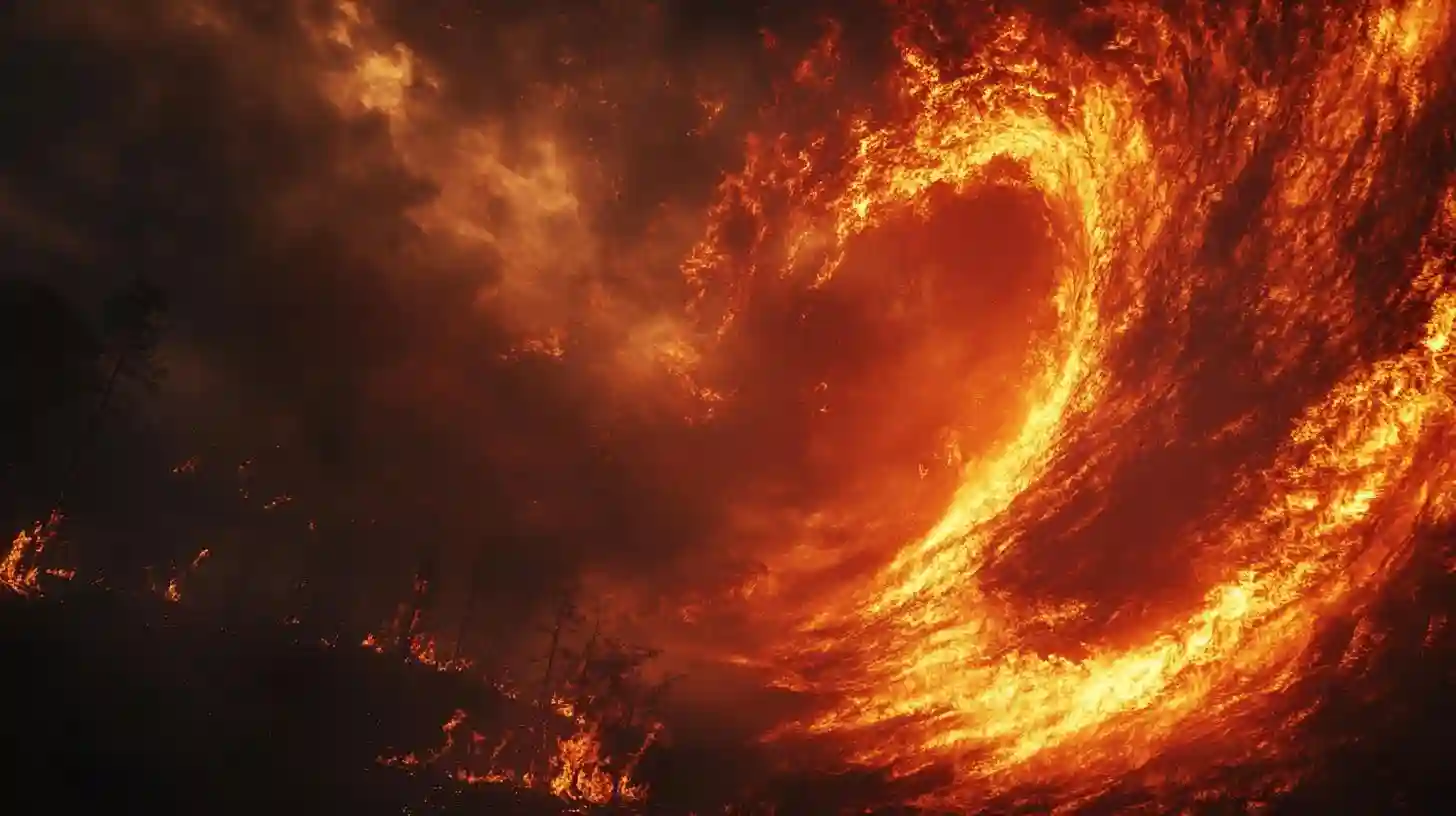
Fire whirls, also known as fire tornadoes, are mesmerizing yet terrifying phenomena that can form under the right conditions during wildfires. Many people may find it difficult to fathom the beauty and destruction that can occur simultaneously during these events. A fire whirl is created when intense heat from a wildfire causes rising hot air, which can develop into a rotating column of fire. This phenomenon can resemble a tornado, but instead of containing rain and debris, it consists of flames, smoke, and embers swirling dramatically in the air.
The formation of fire whirls requires specific meteorological and environmental conditions. Wildfires release vast amounts of heat into the atmosphere, and when this heat interacts with wind currents, it can create instability in the nearby air. As the air heats up and begins to rise, it can draw in cooler air from its surroundings. If the conditions are conducive, this inflow of air can cause the rising column of hot air to start rotating. The rotation imparts a spinning motion to the flames, resulting in a breathtaking yet dangerous spectacle.
Fire whirls can vary in size, speed, and intensity. Some may be relatively small and harmless, while others can grow to be incredibly powerful, achieving heights that rival those of actual tornadoes. The most extreme fire whirls can produce winds that reach hurricane-like speeds, capable of uprooting trees, damaging structures, and carrying embers over significant distances. This aspect makes them particularly concerning during wildfire events, as they can easily spread the fire to unburned areas, complicating firefighting efforts and jeopardizing surrounding communities.
Despite their destructive capabilities, fire whirls can also be a source of wonder for those fortunate enough to witness them from a safe distance. The ethereal sight of flames twisting and spiraling into the sky, illuminated by the glow of the fire, is hauntingly beautiful. Ecologists and scientists are intrigued by these phenomena, as they showcase the intersection of fire behavior, meteorology, and atmospheric dynamics. Understanding the formation and behavior of fire whirls can be crucial in developing better predictive models for wildfires and improving safety measures for affected populations.
Fire whirls often emerge in wildfires characterized by intense heat and dry conditions, which are increasingly prevalent due to climate change. The frequency and intensity of wildfires are rising, leading to a greater likelihood of these captivating yet dangerous cyclones forming. As wildfires become more widespread, so does the need for timely and accurate information on fire behavior patterns, including the potential for fire whirls. Researchers are exploring various advanced technologies, such as remote sensing and computational modeling, to better predict when and where fire whirls may develop.
In addition to posing direct risks to human life and property, fire whirls can also have broader ecological impacts. They can alter landscapes by creating new fire scars, affecting plant and animal communities, and shifting the dynamics of local ecosystems. For instance, the intense heat from a fire whirl can even create conditions for pyrogenic succession, where certain species may thrive in the aftermath of fire, while others may struggle to recover. Despite the destruction that precedes them, fire whirls can contribute to the renewal of certain ecological processes in the long term.
The interplay of fire and air, fuel and heat, creates the conditions for the formation of fire whirls. Their beauty is a stark reminder of the raw power of nature, capable of both nurturing and destroying life. Firefighters contend with the unpredictability of these phenomena, often having to adapt their strategies on the fly. The challenges they face in combating wildfires are compounded by the unpredictable behavior of fire whirls that can change the dynamics of a blaze in seconds, escalating an already dangerous situation.
In many ways, fire whirls symbolize the duality of fire: a force of destruction that can also cleanse and regenerate. In understanding their behavior, we can learn to coexist with fire rather than fear it, recognizing that it plays an essential role in many ecosystems. As our world warms and wildfires become a more frequent occurrence, the importance of studying these captivating phenomena will only grow, as we seek to navigate the challenges they present while appreciating the astonishing beauty of nature’s fire spirals.