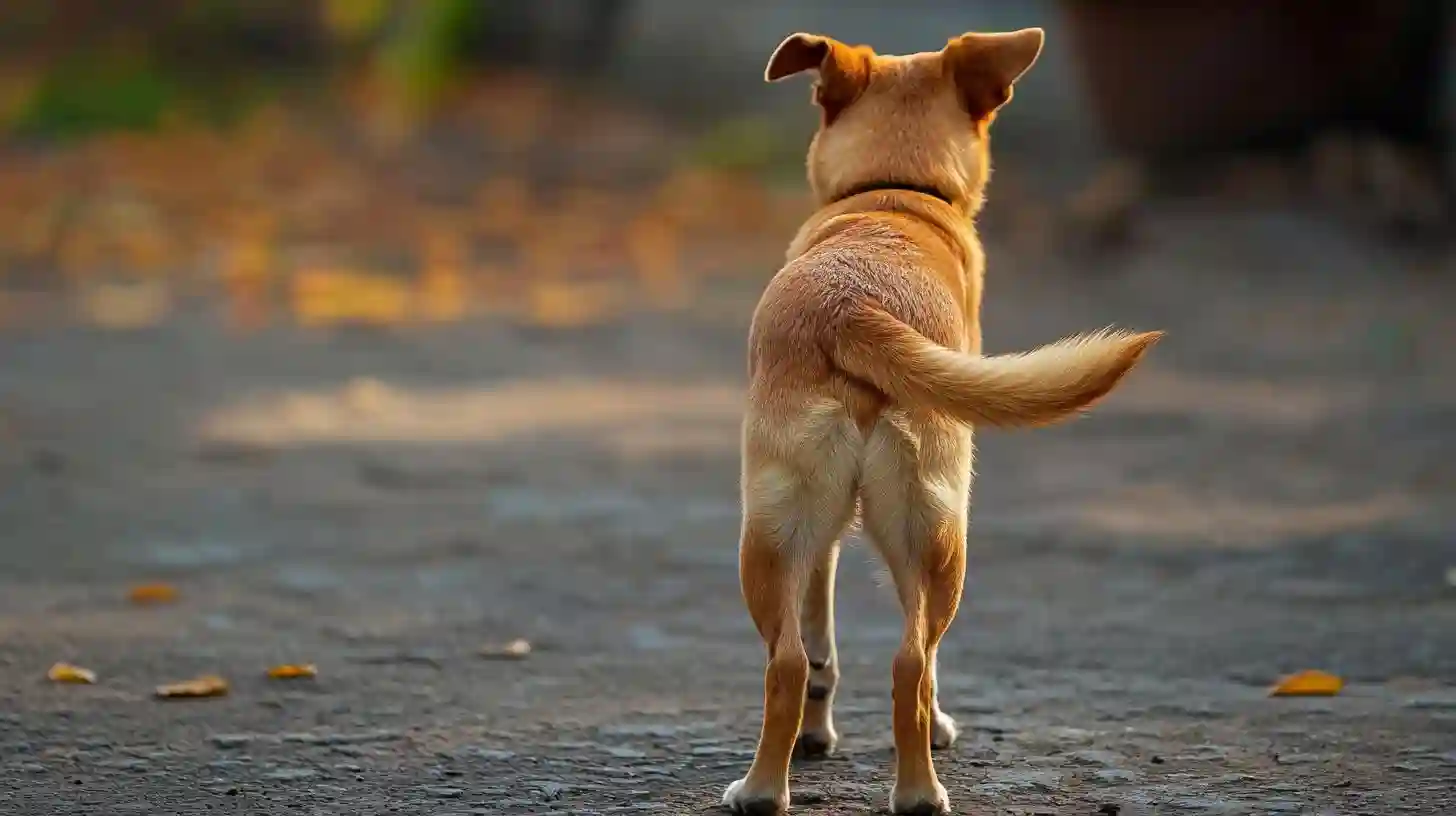
Tail wagging is one of the most recognizable and endearing behaviors exhibited by dogs. This simple movement often evokes smiles and warmth, reflecting the strong bond between humans and their canine companions. However, while it may appear to be just a display of happiness, tail wagging is a complex behavior that conveys a variety of emotions and intentions. Understanding the nuances of this behavior requires delving into the context, speed, and direction of the wag, alongside other accompanying body language.
A joyful wagging tail is often associated with a happy dog. When a dog greets you with a rapidly wagging tail, it is typically an expression of excitement and affection. The tail may move in a wide arc or vibrate at high speed. This enthusiastic shaking is often accompanied by other signs of joy, such as jumping, barking, or a play bow, where the dog lowers its front legs while keeping its back end elevated. This combination clearly communicates the dog’s eagerness to engage, whether through play or by enjoying your company.
However, not all tail wags signal friendliness or happiness. The position of the tail provides vital context for understanding the dog's emotional state. For example, when a dog holds its tail high and wags it energetically, it often signifies confidence and a positive outlook. Conversely, when a dog tucks its tail between its legs while wagging, it may indicate submission, anxiety, or fear. This tail position suggests that the dog is feeling threatened or unsure, and it reflects an attempt to show deference in a social hierarchy.
The speed of the wagging tail also plays a crucial role in interpreting a dog’s mood. A slow wagging motion might suggest that the dog is relaxed or curious, perhaps assessing the situation before deciding how to respond. This contrasts sharply with the fast, frenetic movement of a tail that often accompanies excitement. A rapid wag can be a signal of overstimulation or eagerness, indicating that the dog is ready to engage fully with the world around it. Understanding the differing speeds can help owners respond appropriately to their pet's emotional needs.
Direction is another important factor when it comes to tail wagging. Research indicates that dogs may wag their tails to the right or left, which is connected to their emotional state. A wagging tail that leans to the right is typically associated with positive feelings and may indicate happiness or excitement. In contrast, a leftward wag can suggest negative emotions, such as fear or uncertainty. This lateralized response offers an interesting glimpse into dog behavior, shedding light on their emotional processing and signaling to other dogs and humans alike.
Social context plays a pivotal role in tail wagging. Dogs are highly social animals that rely on body language to communicate with one another. In multi-dog situations, tail wagging can serve as a crucial social signal. For instance, a dog approaching another dog may wag its tail softly, a gesture that conveys friendliness and non-aggression. Conversely, dogs may also communicate their discomfort or wish to disengage by varying their tail movements and positions, such as lowering their tail while giving a cautious wag.
Interestingly, tail wagging is not limited to just dogs, as many animals use movements of their tails or similar appendages to communicate emotions. However, the myriad meanings attached to tail wagging in dogs illustrate not just their emotional states but also their sophisticated social abilities. Understanding this communication method will not only enhance your relationship with your own dog but will also promote better interactions with unfamiliar dogs.
Owners can better comprehend their furry friends if they take the time to observe the context in which tail wagging occurs. Understanding the circumstances surrounding this behavior allows for more sensitive interpretations of what a dog might be feeling. For instance, a dog wagging its tail while showing signs of aggression, such as growling or baring teeth, could be experiencing conflicted feelings—excitement mixed with fear or anxiety. This highlights the importance of considering the entire body language package, rather than focusing solely on the tail.
Dog enthusiasts often find joy in the various ways their pets express themselves, and tail wagging is just one of many behaviors that signify communication and emotion. It is a testament to the ways dogs have developed as companions to humans—an instinctual gesture that encapsulates joy, excitement, curiosity, or even submission. Each wag serves as a reminder of the emotional depth and social complexity inherent in dogs and reinforces the love and bond shared between humans and their four-legged friends. Understanding these nuances paves the way for more meaningful interactions, enhancing the lives of both dogs and their owners.