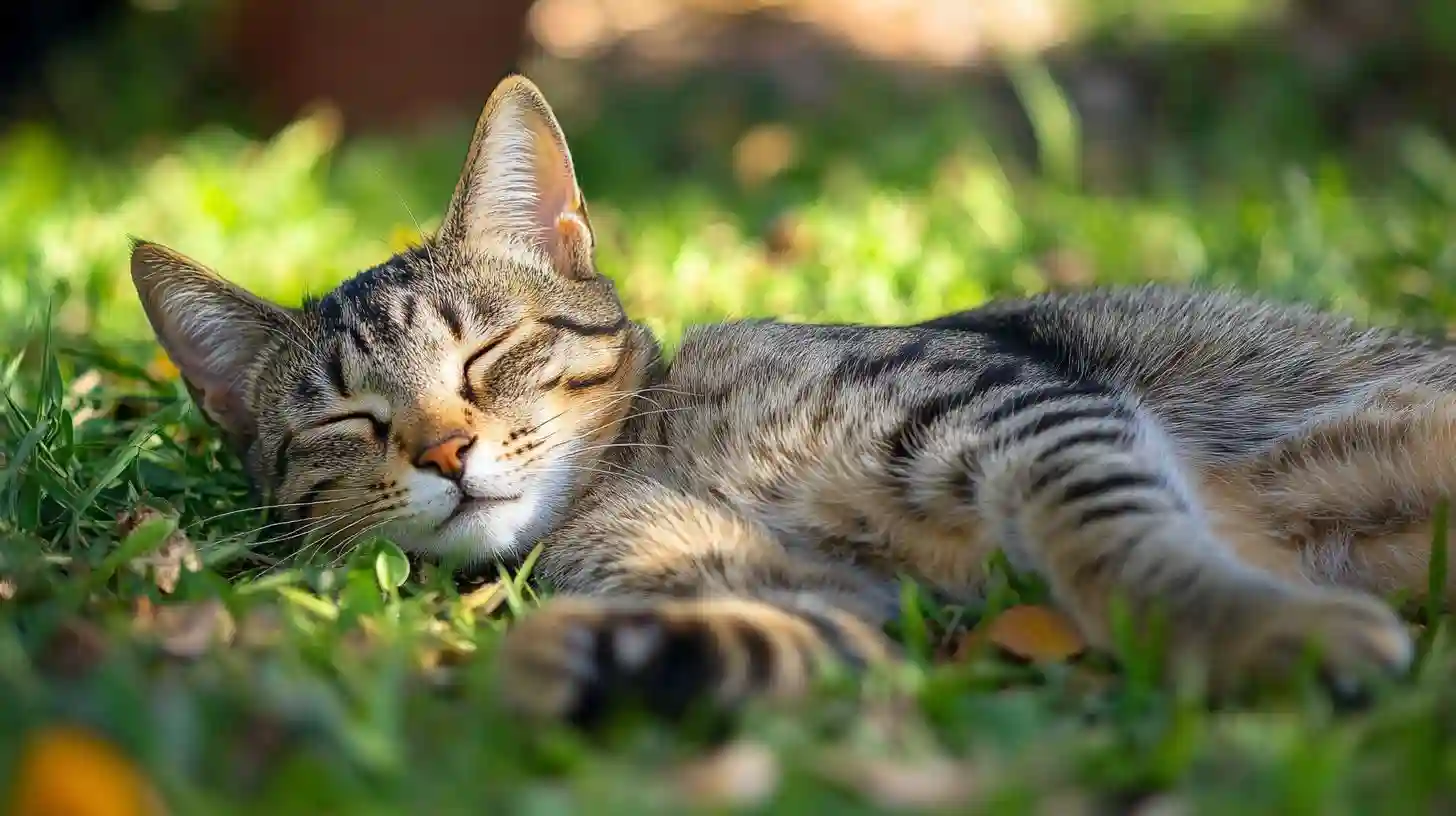
Cats have a unique communication style that can often leave their human companions puzzled. Among their many vocalizations, purring stands out as one of the most intriguing. The soothing sound can convey a variety of emotions and intentions, making it a subject of fascination for cat lovers and researchers alike. While purring is often associated with contentment, its true significance goes far beyond mere pleasure.
One of the most common and recognized reasons cats purr is when they are feeling relaxed and comfortable. Cats will often purr when they are being petted, curled up next to their owners, or enjoying a sunny spot. This kind of purring is a comforting sound, not just for the cat but also for the people around it. The gentle rhythm resonates with a sense of peace, creating a warm atmosphere that both the cat and its human can appreciate. This behavior may stem from the early days of a kitten's life when purring serves as a form of communication between the mother cat and her young. The vibrations can reassure kittens that they are safe and secure, fostering a strong bond between them and their mother.
However, purring is not solely a sign of happiness. Cats may also purr when they are in pain, anxious, or frightened. This paradoxical behavior suggests that purring can serve as a coping mechanism during stressful situations. For instance, a cat that has recently been injured or is feeling unwell might purr to self-soothe. This phenomenon has been supported by studies indicating that the frequency of a cat's purr can promote healing. Frequencies between twenty-five to a hundred hertz, which are typical in a cat's purr, have been shown to enhance tissue regeneration and reduce pain. Thus, purring can take on a therapeutic role, both for the cat and potentially for other animals and humans nearby.
Social bonding is another fascinating aspect of why cats purr. Cats often purr during interactions with humans, signaling a desire for attention, companionship, or affection. When a cat approaches its owner, rubbing against their legs while simultaneously purring, it is expressing a need for connection. Similarly, when cats come together, they may purr as a way of establishing social ties or reinforcing alliances. This behavior is particularly evident when cats meet each other or when a cat feels secure in its social environment. The act of purring thus becomes a communal expression, a way to declare peace and kinship among fellow felines.
Furthermore, the nurturing quality of purring has led many people to associate the sound with healing power. Some cat owners have reported that their pets have an uncanny ability to comfort them when they are feeling down. A comforting cat curled up beside someone struggling with sadness or stress can create a space of emotional support. The rhythmic sound of purring can help reduce anxiety levels, making the environment feel more secure and loving. For many, the act of a cat purring becomes not only a personal comfort but also a source of emotional healing, reminding us of the deep connections we share with our pets.
The enigmatic ability of cats to purr has led to numerous theories about its evolutionary significance. Some researchers suggest that purring may have developed as a way for cats to signal their wellbeing to larger predators or other potential threats. Through the gentle vibrations and sounds, cats could communicate their non-aggressive nature, signaling to others that they are not a threat. This adaptation would allow them to coexist more peacefully in shared environments, reducing instances of conflict and establishing trust.
The world of feline communication is undoubtedly rich and complex. Purring serves multiple roles, from soothing anxiety to enhancing social bonds and even promoting healing. The sound itself may be a reflection of a cat's emotional state or a way of interacting with its environment and its human companions. As we delve deeper into the behavior and psychology of our feline friends, it becomes increasingly clear that purring is an essential part of their lives. It represents a form of communication that transcends mere vocalization, connecting us with our cats on an intimate level. Understanding the nuances of why cats purr not only enriches our relationship with them but also enhances our appreciation for the mysteries of animal behavior and communication.