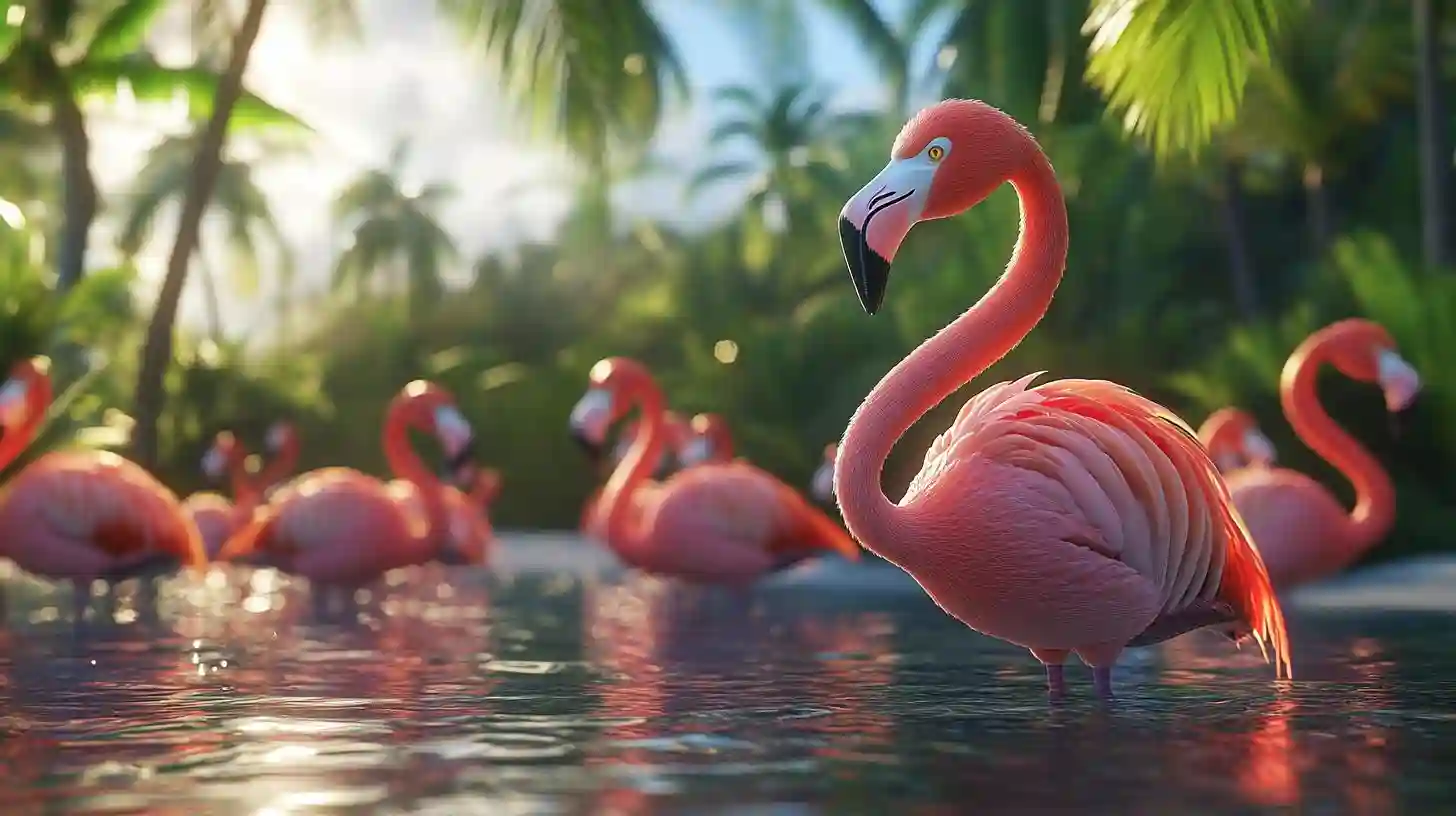
In the realm of lawn ornaments, few figures can claim the fame that the flamingo has. These iconic pink birds, particularly associated with kitsch and whimsy, have captured the imagination of homeowners and garden enthusiasts alike. While real flamingos are renowned for their stunning plumage and unique social structures, an astonishing reality has come to light—there are more plastic flamingos in the world than there are living ones. This surprising fact leads to a deeper exploration of cultural trends, consumerism, and the strange juxtaposition of nature and artificiality.
Real flamingos, known for their striking pink coloring, are primarily found in warm regions around the globe. Typically, they inhabit areas with shallow waters where they can forage for food. Their diet mainly consists of algae, crustaceans, and small insects, and this diet plays a significant role in their famous coloration. Interestingly, the pigment bathed in the water and from their diet contributes to their vibrant appearance. However, as enchanting as these birds are, the harsh realities posed by habitat loss, climate change, and human encroachment pose significant threats to their populations.
Conversely, the landscape of the artificial flamingo market appears to be flourishing. Introduced during the mid-twentieth century, the plastic flamingo was designed in the late nineteen fifties by a skilled artisan named Don Featherstone. His creation was intended to provide whimsical decoration for yards and gardens, and it quickly snowballed into a pop-culture phenomenon. The flamboyance of these plastic birds struck a chord with the American public, leading to an explosion in popularity. In commercial gardening centers and home improvement stores, plastic flamingos continue to be an enduring favorite for homeowners looking to inject a bit of personality into their outdoor spaces.
The rise of the plastic flamingo can be attributed, in part, to societal trends. The post-war era marked a period of significant change in American lifestyles, with citizens yearning for novelty and leisure in their increasingly suburban lives. As yard décor became a pivotal form of self-expression, the plastic flamingo emerged as the perfect emblem of joy and whimsy. Homeowners gradually began to embrace the idea of kitsch, and thus, the flamingo found its place amid lawn mowers and garden gnomes. This acceptance paved the way for other outlandish lawn ornaments, demonstrating how humor and creativity can sustain cultural phenomena.
Moreover, the popularity of artificial flamingos provides insight into humanity’s complex relationship with nature. On one hand, the plastic variety represents a disconnect, a mockery, or even a satire of the natural world. While the real flamingo thrives in environments that prioritize biodiversity and equilibrium, the plastic alternative exists purely for aesthetic enjoyment, devoid of any ecological significance. This dichotomy reflects a broader trend: humans are often enamored by nature, yet find themselves drawn to the convenience and control that comes with the artificial.
As with many cultural trends, competition for attention plays a crucial role as well. Individuality and creativity drive people to adorn their properties with eye-catching displays. Lawn ornamentation often turns into an informal contest among neighbors, each striving to gain the upper hand in terms of quirky decor. Here, the plastic flamingo functions not just as an ornament, but as a statement piece. What was once seen as tacky has transformed into a form of artistic expression. Towns now celebrate Flamingo Days, design contests, and even parades featuring these plastic treasures, fostering a sense of community and shared enjoyment.
Beyond mere decoration, the flamboyant flamingos in plastic form make a significant statement about consumer culture. The pursuit of quirky home embellishments speaks to a larger desire to craft one’s identity through possessions. The proliferation of mass-produced décor items allows for a certain level of personalization without requiring enormous effort or investment. These artificial flamingos symbolize the paradox of consumerism, where affluence gives power to choose, but suppresses genuine connection to the natural world.
Even the environmental implications of the plastic flamingo raise important discussions. As the numbers of artificial flamingos outnumber real ones, it conjures questions about eco-friendly practices in decorative choices. The production of mass-manufactured items comes at a price—one that includes pollution, waste, and the depletion of natural resources. In contrast, raising awareness about conservation efforts for real flamingos and their habitats can create a nuanced dialogue about ecological stewardship versus the desire for decorative nostalgia.
Interestingly, faux flamingos have also paved the way for an entire niche market focused on similarly styled decor. Beyond classic pink, modern iterations now include neon hues, Polka-dot designs, and even holiday-themed versions. The vibrant aesthetic appeals to diverse demographics, finding a home in various subcultures that embrace eccentricity. Some individuals employ them for avant-garde performances or as part of artistic installations, effectively reshaping their cultural significance entirely. This artistic reinterpretation challenges society to view the plastic flamingo not just as a symbol of kitsch, but as a canvas for creativity.
Beyond the borders of the United States, the idea of the flamingo, whether real or plastic, has seeped into global culture. In diverse countries, the flamingo has evolved into a symbol of vacation happiness, paradise, and leisure—reminders of sun-soaked days in tropical locations. Countries where flamingos are endemic showcase vibrant wildlife tours that elevate these creatures as ecological ambassadors. This duality beckons attention; while artificial flamingos are celebrated as whimsical yard décor, the real birds symbolize untamed beauty and the vital essence of thriving ecosystems worldwide.
As discussions evolve around environmental stewardship, it becomes increasingly relevant to foster a connection to nature through authentic experiences. People are starting to recognize the invaluable importance of preserving real biodiversity, and this can often be fueled by our affection for the fantastical nature of artificial representations. Museums, art installations, and educational programs weave narratives that connect aesthetics with ecology, stirring conversations about sustainable practices. This awakening can encourage people to look beyond the whimsical nature of their plastic companions and inquire about the creatures they are meant to represent.
The fact that fake flamingos outnumber their real counterparts serves as a metaphor for society's complex engagement with nature. The popularity of these plastic birds illustrates both a longing for freedom and uniqueness as well as a growing need for awareness about biodiversity. By embracing creativity and environmental stewardship, individuals can navigate the paradox of enchanting ornamentation while fostering genuine connections with the natural world. Each plastic flamingo stands as a testament to the harmonious dichotomy between creation and conservation, between tradition and modernity.