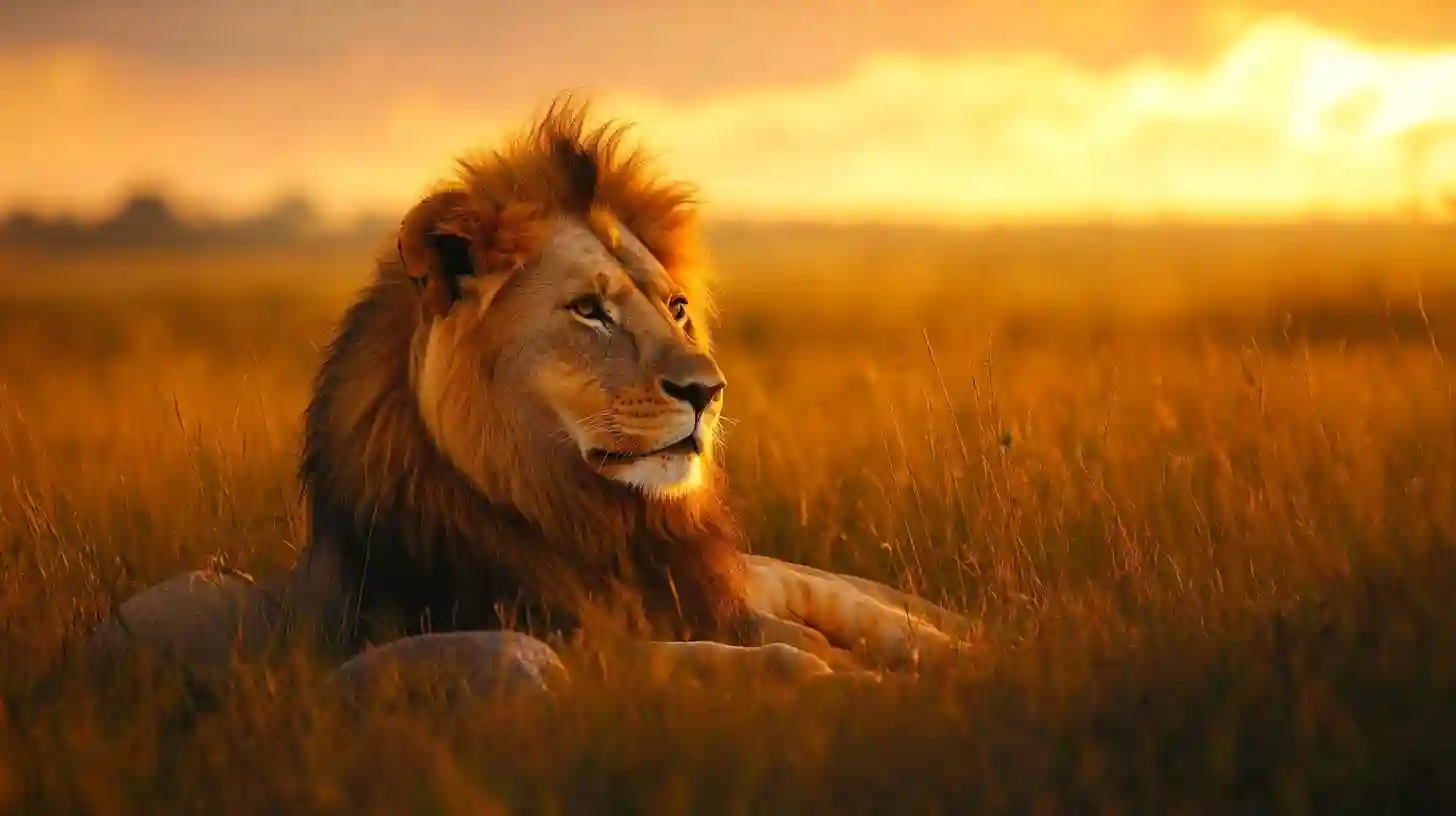
The African savannah is a vast landscape teeming with life, characterized by its unique ecosystems. Among its most iconic inhabitants are the majestic lions and the diverse reptiles that make the enclosures of this distinctive region their home. These two categories of animals, though both integral to the savannah, belong to entirely different kingdoms of life. Lions, as mammals, are warm-blooded creatures that exhibit complex social structures and behaviors, while reptiles, which are cold-blooded and often solitary, represent a lineage that has adapted to a multitude of environmental niches.
Lions are often regarded as the kings of the savannah. They possess powerful builds, social grouping in prides, and a highly developed system of communication. These large felines typically live in family units that consist of several related females, their cubs, and a coalition of males. This social structure allows lions to work collaboratively when hunting, defend their territory, and provide protection to their young. Their diet primarily consists of large herbivores, such as zebras and wildebeests. A successful hunt requires careful planning, stealth, and teamwork, as they often employ ambush tactics to close in on their prey. Their roars echo through the savannah at night, creating a sense of power and dominance over their territory.
Reptiles, on the other hand, inhabit this environment in a variety of forms, showcasing the incredible adaptability that characterizes their group. This disparate class includes snakes, lizards, crocodiles, and tortoises. Each of these species plays a distinct role in their habitat, contributing to the delicate balance of the ecosystem. Some reptiles, like the nimble chameleons, camouflage themselves with their surroundings to avoid predators, while others, like the formidable Nile crocodile, lie in wait to ambush unwary animals that come to the water's edge.
The savannah provides a suitable environment for many reptiles that thrive in the warm climate. Snakes are abundant, often preying on smaller mammals and birds. Some species, such as the black mamba, are highly venomous and can pose a significant threat to both prey and humans. These reptiles depend on the heat of the sun to regulate their body temperature, choosing sunlit areas to bask during the day and retreating to cooler, shaded spots to avoid overheating. Their survival hinges on a combination of hunting skills and exceptional camouflage abilities, making them efficient predators despite their often solitary lifestyle.
While lions and reptiles lead vastly different lives, both face challenges that impact their populations. Habitat loss, driven primarily by human activities, poses a severe threat to both groups. As agricultural practices and urban development encroach upon the savannah, the available land for both lions and reptiles diminishes. Lions require large territories to roam and hunt effectively, making them vulnerable in fragmented habitats where prey becomes scarce. In addition, the increasing human-wildlife conflict leads to unfortunate encounters, resulting in retaliatory killings of lions and other predators.
Reptiles are not immune to these threats either. The destruction of their habitats can lead to declining populations of reptilian species, some of which are already facing precarious situations. Climate change adds another layer of complexity, further altering their environments and disrupting established ecosystems. As temperatures rise or seasonal rain patterns shift, the delicate balance required for various reptile species may become untenable.
Despite these challenges, there is hope for both lions and reptiles on the savannah. Conservation initiatives that promote the protection of natural habitats and educate local communities about preserving wildlife play a vital role in the survival of both groups. Wildlife reserves and national parks that offer protected environments allow lions to thrive while providing safe havens for reptiles. These efforts are essential, not only for the individual species but for the overall health of the savannah ecosystem. By understanding the intricate web of life on the savannah, from the regal lion to the elusive reptile, we can appreciate the diversity of the animal kingdom and work toward sustaining the vitality of this remarkable landscape. The coexistence of mammals and reptiles in the savannah reflects the wonderful complexity of nature, reminding us of the interconnectedness of all living beings in this extraordinary ecosystem.