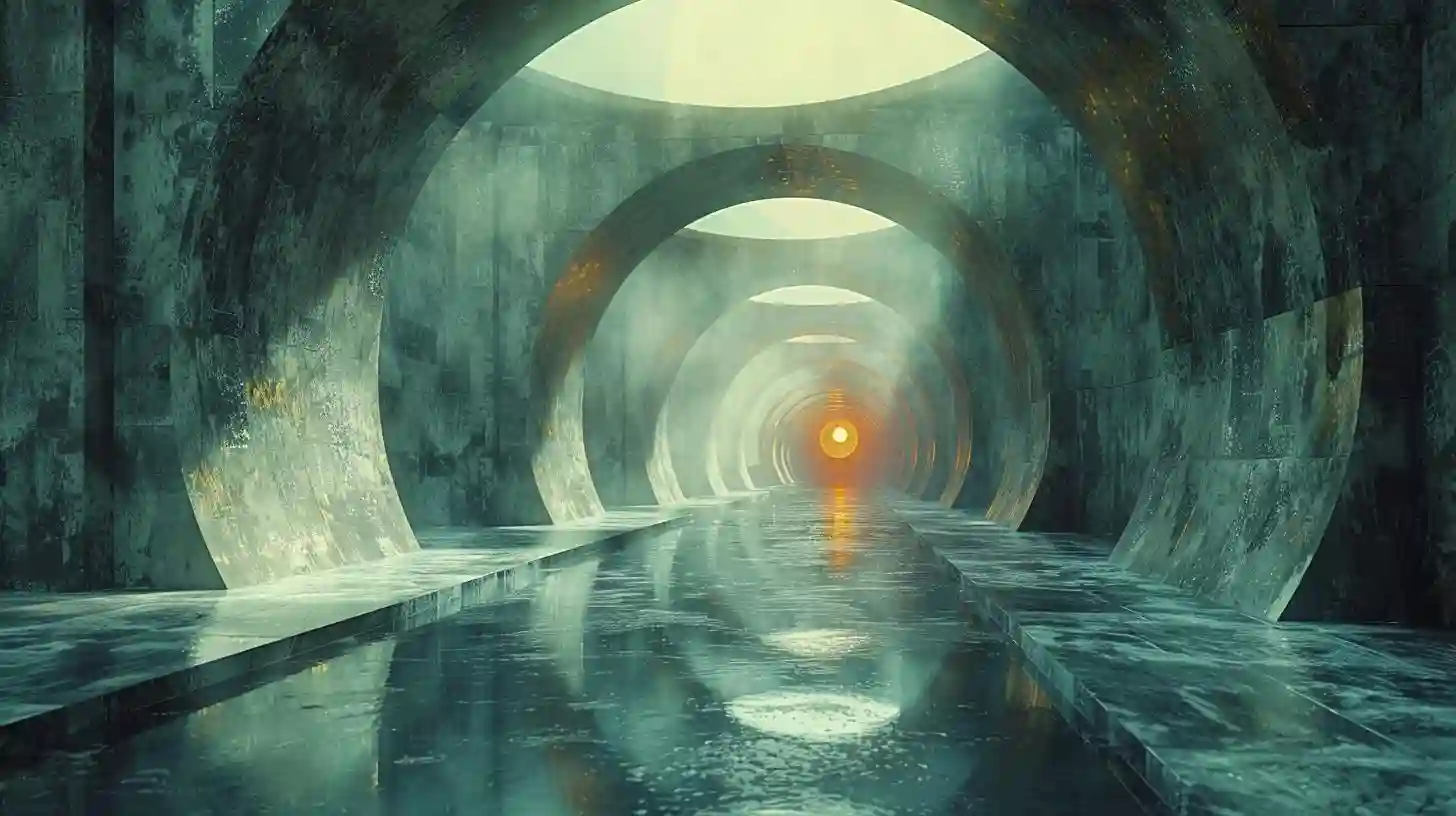
Spaces that evoke emotion emerge when architecture, art, and technology converge, transforming physical environments into immersive experiences. Walls and surfaces become more than structural elements, acting as canvases that respond to light, sound, and motion. Art integrates seamlessly into these spaces, guiding perception and eliciting nuanced emotional reactions. Subtle shifts in color, texture, or pattern can alter mood, while carefully designed acoustics can generate a sense of intimacy or expansiveness. Technology amplifies these effects, allowing environments to adapt in real time to the presence and behavior of occupants, fostering a dynamic dialogue between the built environment and its users. Motion sensors, projection mapping, and responsive materials transform static architecture into living spaces that evolve with each interaction, heightening the sense of connection and engagement. The blending of these disciplines also encourages multi-sensory experiences, where visual, auditory, and tactile stimuli are orchestrated to resonate with memory and imagination. This fusion creates environments that are not merely functional but emotionally charged, capable of inspiring creativity, reflection, or even a subtle shift in perception. By transcending traditional boundaries, synesthetic spaces challenge the conventional role of architecture, positioning it as a medium for storytelling and emotional exploration. Occupants become participants in a carefully choreographed experience, navigating layers of meaning embedded within spatial design. These spaces invite curiosity, fostering moments of surprise and discovery while establishing a profound interplay between the human psyche and the built environment.