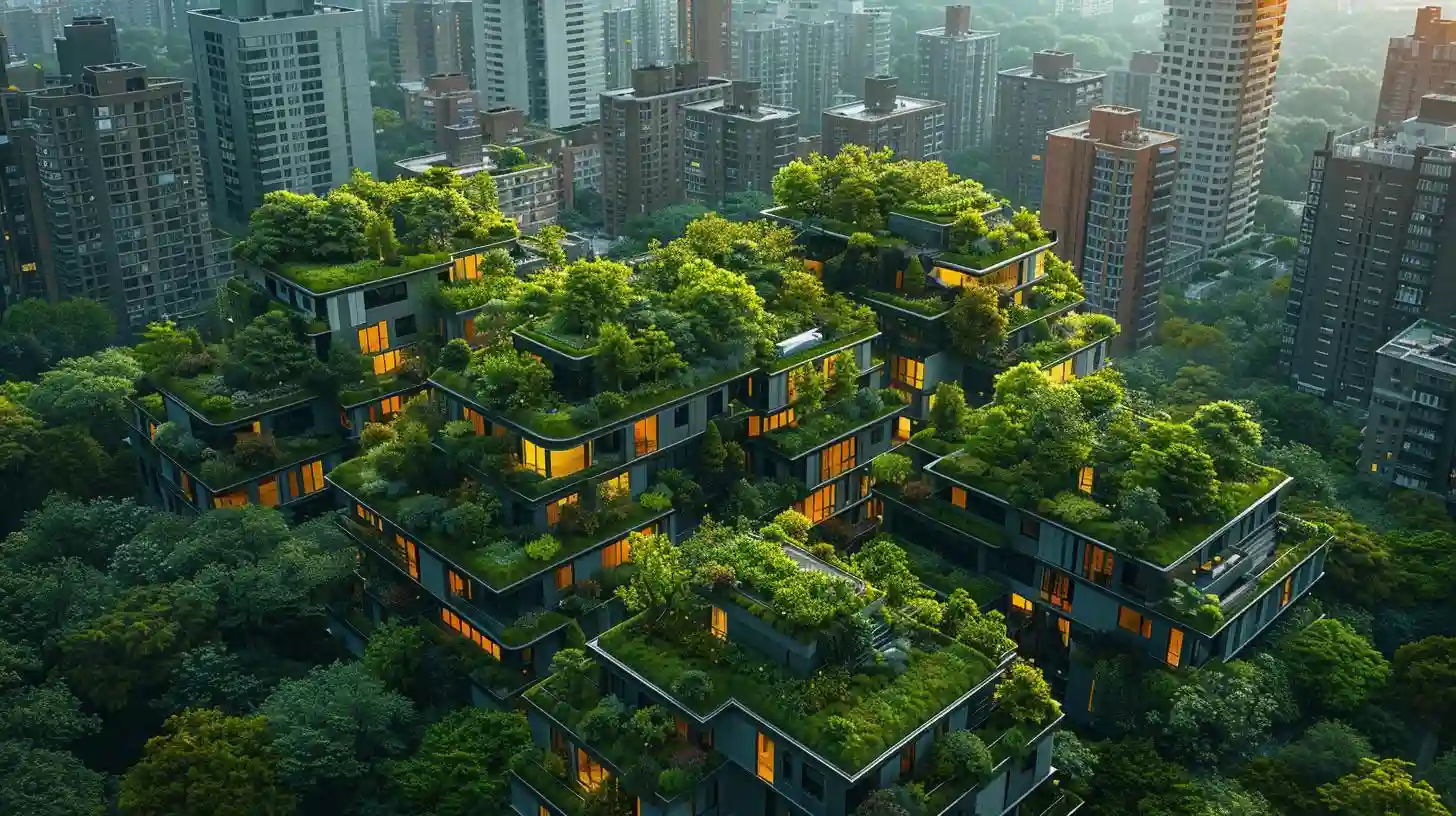
Green roofs offer a practical approach to enhancing urban sustainability while generating tangible economic benefits. By providing natural insulation, they reduce the energy demand for heating and cooling, directly lowering utility expenses for building owners. During summer months, the vegetation absorbs and reflects sunlight, diminishing the urban heat island effect and leading to cooler indoor temperatures. In winter, the added layer of soil and plants helps retain heat, reducing the need for excessive heating. These energy savings accumulate over time, offsetting the initial installation costs and making green roofs a financially viable investment.
Beyond immediate energy savings, green roofs can significantly increase property value. Buildings featuring these environmentally friendly systems often attract buyers and tenants who prioritize sustainability and reduced operating costs, creating a competitive edge in the real estate market. In addition, the aesthetic enhancement of a rooftop garden can transform previously underutilized spaces into visually appealing environments, further elevating the perceived value of the property. Maintenance costs, while present, are generally balanced by the extended lifespan of roofing materials protected from direct exposure to harsh weather conditions.
The broader economic impact of green roofs extends to municipal infrastructure as well. By absorbing rainwater, they reduce stormwater runoff, mitigating the financial strain on urban drainage systems and decreasing the likelihood of costly flood damage. This indirect benefit creates a ripple effect, lowering community-wide maintenance expenses while supporting resilient urban planning. Collectively, these factors demonstrate that integrating green roofs into building design not only contributes to environmental sustainability but also generates substantial financial advantages through energy efficiency, property valuation, and reduced municipal costs.
Word count: 258