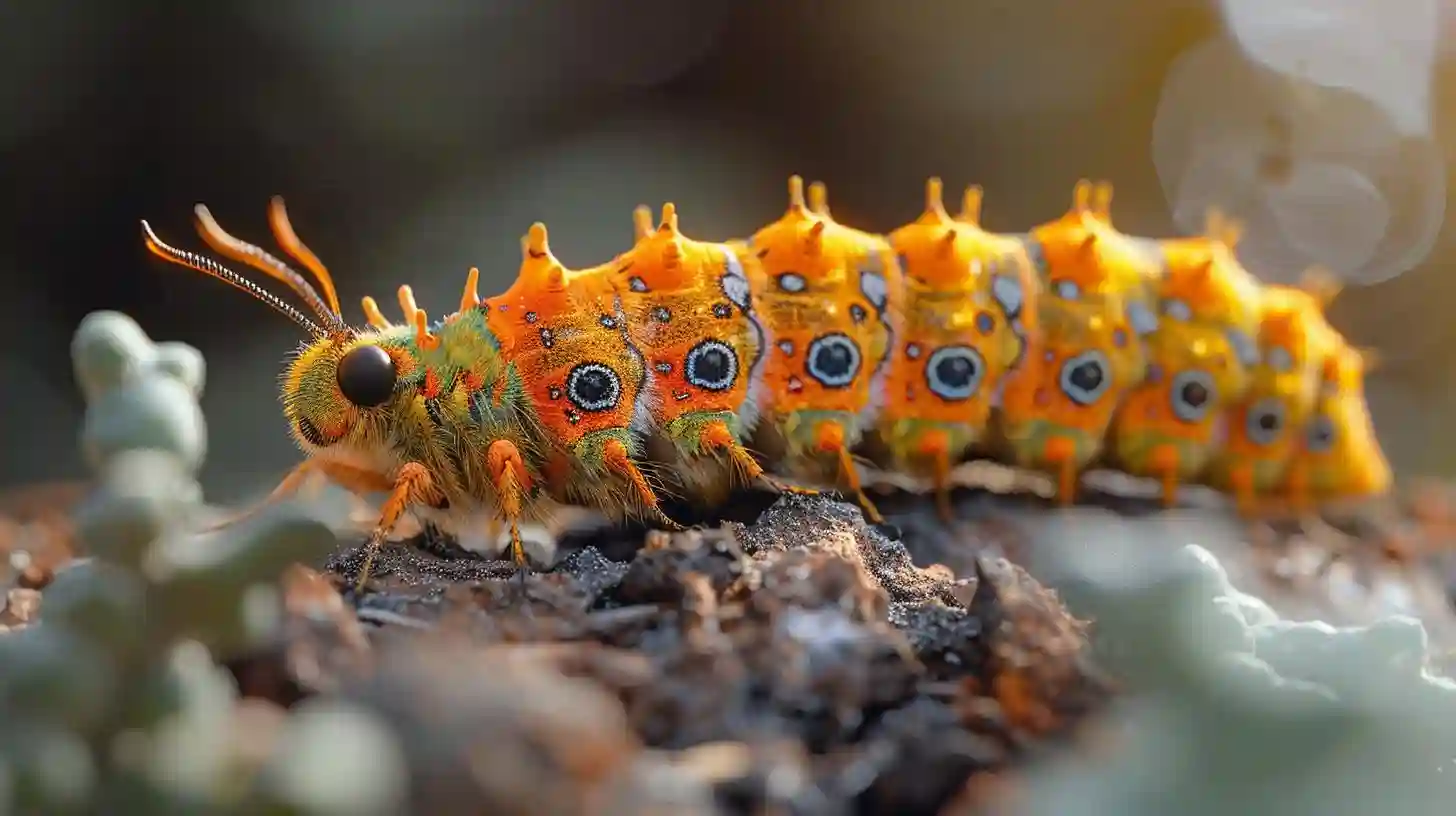
Butterflies occupy a unique position in ecosystems, serving as both participants and indicators of environmental health. Their delicate life cycle, from egg to caterpillar to chrysalis and finally adult, is highly sensitive to temperature fluctuations, habitat changes, and the availability of host plants. Shifts in butterfly populations often precede observable changes in broader ecological patterns, offering scientists early warnings about the impact of climate change, pollution, and habitat fragmentation. Observing their emergence and migration patterns reveals subtle variations in seasonal timing, which can signal rising temperatures or altered precipitation cycles.
The diversity and distribution of butterfly species reflect the complexity of ecosystems. Areas that support a wide array of butterflies often indicate rich biodiversity, while declines in certain species can point to ecological stress. Their interactions with plants as pollinators and herbivores demonstrate the interconnectedness of species, where disruptions to one component ripple across the ecosystem. Monitoring these insects allows researchers to anticipate threats to other wildlife and plant communities, providing a cost-effective and accessible tool for environmental assessment.
Furthermore, butterflies offer insights into the cumulative effects of human activity. Urbanization, pesticide use, and deforestation influence their habitats, and tracking population trends highlights where intervention may be necessary. By studying their responses to environmental pressures, scientists can predict potential consequences for more complex organisms and identify regions at risk. The presence or absence of butterflies, therefore, extends beyond aesthetics; it becomes a crucial measure of ecosystem resilience and the pace of ecological change. Observing these fragile creatures allows a deeper understanding of environmental dynamics long before more dramatic indicators emerge.
Word count: 276