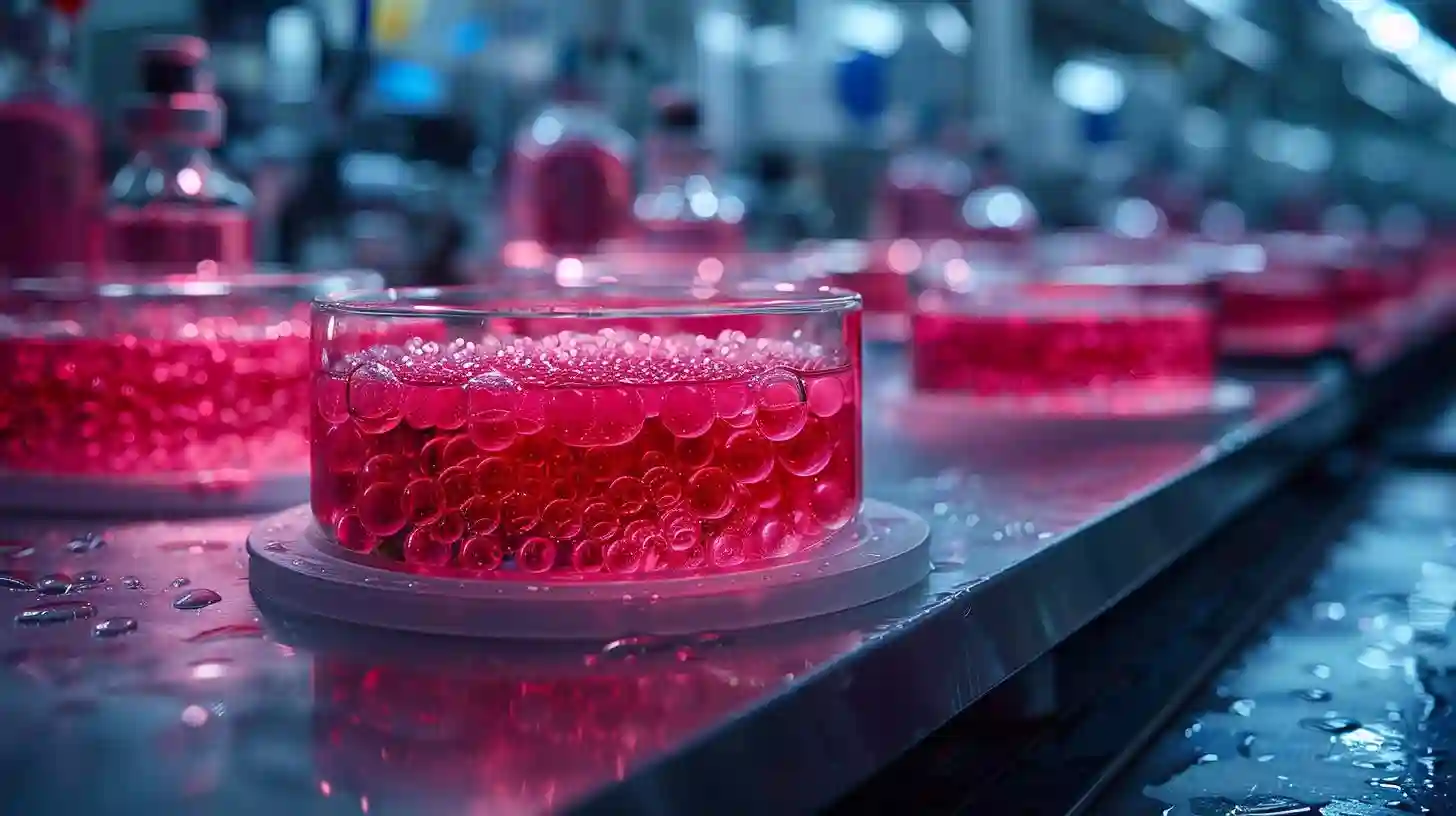
Food technology is playing a pivotal role in transforming plant-based proteins from experimental lab products into widely available, mainstream food options. Advances in biotechnology, material science, and engineering have made it possible to replicate the taste, texture, and nutritional value of animal-based proteins using plants. This shift is not just driven by the increasing demand for sustainable food sources, but also by the growing recognition of the environmental impact of livestock farming.
Through the use of precision fermentation and genetic engineering, companies are developing plant-based proteins that closely mimic the structure and function of meat. These innovations allow for the creation of products that are indistinguishable from traditional meat, offering a sustainable alternative without sacrificing taste or nutritional quality. The process begins in labs where scientists carefully manipulate plant proteins to enhance their functionality. They then scale these innovations to mass production, ensuring that the products are both affordable and accessible to a broad consumer base.
The journey from lab to table also involves refining production methods to ensure scalability and sustainability. As consumer interest grows, food companies are exploring ways to improve efficiency and reduce the carbon footprint of plant-based protein production. These efforts include optimizing fermentation processes, utilizing renewable energy sources, and improving supply chain logistics to make plant-based proteins more cost-effective and widely available.
As food technology continues to evolve, the future of plant-based proteins appears promising. With each new breakthrough, these products move closer to becoming a mainstay in the global food system, offering an ethical and environmentally friendly solution to the challenges posed by traditional animal agriculture.