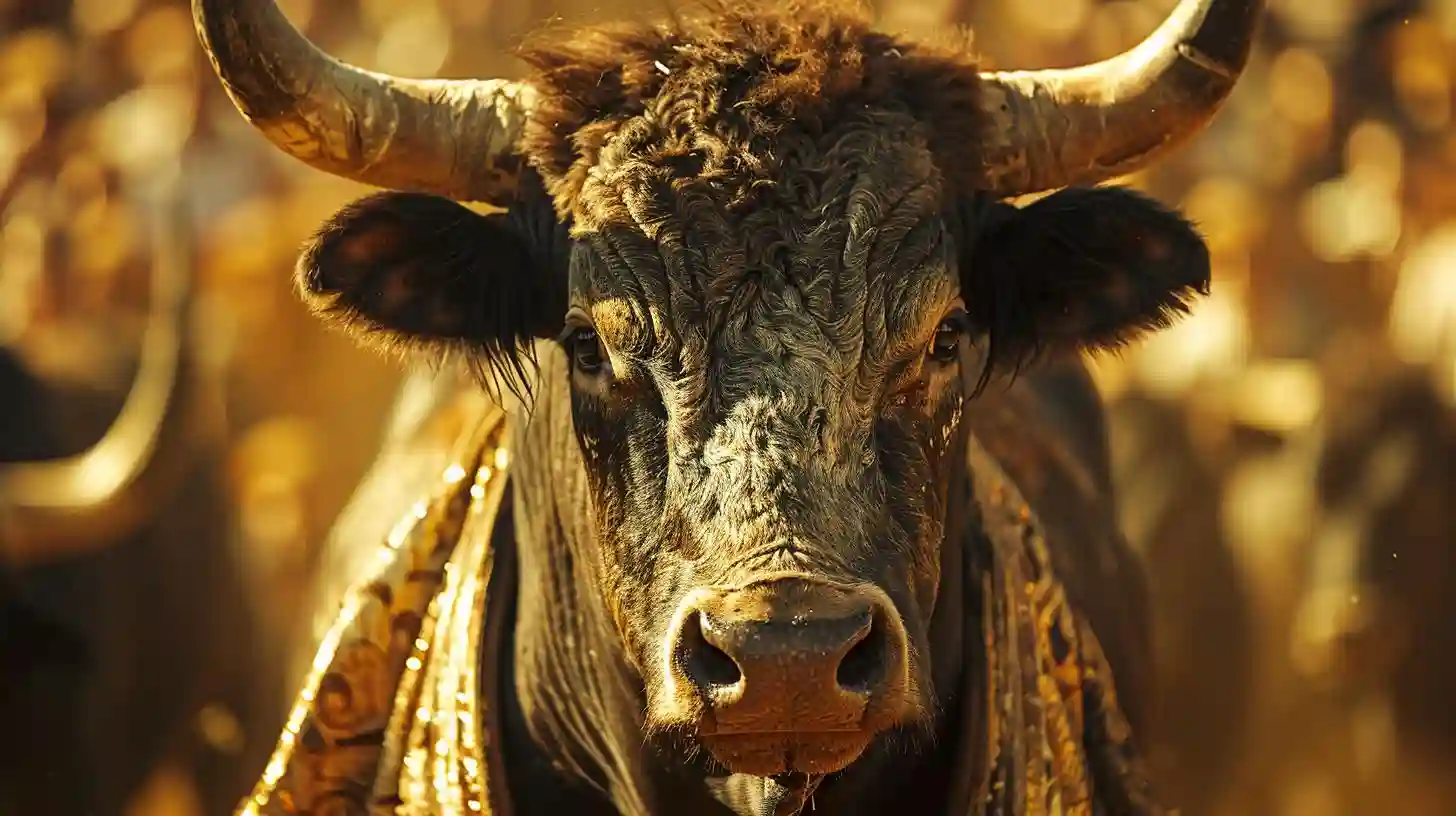
Bullfighting occupies a complex space in cultural consciousness, reflecting both historical continuity and evolving values. Its origins stretch back centuries, entwined with rural rituals and aristocratic spectacle, where mastery over the bull symbolized courage, skill, and social hierarchy. For many communities, the arena functions as a stage where identity is performed, linking local pride to national narratives. The matador becomes a vessel of tradition, embodying ideals of honor and bravery that extend beyond the spectacle itself.
At the same time, bullfighting serves as a mirror of societal transformation. Debates around animal rights and ethical responsibility challenge its place in contemporary culture, forcing nations to confront tensions between heritage and modern sensibilities. Regions where bullfighting thrives often experience a dynamic negotiation between preservation and reform, as communities redefine what it means to honor tradition while acknowledging evolving moral standards. This tension highlights the fluidity of national identity, demonstrating that cultural symbols are not static but subject to reinterpretation.
The visual and performative aspects of bullfighting reinforce collective memory and regional distinctiveness. Costume, music, and ritualized movement convey values, emotions, and historical consciousness that are shared and transmitted across generations. Spectators engage not only with a spectacle but also with a narrative of belonging, where collective experiences shape cultural self-understanding. Through these layers, bullfighting functions as both a repository of memory and a canvas for dialogue about the ethics and aesthetics that define national character. The enduring presence of this practice, alongside its contested status, reveals how nations negotiate continuity and change, revealing identity as a living, negotiated process rather than a fixed inheritance.