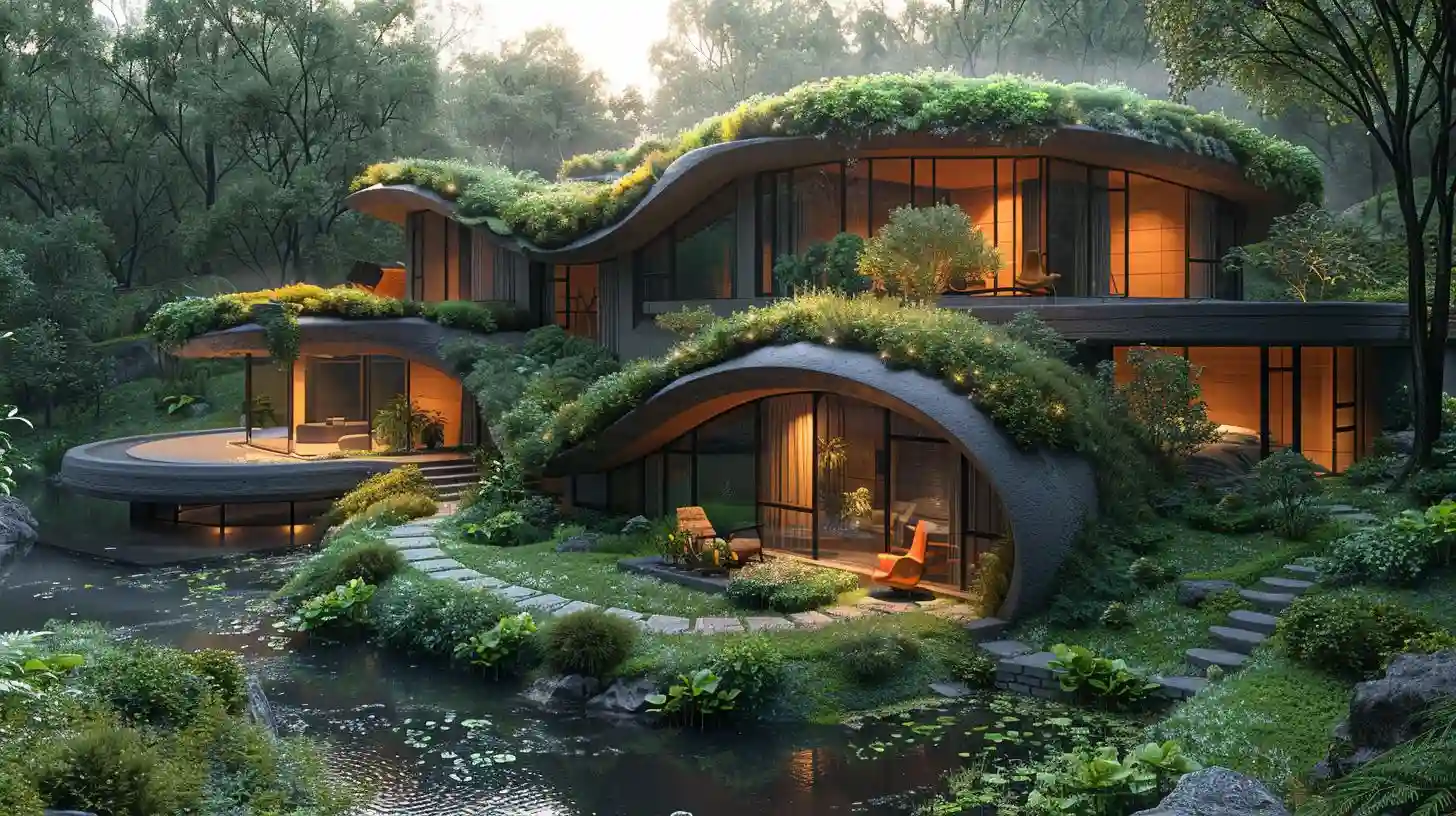
Living roofs, often referred to as green roofs, have gained recognition for their unique ability to blend aesthetics with functionality, providing both environmental and architectural benefits. These innovative systems involve growing vegetation on rooftops, transforming otherwise unused spaces into vibrant ecosystems that contribute to both the beauty and sustainability of a building.
From an ecological perspective, living roofs play a critical role in mitigating urban heat islands. By covering a roof with plants, the building absorbs less heat, which helps to lower surrounding temperatures. This cooling effect can reduce energy consumption, as buildings with green roofs require less air conditioning during hot months. Additionally, these roofs absorb rainwater, preventing runoff and reducing the risk of flooding, while also filtering pollutants from the air and improving urban air quality.
Beyond their environmental advantages, living roofs have a unique aesthetic appeal. They introduce natural beauty to urban spaces, which are often dominated by concrete and steel. This greenery can create serene environments, offering a respite from the noise and congestion typical of city life. It also enhances the building’s visual interest, making it stand out while harmonizing with its surroundings. In urban planning, this can contribute to the revitalization of communities by adding layers of visual and ecological richness to the built environment.
The combination of ecological benefits and visual appeal makes living roofs an increasingly popular choice for modern architecture. They not only provide an innovative solution to environmental challenges but also offer a meaningful way to reconnect urban spaces with nature.