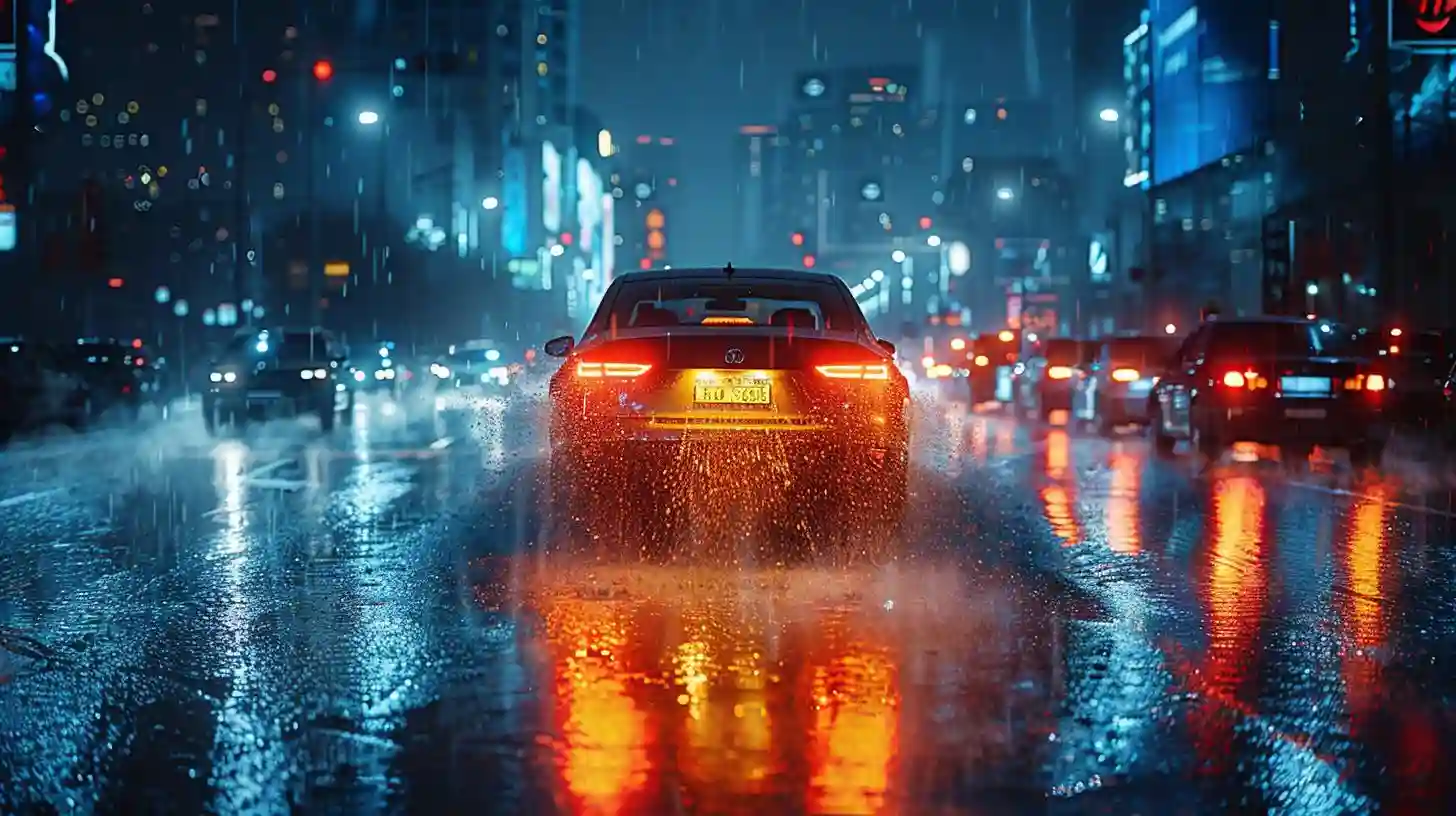
Adaptive lighting systems in vehicles adjust the intensity and direction of illumination based on driving conditions, enhancing visibility while minimizing glare. At night, drivers face a complex visual environment where rapidly changing light sources, such as oncoming headlights or streetlights, demand continuous attention. Traditional static headlights require drivers to compensate for these fluctuations, increasing cognitive effort and reaction time. By dynamically modulating light distribution, adaptive systems reduce the need for constant conscious adjustments, allowing drivers to focus more effectively on the road and potential hazards.
These systems often integrate sensors that detect road curvature, vehicle speed, and surrounding traffic, automatically optimizing the beam pattern to illuminate relevant areas without overexposing others. This targeted lighting supports visual acuity while preserving the driver’s natural night vision. Cognitive load decreases as the driver no longer needs to manually anticipate changes in lighting conditions or struggle with momentary blindness caused by glare. Moreover, the system’s responsiveness can aid in perceiving subtle cues, such as pedestrians stepping onto the roadway or road signs partially obscured by shadows, which might otherwise be missed in poorly lit conditions.
The psychological effect of adaptive lighting also contributes to a more relaxed driving experience. Reduced mental strain leads to steadier attention and decision-making, particularly on long stretches of dark roads where fatigue and reduced alertness are prevalent. By aligning environmental perception with the driver’s natural visual processing, adaptive lighting acts as an extension of the sensory system, harmonizing technology with human cognition. This synergy not only improves safety but also promotes confidence, enabling drivers to navigate nighttime conditions with less mental effort and greater situational awareness.