The allure of minimalism in floral design often stems from a desire for clarity and calm. Sparse arrangements with carefully chosen blooms can evoke a sense of order and intentionality, allowing each element to hold significance. This approach resonates with individuals who seek control over their environment and find comfort in simplicity, where the absence of excess mirrors an inner preference for focus and tranquility. The limited palette and restrained forms encourage mindfulness, inviting observers to notice subtle textures, colors, and shapes that might be lost in busier compositions.
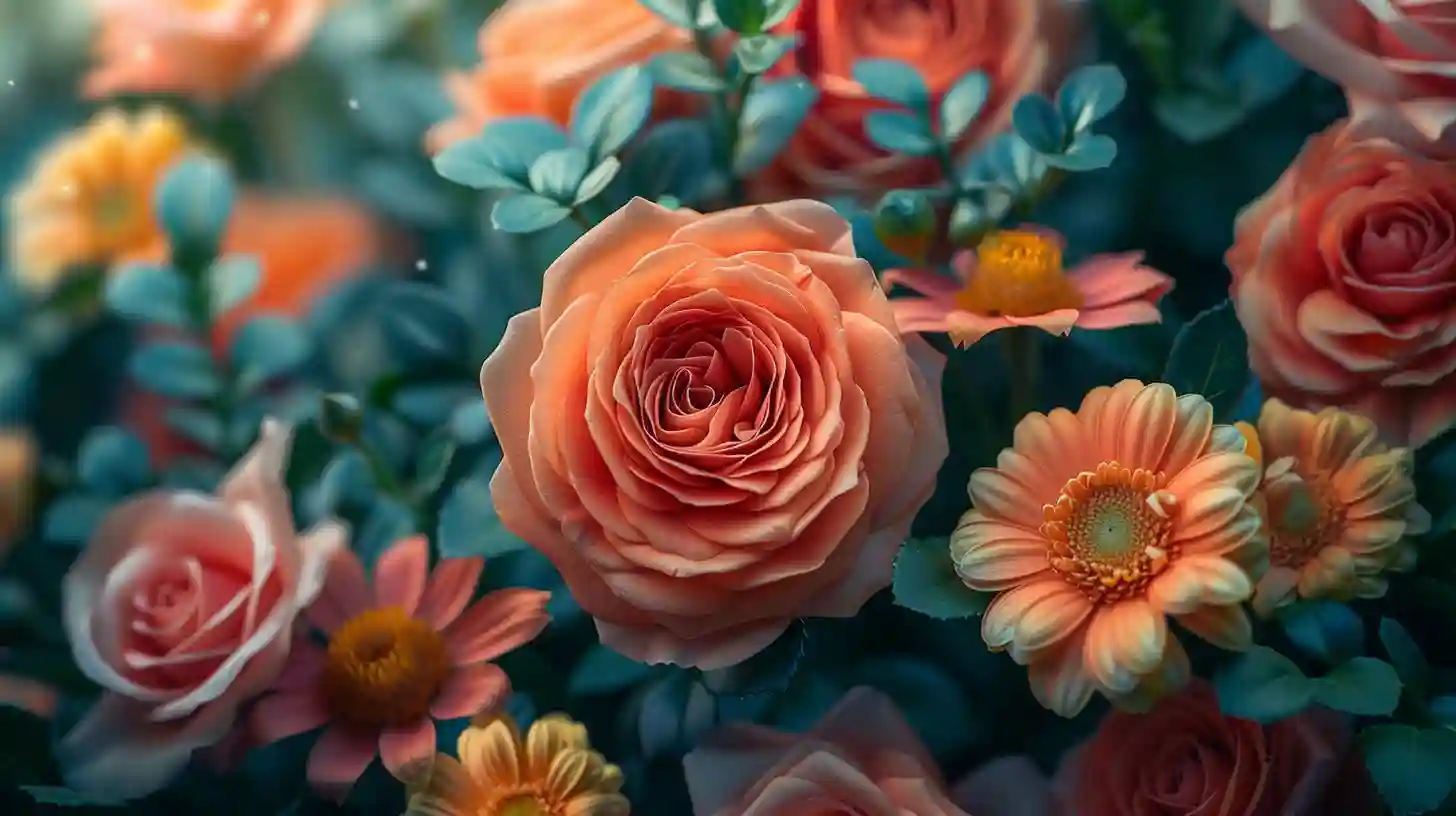
Maximalist arrangements, by contrast, speak to an appetite for abundance and sensory richness. Layers of diverse flowers, contrasting hues, and varying heights create a dynamic visual narrative, appealing to those who thrive on stimulation and novelty. The complexity of such arrangements can evoke emotional exuberance, signaling openness to experience and a willingness to embrace imperfection as part of beauty. The immersive quality of maximalism can foster feelings of warmth and vitality, as each element contributes to a harmonious chaos that is both playful and expressive.
Psychologically, these preferences often reflect deeper personality traits and emotional states. Minimalist floral choices may indicate a need for calm or a preference for reflection, while maximalist choices can signify a desire for engagement and external connection. Cultural influences, past experiences, and even situational context shape how individuals perceive and respond to visual stimuli, subtly guiding their aesthetic inclinations. Whether one gravitates toward restraint or abundance, the appeal of floral design lies not merely in decoration but in its capacity to mirror and influence inner states, offering a glimpse into how we seek to inhabit and interpret our surroundings.