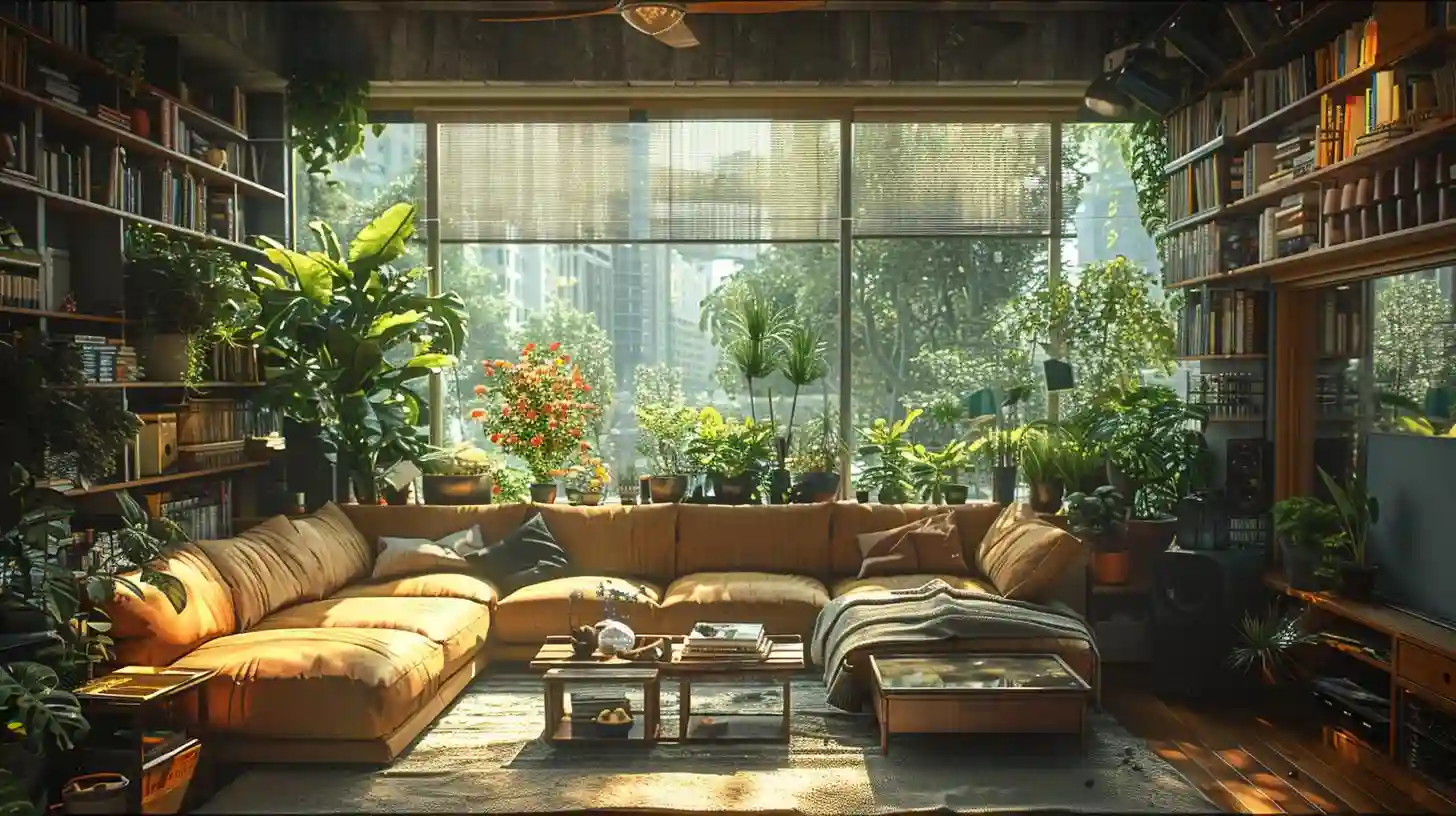
Designing a home that adapts to your evolving identity is a practice that blends foresight with flexibility. It requires creating spaces that are not only functional today but can seamlessly shift with your needs and lifestyle in the future. One key aspect is ensuring that rooms can serve multiple purposes. For example, a spare bedroom might function as a home office today but could easily transform into a guest room or a playroom in the future, depending on what life brings. The key is choosing furniture and layouts that are modular and adaptable, rather than permanent fixtures that lock you into a specific way of living.
Another critical consideration is the use of technology. Homes equipped with smart systems offer unprecedented control over lighting, climate, and security, which can be customized to suit personal preferences. As technology continues to advance, homes can evolve without requiring major overhauls. The integration of renewable energy systems, such as solar panels or energy-efficient appliances, ensures that the home remains environmentally sustainable and cost-effective over time.
A focus on personalized, timeless design choices also plays an essential role in future-proofing. Rather than following fleeting trends, choosing neutral colors and durable materials that age gracefully helps maintain a space that feels relevant for years to come. Flexible storage solutions are just as vital, enabling residents to adapt the home to their changing needs—whether accommodating more family members, hobbies, or a growing collection of possessions.
Ultimately, a future-proofed home is one that anticipates change and welcomes it. The ability to adapt without extensive renovations makes a home not only more comfortable and practical but deeply connected to the person living within it, supporting them as they evolve.