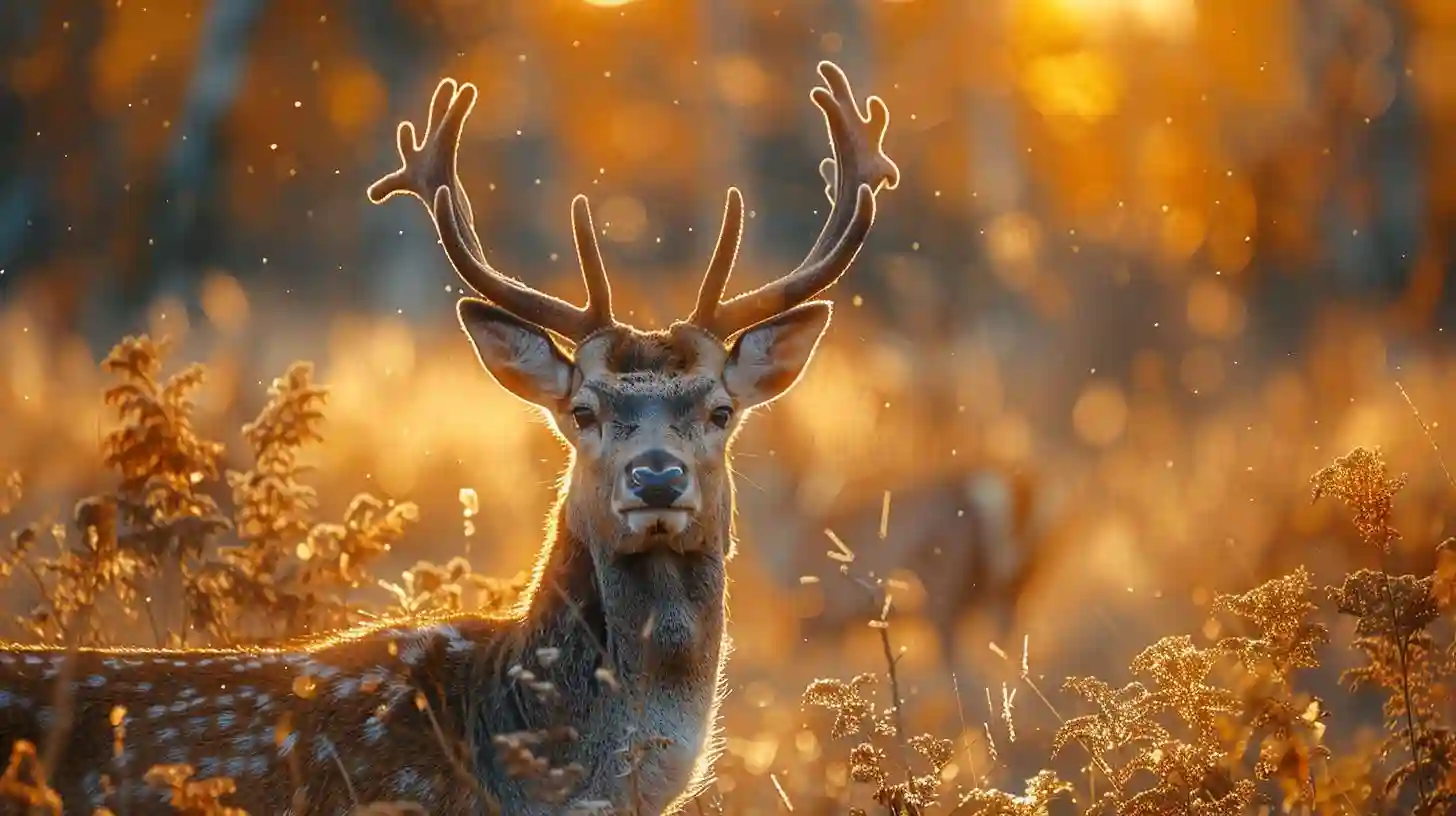
The gentle sway of trees and the soft rustle of leaves create a sanctuary where the mind can unclench. In these quiet spaces, deer move with an effortless grace, their presence a living rhythm that contrasts sharply with the relentless pace of urban life. Watching them navigate the underbrush or pause to nibble on tender shoots invites a sense of stillness that seeps into the observer’s own body. Each cautious step and alert glance becomes a mirror for patience and mindfulness, offering a subtle lesson in presence that the city rarely affords.
The simplicity of their movements carries an emotional resonance, a quiet echo that softens the tensions held in shoulders and chest. Attention shifts from the barrage of notifications, honking cars, and fluorescent lights to the delicate patterns of nature unfolding slowly. Observing deer encourages a deeper attunement to the environment, a sensitivity to rhythm, sound, and motion that fosters a sense of calm curiosity. The mind, often occupied with planning and worry, can settle into a more fluid awareness, allowing anxious thoughts to lose their urgency.
In these encounters, time itself seems to stretch, revealing the layers of sensation often obscured in urban settings. The deer’s calm vigilance contrasts with human restlessness, creating a subtle dialogue between observer and observed. Emotional tension softens not through forced relaxation, but through empathetic attunement, as if absorbing the serenity that permeates the forest. Moments of shared stillness become a quiet refuge, where the pulse of life slows, and urban anxieties fade into the background, leaving a renewed capacity to engage with the world from a steadier, more centered place.