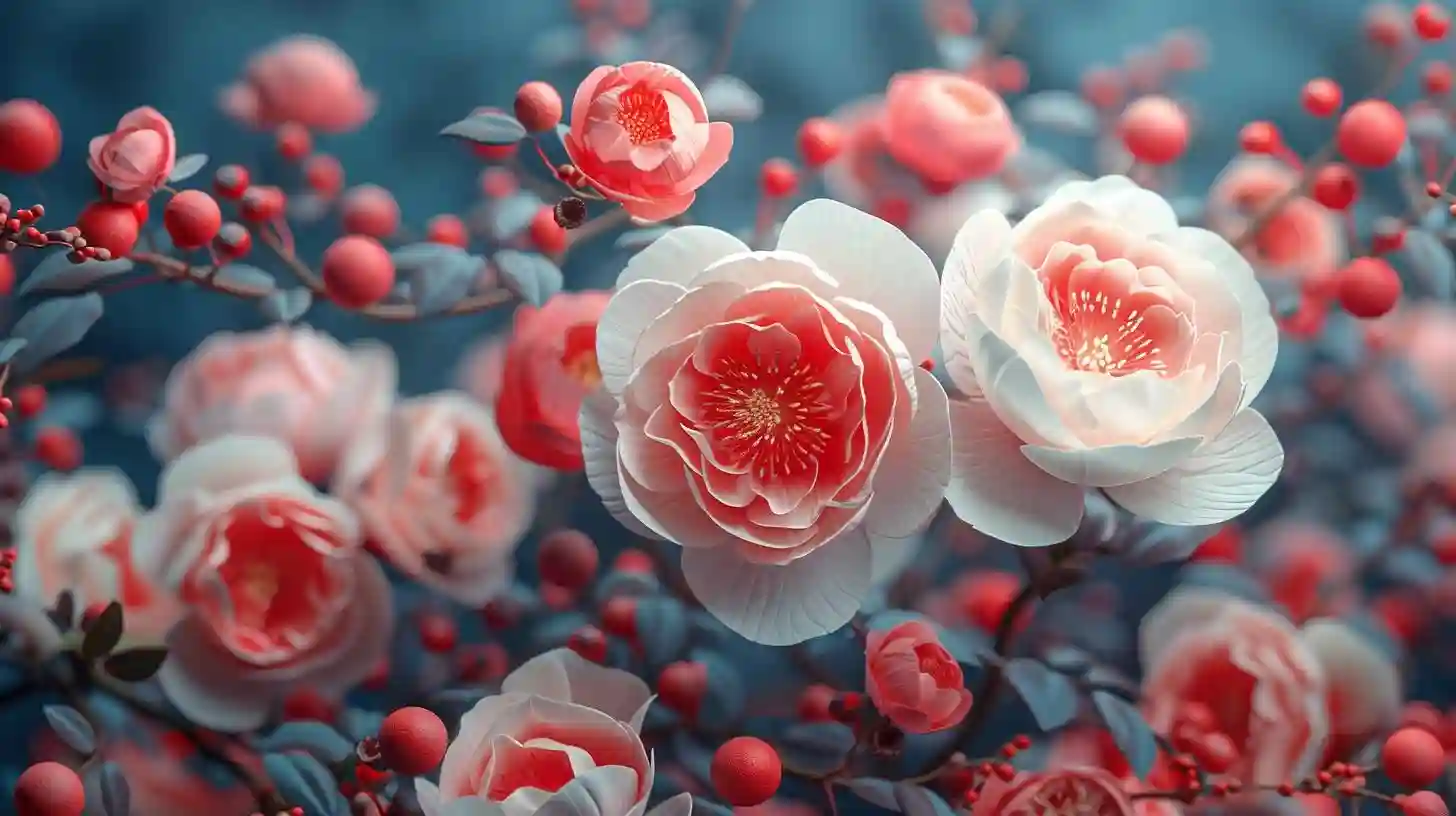
3D printing has revolutionized industries in countless ways, and floral customization is no exception. The process begins with conceptualizing the desired design. Whether it’s a delicate flower arrangement, an intricate vase, or a custom floral accessory, the first step is visualizing the piece in detail. This involves sketching out ideas, determining the color palette, and deciding on the materials that will be used. Software such as CAD (Computer-Aided Design) is essential at this stage, allowing for precision in crafting a digital model that reflects every curve and petal.
Once the design is set, the next step is preparing the 3D model for printing. This requires converting the digital design into a file format compatible with 3D printers. The file is then processed in a slicer program, which breaks the model into layers, determining how each part will be printed. This is crucial because the material used, whether plastic, resin, or a biodegradable option, will dictate the printing process and finishing techniques.
With the model ready, the printing itself begins. The 3D printer carefully lays down successive layers of material, gradually building up the design. Depending on the complexity, this can take hours or even days. After printing, post-processing is often necessary. This could include smoothing out rough edges, adding colors, or incorporating details such as metallic finishes or even LED lighting for added effect.
The final product, once completed, is a unique piece that bridges the gap between artistic expression and technological innovation. By using 3D printing, floral customization becomes an accessible, precise, and environmentally sustainable craft, offering endless possibilities for creativity.