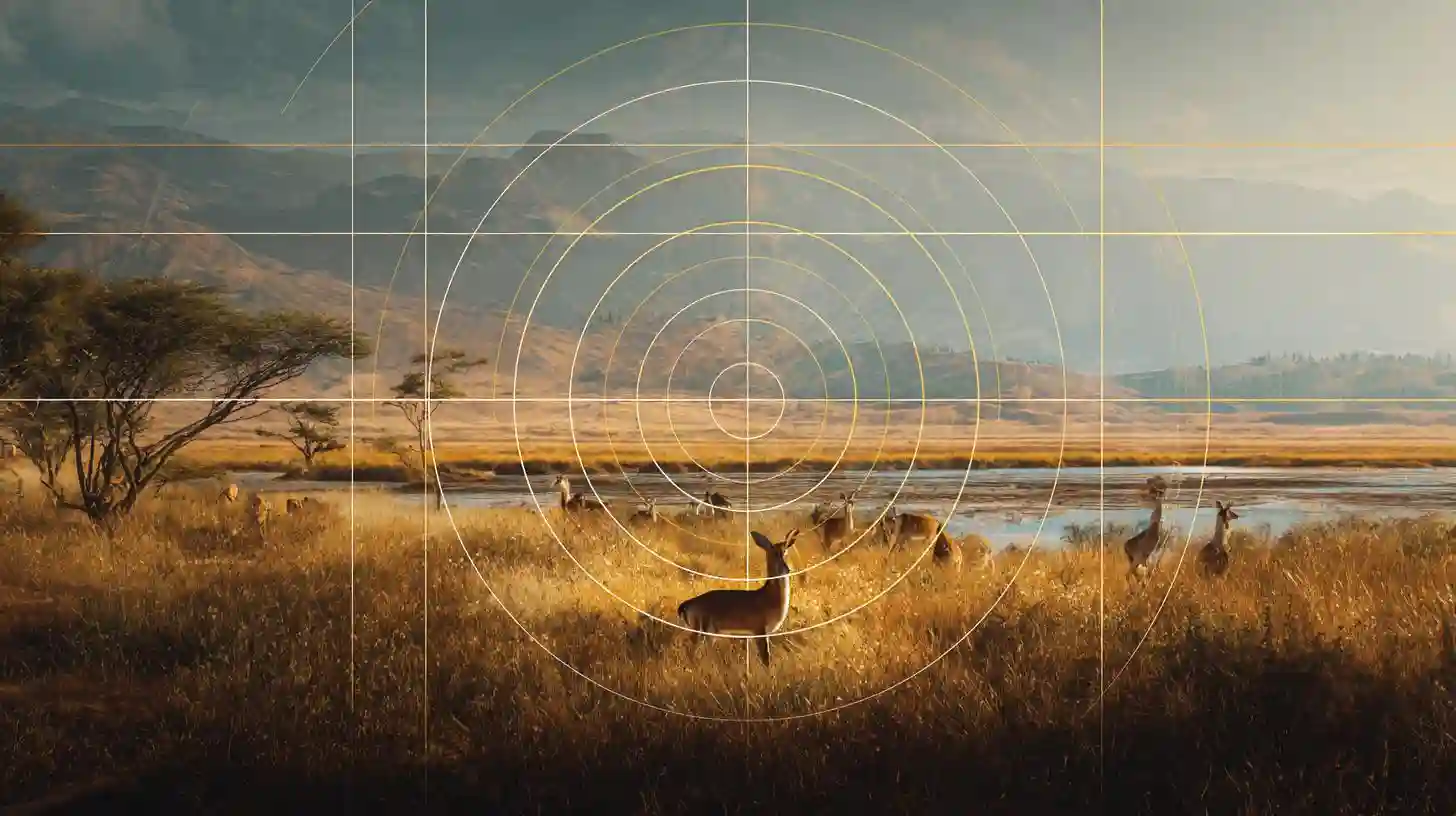
Technological advancements have transformed the way researchers monitor and protect wildlife, allowing conservation efforts to become more precise and effective. Modern tracking devices, including GPS collars and miniature sensors, enable scientists to collect detailed movement patterns of animals over vast landscapes. These tools provide insights into migration routes, feeding habits, and interactions within ecosystems, revealing behaviors that were once difficult to observe. Remote sensing technology, such as drones and satellite imagery, allows for monitoring of habitats in real time, helping conservationists identify changes caused by deforestation, climate shifts, or human encroachment. The integration of artificial intelligence and machine learning into wildlife studies has further amplified the ability to analyze large datasets, predict trends, and detect potential threats before they escalate. Acoustic monitoring devices capture the sounds of birds, amphibians, and marine mammals, giving researchers the ability to study populations without disturbing their natural environments. Camera traps and motion sensors have revolutionized the study of elusive or nocturnal species, providing photographic and video evidence that informs both scientific understanding and public awareness. Biotelemetry and environmental DNA analysis allow for non-invasive tracking of health and genetic diversity, offering critical information for breeding programs and species reintroduction efforts. Mobile applications and cloud-based platforms have improved collaboration between conservationists, enabling the sharing of real-time data across organizations and borders, facilitating coordinated responses to environmental challenges. Citizen science initiatives, empowered by smartphone technology, have also expanded the scope of monitoring, engaging the public in reporting sightings and contributing to long-term research projects. Technological innovation continues to enhance predictive modeling, enabling the identification of high-risk areas for poaching or habitat loss and informing proactive management strategies. These advancements, combined with interdisciplinary approaches, foster a deeper understanding of wildlife dynamics, ensuring that conservation interventions are informed, adaptive, and more likely to succeed in preserving biodiversity.