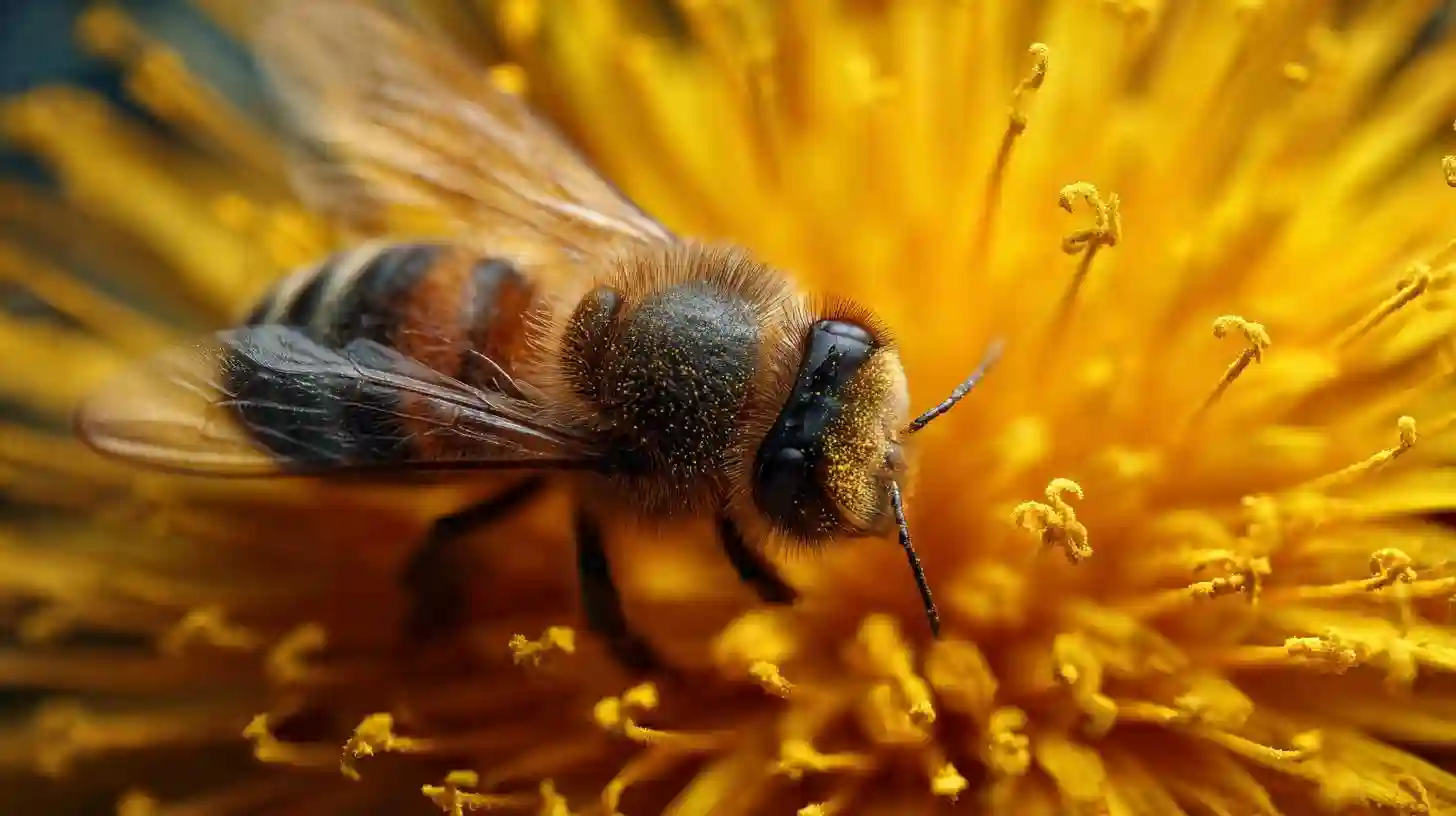
Pesticide use in agriculture has long been a contentious issue due to its impact on the environment, especially on pollinators such as bees, butterflies, and other insects. These pollinators play an essential role in the reproductive processes of many plants, including numerous crops that humans rely on for food. However, the chemicals used in pesticides often have harmful effects on these vital species. When pollinators come into contact with pesticide-treated plants, they may experience immediate or delayed poisoning, which can disrupt their ability to forage, reproduce, or even survive. As a result, the populations of pollinators are declining at an alarming rate, leading to concerns about the long-term viability of ecosystems and the future of food production.
One of the most devastating consequences of pesticide exposure is its effect on bee populations. Bees, in particular, are highly sensitive to certain pesticide ingredients, which can impair their navigation abilities and interfere with their communication systems. As a result, bees may become disoriented, unable to find their way back to the hive, or fail to pollinate plants effectively. This disruption of pollination can lead to reduced crop yields and even the loss of entire plant species that depend on these pollinators.
In light of these issues, alternative solutions are being explored to reduce the reliance on chemical pesticides. One such solution is the use of integrated pest management (IPM), which combines biological, physical, and chemical methods to control pest populations in a way that minimizes harm to pollinators and the broader environment. By encouraging natural predators, such as ladybugs or predatory mites, and using organic treatments, farmers can reduce the need for harmful pesticides. Additionally, promoting the planting of pollinator-friendly habitats, such as wildflower strips or hedgerows, can help provide safe spaces for pollinators to thrive, even in areas where crops are being grown.
Another approach is the development and use of biopesticides, which are derived from natural substances such as plants, bacteria, or fungi. These alternatives tend to be more selective in targeting pests without harming beneficial insects. For example, certain biopesticides may affect only specific pest species while leaving pollinators unharmed. Encouraging organic farming practices that avoid synthetic chemicals altogether can also contribute to the protection of pollinators by promoting healthier ecosystems and reducing chemical exposure.
Farmers and researchers are working to find a balance between protecting crops and preserving pollinator populations. The shift towards more sustainable agricultural practices, including the reduction of pesticide use, is crucial for maintaining biodiversity and ensuring food security for future generations. While the challenges are significant, the ongoing efforts to develop alternative solutions offer hope for a more harmonious relationship between agriculture and the natural world.