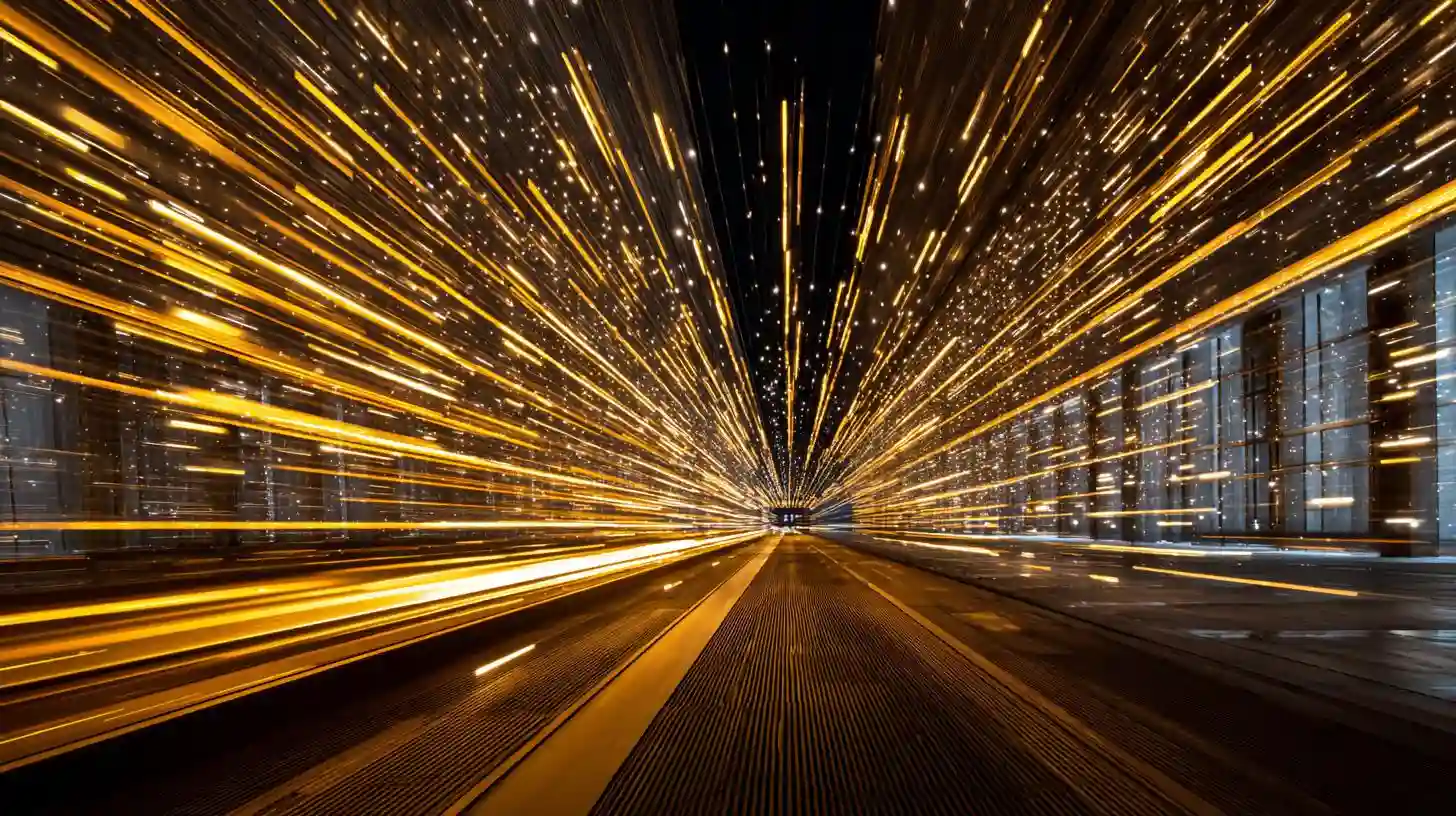
Long exposure photography is a technique that allows photographers to capture time and motion in a single image. One of the most fascinating applications of this method is the creation of light trails, where moving light sources leave streaks or trails across the frame. This effect can turn an ordinary scene into something ethereal and dynamic. To achieve the best results, a long exposure is used to keep the shutter open for an extended period, allowing light to accumulate on the sensor or film. The movement of lights, whether from vehicles, fireworks, or cityscapes, will form glowing lines that trace their paths through the image. To master light trails, it is important to understand the balance between exposure time and the intensity of the light sources. Too short of an exposure time might not allow the lights to leave distinct trails, while too long an exposure could cause overexposure, washing out the effect. A tripod is an essential tool, as it keeps the camera steady during the long exposure, preventing any unwanted blur from camera shake. It is also useful to experiment with different shutter speeds, which can range from a few seconds to several minutes depending on the scene. As the lights move through the frame, their paths are recorded as smooth, flowing trails. This technique is commonly used in urban environments where car lights create striking visual effects, or during events like concerts or sporting events where moving light sources are abundant. The key to creating mesmerizing light trails lies in timing. By anticipating the movement of the light sources, photographers can predict the way the trails will form and position themselves accordingly to get the desired composition. Patience and experimentation are crucial, as small changes in camera settings or light direction can dramatically alter the final result. Adjusting the aperture to control the amount of light entering the camera is another useful technique. A smaller aperture (higher f-number) will allow less light to hit the sensor, creating sharper and more defined trails, while a larger aperture will produce a more diffuse effect. It is also important to choose the right time and place for shooting light trails. Nighttime or dusk are ideal for capturing vibrant trails, as the darkness contrasts beautifully with the bright light streaks. Locations with moving vehicles, trains, or even pedestrians can create exciting patterns and add a sense of motion and energy to the photograph. However, light trails can be created in a variety of environments, not just city streets. Any situation where light is in motion, such as a moving ferris wheel, a person with a flashlight, or even the stars in the sky, can yield unique and creative results. The beauty of light trail photography is its ability to freeze a moment in time while simultaneously capturing the fluidity of motion, turning a simple scene into something mesmerizing and full of life.