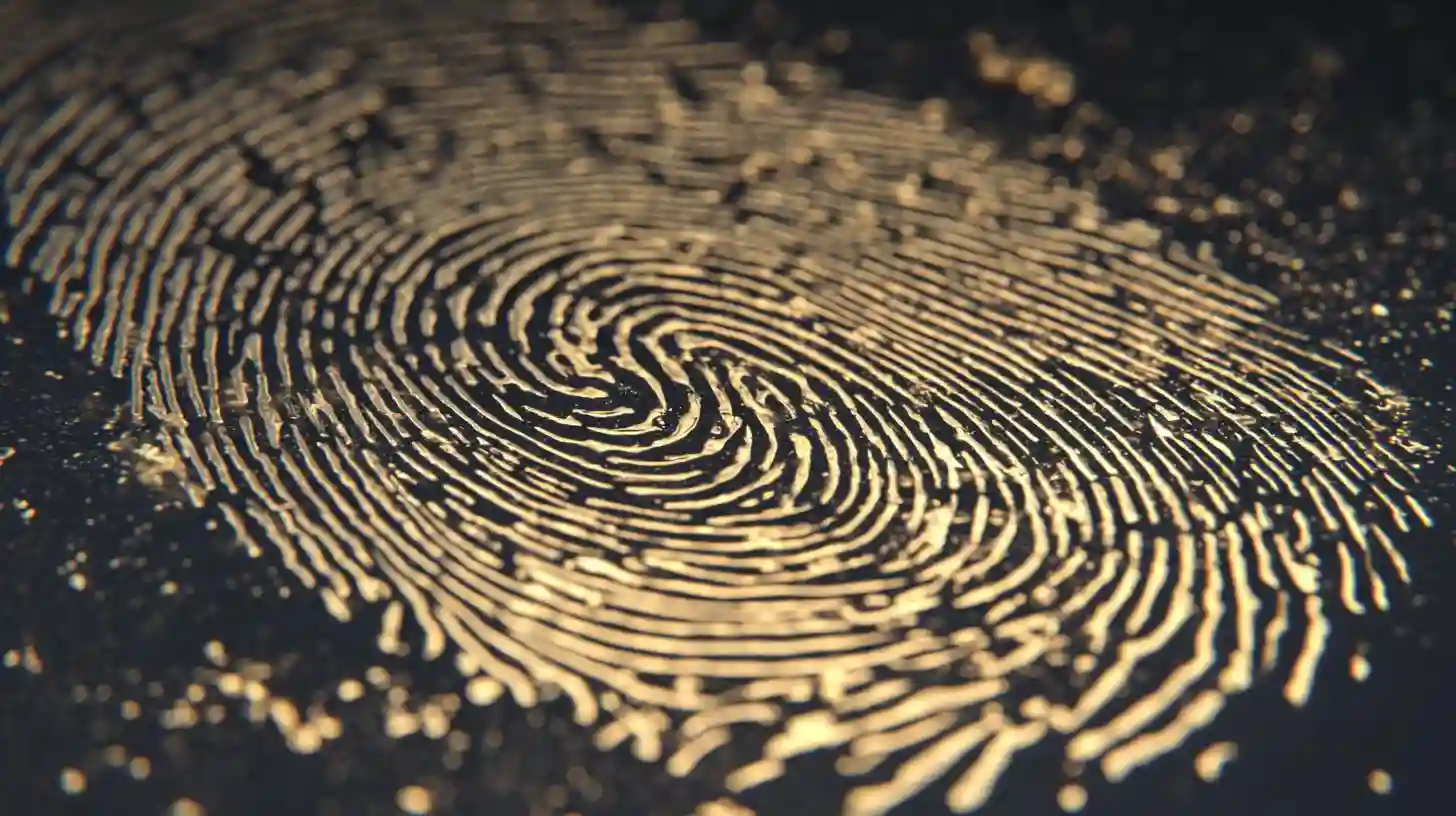
Fingerprint scanning technology has come a long way, evolving from its early days of ink-based methods to today’s sophisticated digital systems. In the past, the process of capturing fingerprints was a manual task. Ink was applied to a person's fingers, and then their print was rolled onto paper. This method was not only time-consuming but also prone to errors. The prints could smudge or fail to capture the finer details, leading to misidentifications or challenges in legal situations. Over time, the need for more reliable and efficient identification systems pushed researchers and innovators to develop digital fingerprint scanning technology.
The first significant advancement came with the introduction of optical scanners. These scanners utilized light to capture an image of the fingerprint. The light reflected from the ridges and valleys of the print, creating a digital image that could then be processed for identification purposes. This technology was faster and more accurate than ink-based methods, allowing for a more automated approach to fingerprint identification. It quickly found applications in law enforcement, security, and even border control, where rapid identification of individuals became essential.
The next leap forward in fingerprint technology was the introduction of capacitive sensors. These sensors work by measuring the difference in electrical charge between the ridges and valleys of a fingerprint. The resulting image was highly detailed, allowing for more accurate identification. Capacitive sensors enabled the miniaturization of fingerprint scanners, making them more suitable for portable devices like smartphones. This was a game-changer in the tech industry, as it allowed users to unlock their phones, authorize payments, and even sign into accounts using nothing but their fingerprints.
In recent years, ultrasonic fingerprint scanning has emerged as the next frontier in this technology. Ultrasonic scanners send high-frequency sound waves through the skin to create a 3D map of the fingerprint, capturing even deeper details than previous methods. This technology is more secure, resistant to spoofing, and can work through dirt or even some level of moisture on the finger, making it more reliable than earlier versions. As smartphones and other devices increasingly rely on biometric security, these advances are making fingerprint scanning technology not just faster, but also more secure and accessible to a broader audience.