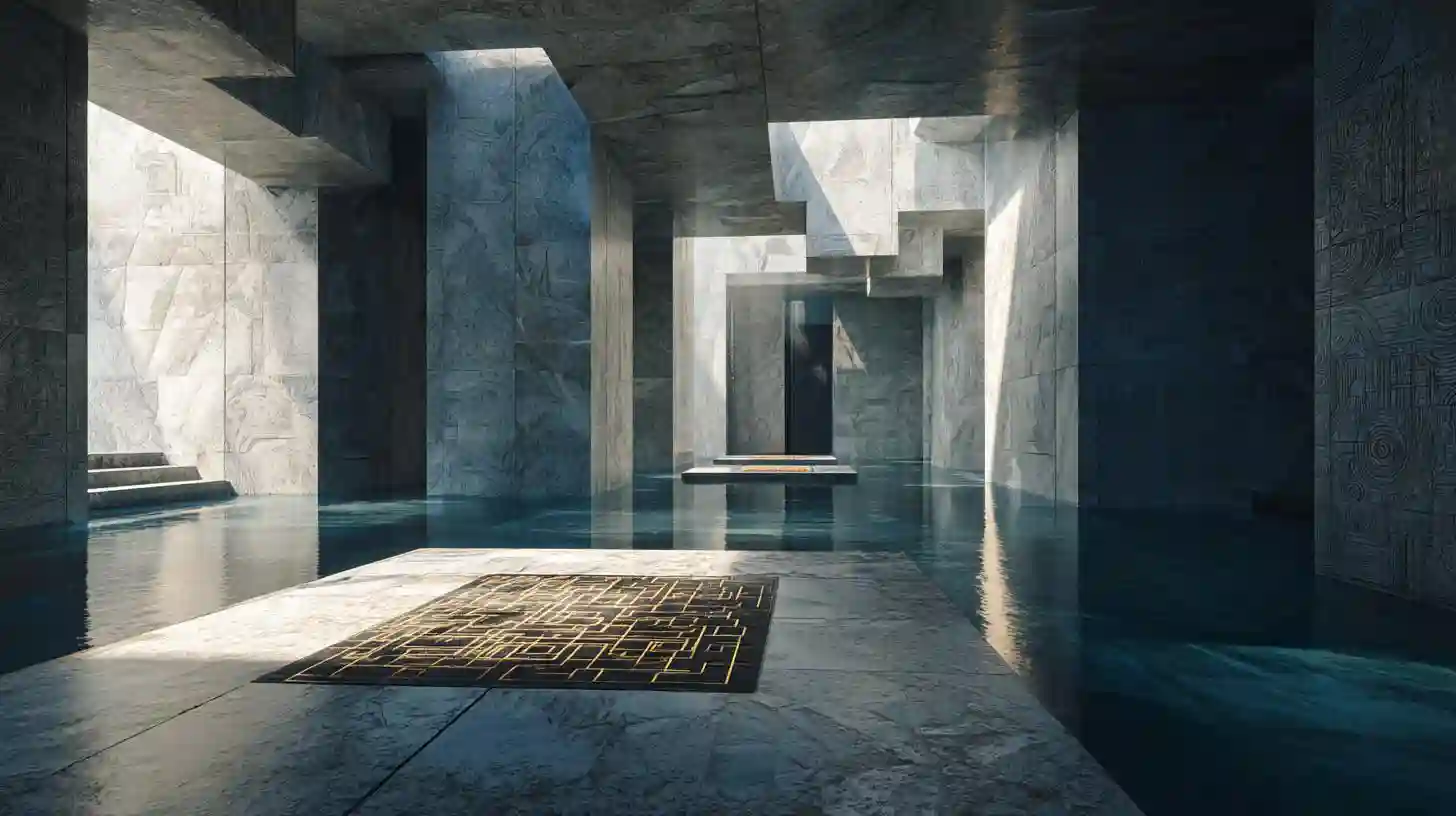
Throughout history, architecture has been more than just the creation of functional spaces; it has been a means for different cultures to express artistic vision, values, and identity. In ancient civilizations, architectural spaces were crafted not only for utility but also to demonstrate power, spirituality, and technological prowess. For instance, in ancient Egypt, monumental structures like the pyramids were not only engineering marvels but also reflections of religious beliefs, symbolizing the divine connection between pharaohs and gods. These vast, awe-inspiring structures were designed to invoke a sense of awe and transcendence, conveying the eternal power of the rulers they were built for.
In contrast, Greek and Roman architecture placed a strong emphasis on symmetry, proportion, and harmony. The use of columns, porticos, and the design of public spaces like amphitheaters reflected a cultural appreciation for the human form and the pursuit of beauty. Greek temples, with their meticulous balance and iconic forms, became enduring symbols of democracy, philosophy, and the arts. In Rome, the development of the arch and the dome allowed for the creation of more expansive and complex structures, such as the Pantheon, which not only served as a space for worship but also a canvas to explore the potential of architectural design.
As societies evolved, so did their artistic expressions in architecture. In the medieval period, European cathedrals became places of spiritual and artistic convergence, blending architecture with divine symbolism. The Gothic style, with its soaring spires and intricate stained glass windows, sought to bring the heavens closer to earth. These structures were designed to create an immersive spiritual experience, guiding worshippers through both physical and metaphysical journeys. The art of stained glass became an integral part of this, with vibrant colors and intricate patterns conveying biblical stories and spiritual truths.
The Renaissance period marked a dramatic shift in architectural thought, as it embraced classical ideals while also incorporating new humanistic perspectives. Architects like Brunelleschi and Michelangelo sought to blend art and science, creating buildings that celebrated human achievement. The construction of domed structures, such as the dome of St. Peter’s Basilica, was a testament to the fusion of artistic and technical mastery.
In Asia, the evolution of architectural spaces also mirrored cultural values. In Japan, the design of temples and shrines emphasized simplicity, balance, and harmony with nature. The traditional wooden structures, characterized by sliding doors and tatami mats, reflected a deep reverence for nature and impermanence. The Zen gardens, designed with raked gravel and strategically placed stones, became another form of spatial art, offering meditative experiences for visitors.
The modern era introduced new materials and technologies, pushing the boundaries of architectural design. Architects like Frank Lloyd Wright and Le Corbusier sought to create spaces that connected individuals with the environment. Wright’s open-plan homes and his use of natural materials emphasized a harmonious relationship between indoor and outdoor spaces, breaking down traditional architectural boundaries. Similarly, Le Corbusier’s use of industrial materials and his vision of the "Modulor" aimed to create functional, efficient spaces that would serve the needs of modern society while also promoting individual well-being.
Across cultures, architecture continues to evolve as an artistic expression that reflects changing societal values, technological advancements, and aesthetic preferences. What remains constant, however, is the ability of architectural spaces to convey meaning beyond their physical structure, offering insight into the cultural, spiritual, and intellectual pursuits of the people who create and inhabit them.