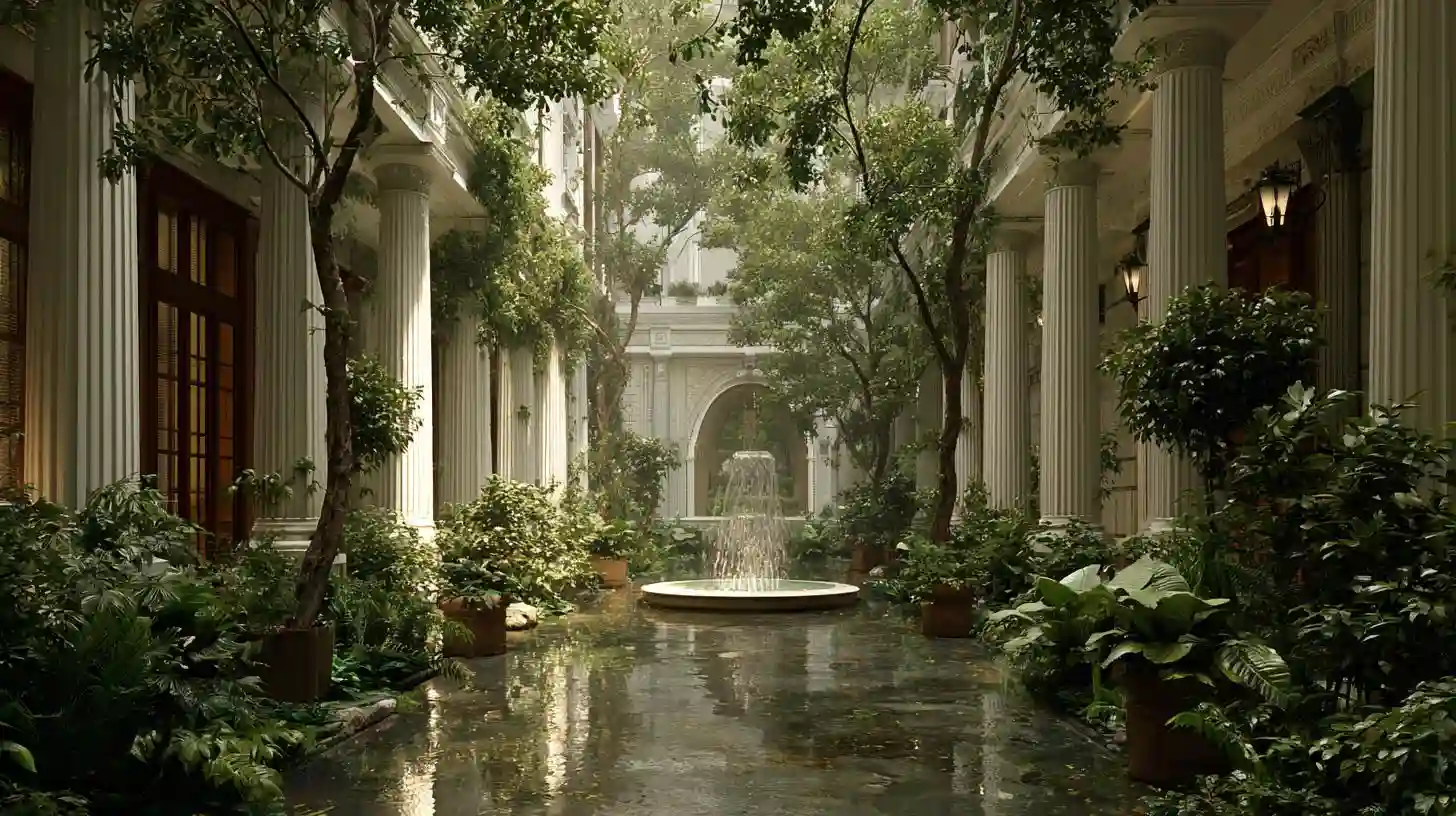
Exterior design plays a crucial role in shaping the aesthetic and functional aspects of a building while responding to environmental conditions. As weather patterns continue to evolve due to climate change, adapting the design of outdoor spaces has become increasingly important. Incorporating elements that can withstand more extreme temperatures, unpredictable storms, and shifting weather patterns is vital to ensure longevity and safety. Architects and designers now focus on selecting materials and structures that offer durability and flexibility in the face of varying climatic conditions. This might mean choosing heat-reflective surfaces or moisture-resistant materials that reduce wear over time, especially in regions where temperature extremes have become more common. Furthermore, the integration of energy-efficient elements into exterior design has gained prominence. This includes utilizing features such as solar panels, green roofs, and natural ventilation systems to reduce reliance on artificial heating and cooling. The orientation of a building and the positioning of windows and doors can help capture or block natural sunlight, ensuring interior comfort while lowering energy costs. Additionally, sustainable landscaping practices are often incorporated to mitigate the impacts of heavy rainfall, droughts, and increased temperatures. By selecting native plants that are resilient to local climate conditions, exterior spaces can thrive with minimal water and maintenance requirements. Overhanging trees or strategically placed awnings also provide shade, reducing the need for air conditioning during hot months. Another consideration is stormwater management. In areas prone to heavy rainfall or flooding, effective drainage systems and permeable surfaces allow rainwater to be absorbed, reducing the risk of damage to the property. Exterior designs that incorporate water runoff systems help prevent erosion and protect both the building and surrounding landscapes. Ultimately, exterior design is no longer just about creating visually appealing structures; it is about crafting environments that respond to and respect the challenges of our ever-changing climate. This focus on sustainability and resilience ensures that buildings remain functional and safe, regardless of how the weather shifts.