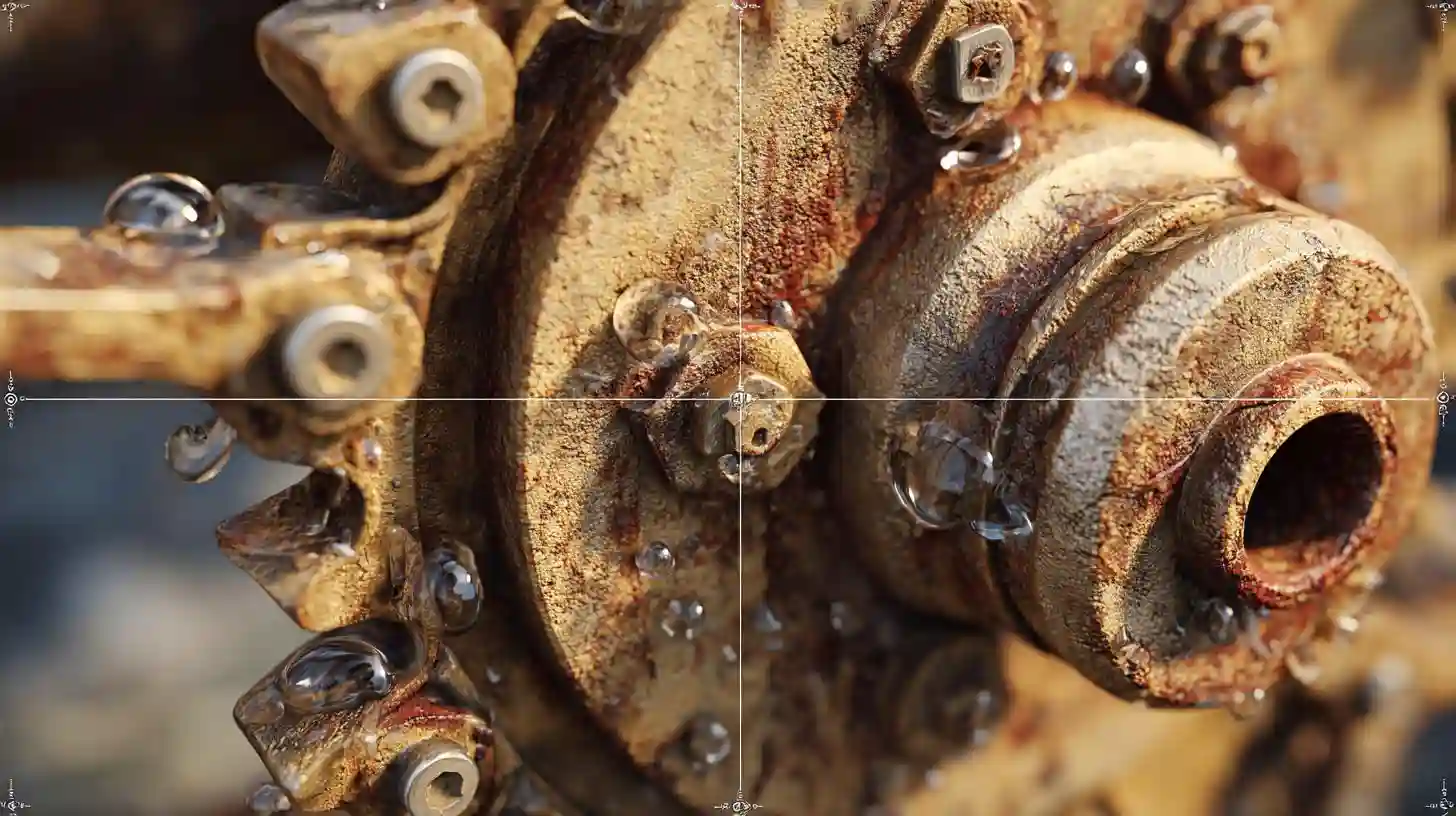
Rust is one of the most common and costly issues when it comes to maintaining metal structures and objects. The natural process of oxidation can weaken metals, causing deterioration that can be costly to repair or replace. However, sustainable practices can significantly reduce the occurrence of rust and extend the durability of metal surfaces, which benefits both the environment and economic resources.
One of the most effective sustainable practices is regular cleaning and maintenance of metal surfaces. Dirt, moisture, and other corrosive elements can accelerate the rusting process, so it’s important to clean metal items to prevent buildup. Using environmentally friendly cleaning solutions, such as natural oils or vinegar-based products, ensures that the cleaning process doesn’t harm the surrounding ecosystem. Additionally, applying protective coatings, such as rust-resistant paints or clear sealants, creates a barrier that helps keep moisture away from the metal surface. These coatings often contain natural ingredients or can be sourced from biodegradable materials, reducing the environmental impact.
Another sustainable approach involves selecting materials with natural rust resistance. Certain metals, like stainless steel, are naturally resistant to rust and can be used in construction, household items, and various industrial applications. Using these materials reduces the need for frequent repairs or replacements. In cases where metals must be treated or coated, eco-friendly, low-toxic products such as zinc-rich coatings can offer long-term protection without harmful environmental effects.
Proper storage is also key to extending the lifespan of metals. Keeping metal objects in dry and well-ventilated areas limits exposure to moisture, which is a primary contributor to rust formation. Moreover, using desiccants or moisture-absorbing materials within storage areas can further reduce humidity levels, ensuring that the metal surfaces stay dry. This method is particularly useful for tools, machinery, and items exposed to outdoor elements.
Employing these practices in daily life or in industrial settings can greatly reduce the impact of rust and significantly extend the useful life of metal items. With careful attention to cleaning, material selection, coating, and storage, metal durability can be maintained in an environmentally responsible way, contributing to both sustainability and cost savings.