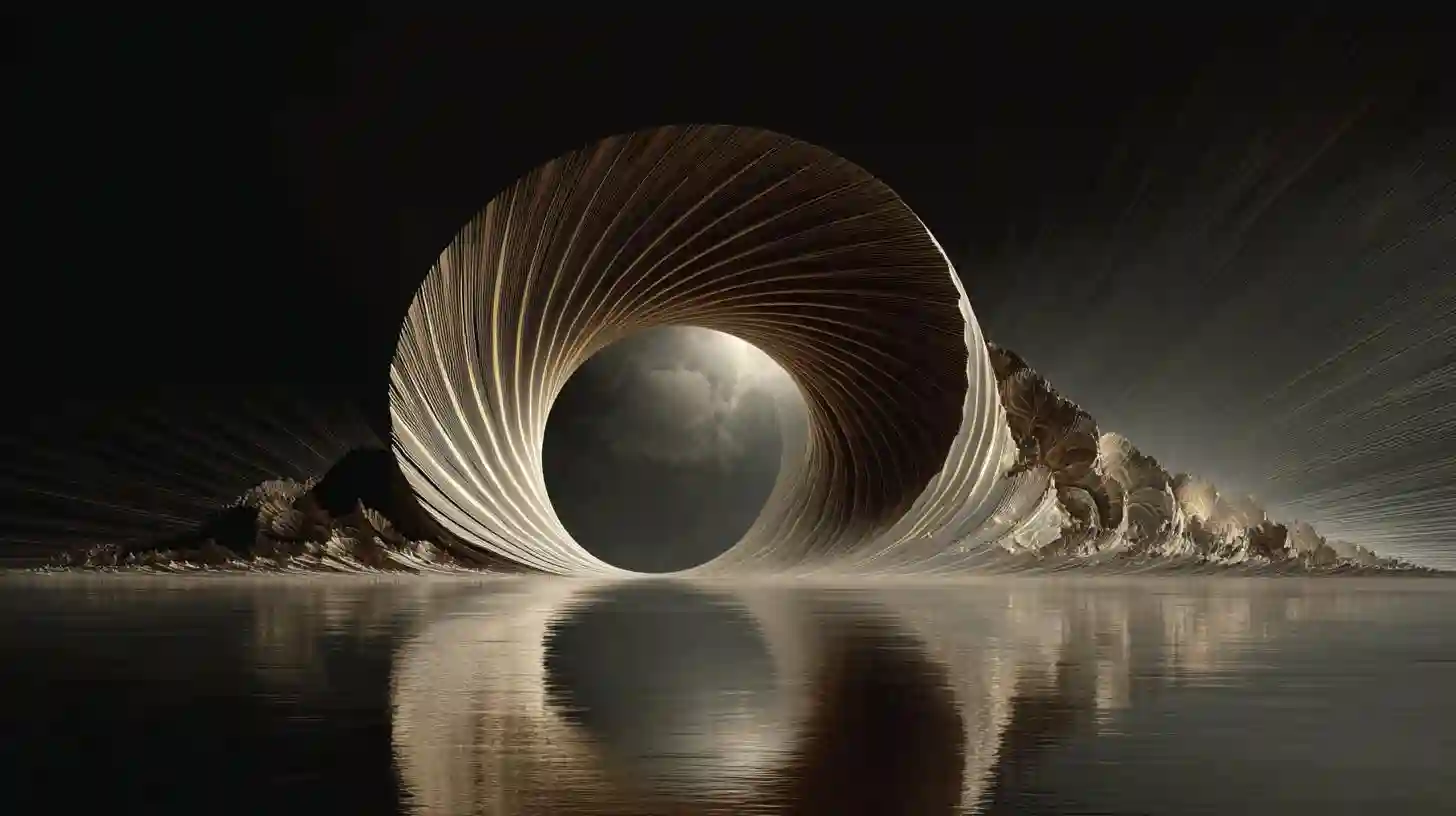
Impermanence is a concept that plays a profound role in art, shaping the way artists approach their work and influencing how viewers experience it. The transitory nature of life, the fleeting moments captured within a piece, and the inevitable decay that accompanies all things are central themes that echo through various forms of artistic expression. Artists often engage with impermanence as a tool to evoke deep emotional responses from their audience. Whether it is through the use of temporary materials, the capture of a moment in time, or the exploration of themes like mortality, decay, and change, impermanence adds a layer of depth that resonates with human experience.
The emotional impact of impermanence in art is multifaceted. It can provoke a sense of nostalgia, as viewers are reminded of moments that have passed and will never return. This evocation of time's passage often stirs feelings of longing or loss, creating a connection between the artwork and the viewer's personal experiences. At the same time, impermanence can evoke a sense of beauty in the transient, celebrating the fragility of existence. The awareness that the artwork will eventually fade, crumble, or decay mirrors the inevitability of all things in life, reminding viewers of the preciousness of the present moment.
In some art forms, impermanence becomes an integral part of the creative process. The use of ephemeral materials, such as sand, ice, or flowers, ensures that the artwork is temporary, mirroring the cycle of life itself. These pieces are meant to be experienced in the moment, with their eventual disappearance becoming an essential part of the meaning they convey. Even in more traditional forms, such as painting or sculpture, the theme of impermanence can be expressed through subject matter that reflects the passage of time, such as aging figures or crumbling ruins. In this way, impermanence becomes not just a concept, but a tool for deepening the emotional resonance of the work.
The role of impermanence in art is not limited to creating sadness or a sense of loss. It also allows for a greater appreciation of the beauty that exists in moments of change. Art that reflects the transient nature of life challenges us to reconsider our own understanding of time, urging us to embrace the fleeting moments that often pass unnoticed. It encourages a deeper engagement with the world around us, as we learn to find beauty in the impermanent and appreciate the ever-changing nature of existence. Through this lens, impermanence becomes an essential force in art, adding emotional complexity and inviting viewers to reflect on the deeper meanings behind what they see.