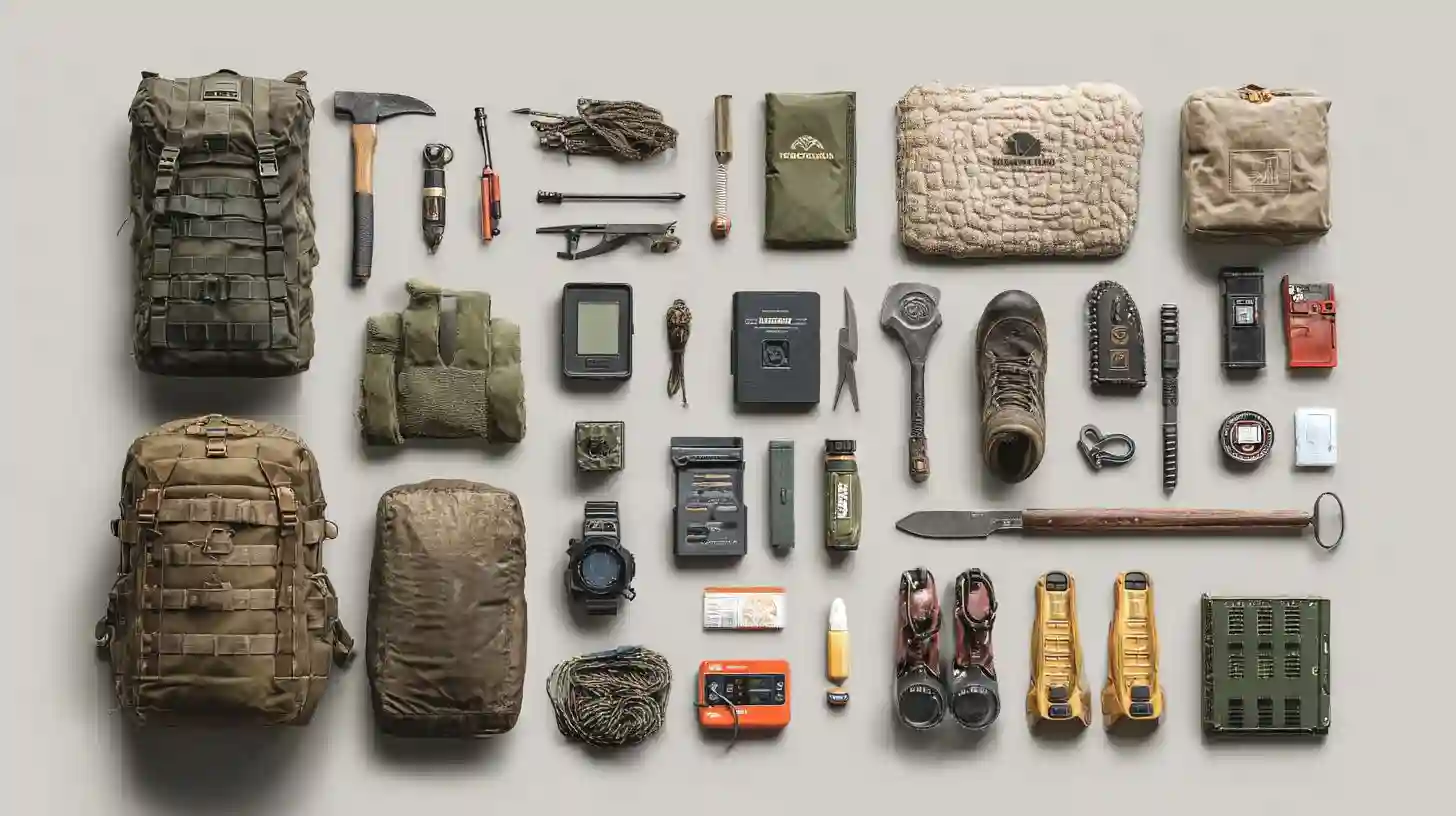
When venturing into remote areas, having the right survival gear is crucial. A well-prepared survival kit ensures that you can handle unexpected situations, from adverse weather to potential injuries. One of the first items to consider is a reliable knife. A sharp, multi-purpose knife serves various functions, from cutting firewood to preparing food and even building shelter. A durable, fixed-blade knife is often preferred over folding knives for its strength and versatility.
In any survival situation, fire is essential. A fire-starting tool, such as a flint and steel, waterproof matches, or a fire starter, will help you ignite a flame even in wet conditions. Fire provides warmth, allows you to cook food, and can signal for help. In addition to fire, a compact, lightweight shelter is another must-have. A tarp or emergency bivy bag is easy to pack and can be set up quickly to protect you from the elements. It’s important to stay dry and shielded from wind and rain to prevent hypothermia.
A good water filtration system is vital when traveling through remote areas. It’s unlikely that you’ll always have access to clean water, so carrying a portable water filter or purification tablets ensures you can safely drink from streams, lakes, or rivers. Along with water purification, an adequate supply of food is necessary for long-term survival. Energy bars, dehydrated meals, or freeze-dried food are lightweight and have a long shelf life, making them excellent options for remote expeditions.
Navigation tools are indispensable when exploring unfamiliar terrain. A compass and map, along with a GPS device, will help you orient yourself and track your location. It’s important to know how to use these tools effectively, as getting lost can be life-threatening. Additionally, a first aid kit should always be part of your gear. Having basic medical supplies, such as bandages, antiseptics, and pain relievers, will help you treat minor injuries or prevent infections until professional help arrives.
Other essential tools include a multi-tool with pliers, screwdrivers, and scissors, a flashlight with extra batteries, and a whistle to signal rescuers. Depending on the environment, extra clothing layers, such as thermal underwear or a rain jacket, may be necessary to stay warm and dry. With these tools, you’ll be better equipped to survive in remote areas, whether you're hiking, camping, or engaging in an emergency situation. Being prepared increases your chances of not only surviving but thriving in challenging environments.