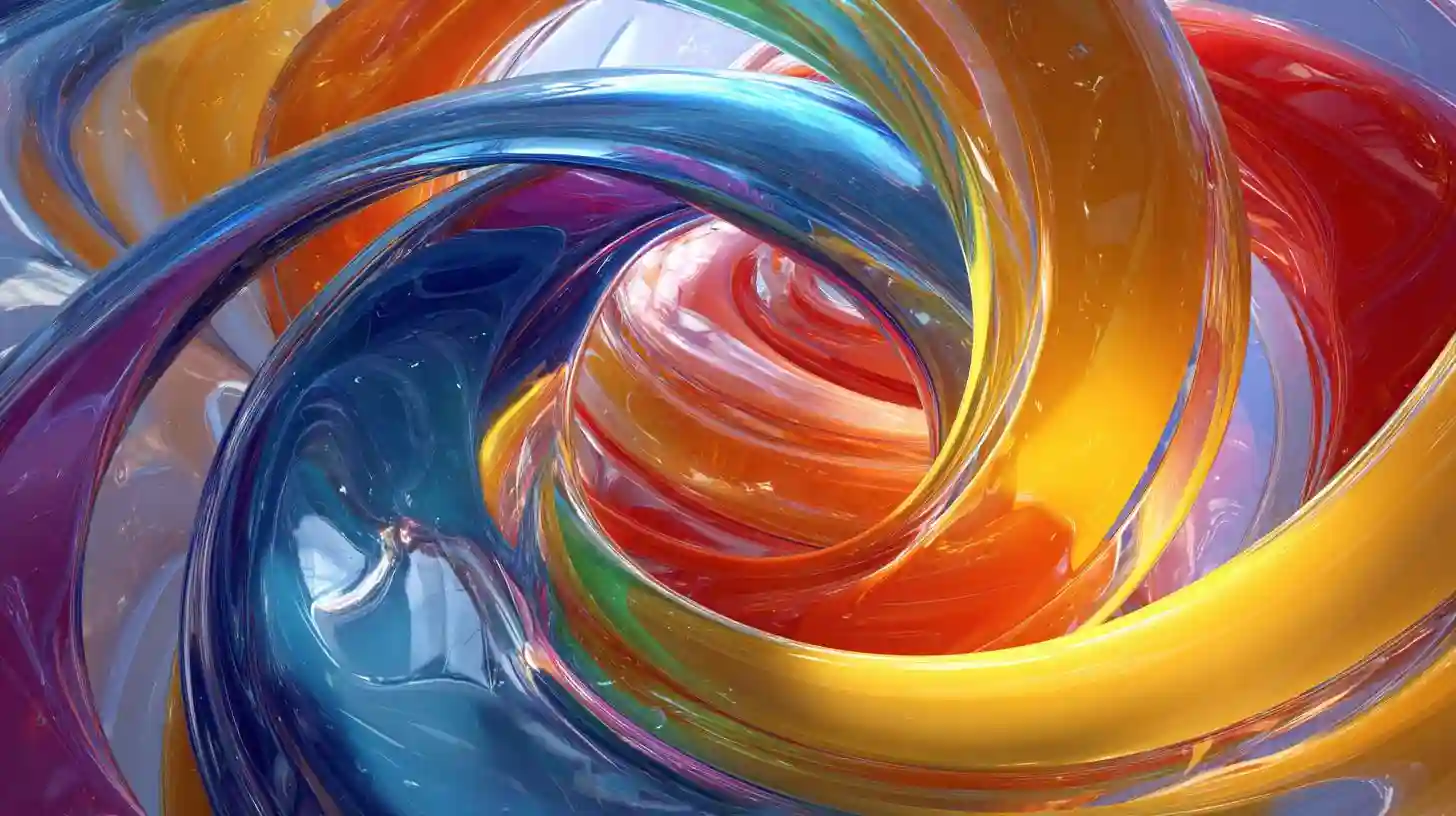
Vibrant colors have long been an essential element in the world of modern art, serving as a powerful tool to evoke emotions, challenge perceptions, and engage viewers in a deeper interaction with the work. Artists have embraced bright hues to communicate more than just visual aesthetics; they use color to express moods, convey symbolic meanings, and explore the boundaries between reality and abstraction. The use of vibrant colors can create a sense of energy, excitement, and intensity, transforming a simple piece of art into a dynamic experience for the audience.
Color theory, which examines how colors interact and influence perception, plays a crucial role in the effectiveness of vibrant colors in modern art. Artists often experiment with contrasting colors, such as bright reds against deep blues, to generate visual tension or harmony. This interplay of colors allows for the creation of visual pathways that guide the viewer's eye, while also encouraging emotional responses. A well-chosen palette can evoke feelings ranging from joy and enthusiasm to tension and unease, making the artwork not just something to look at but something to feel.
In addition to evoking emotion, vibrant colors also reflect the cultural and social movements of their time. For instance, the rise of abstract expressionism in the mid-20th century saw artists like Jackson Pollock and Mark Rothko utilize bold, vibrant colors to convey complex psychological and existential themes. These colors were not just decorative; they were integral to the artist’s attempt to communicate with the viewer on a primal, emotional level.
The influence of vibrant colors in modern art extends beyond traditional painting. In sculpture, installations, and digital media, the use of bold, vivid colors can create striking contrasts and highlight particular elements of the piece. The saturation of color, whether applied to physical surfaces or digital canvases, enhances the ability of art to capture attention and stir the imagination.
Art movements such as pop art, led by figures like Andy Warhol, heavily relied on vibrant colors to make a statement about consumerism, mass media, and the commodification of culture. The bold use of primary colors in Warhol's works, alongside his iconic repetition of images, transformed everyday objects into objects of art, challenging the viewer to reconsider the value placed on visual imagery in modern society.
Through the strategic use of vibrant colors, artists in the modern era have revolutionized the way we perceive and experience art. The impact of color, with its emotional and psychological depth, has contributed to a deeper understanding of human expression and the diverse ways in which art can communicate. The vibrant palette employed by artists continues to inspire, provoke, and captivate audiences around the world.