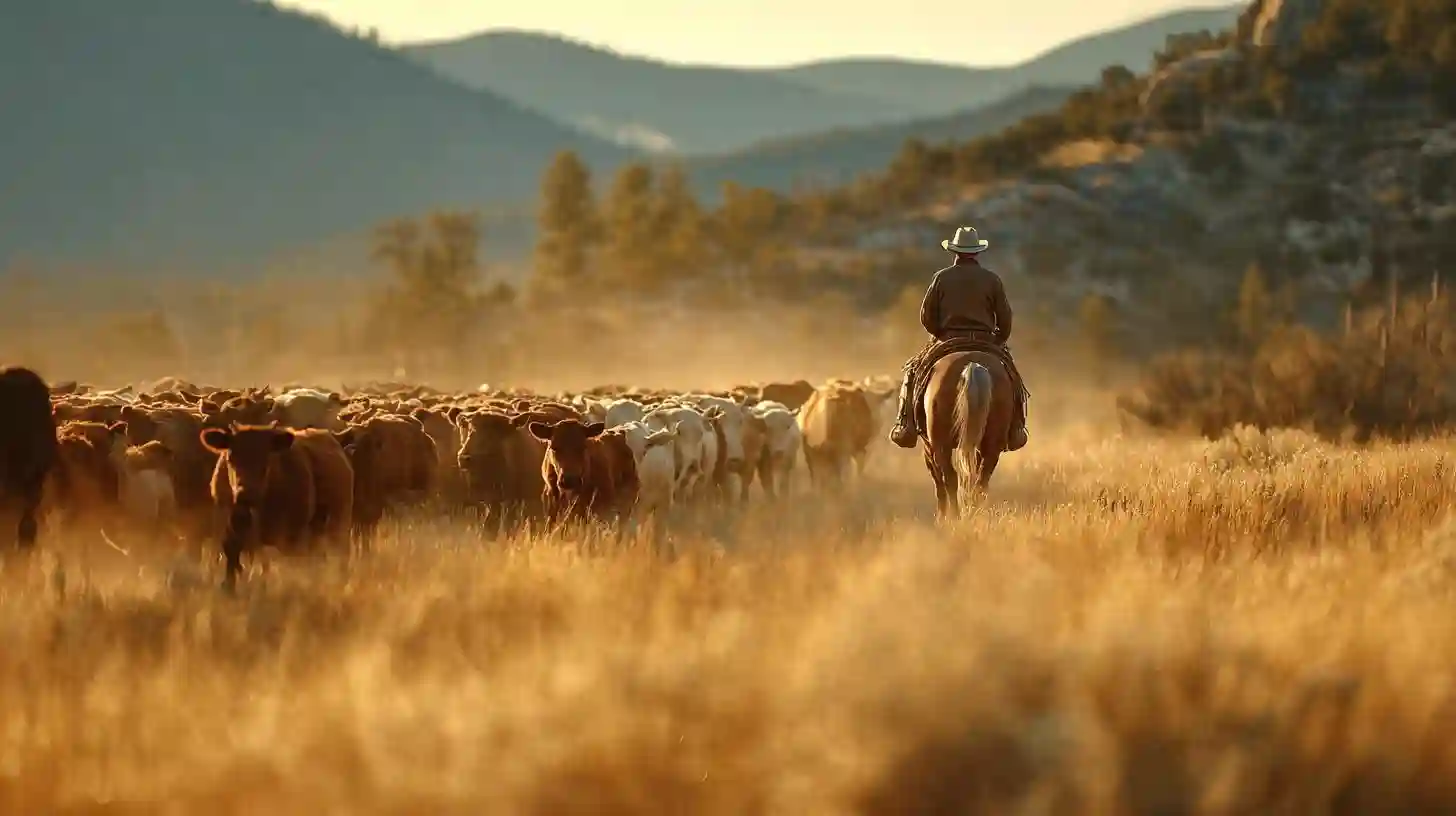
Sustainable ranching practices have become a crucial aspect of preserving both the environment and the cultural traditions of the American West. For generations, ranching has been a cornerstone of life in the western United States, shaping the region's identity and economy. The shift toward sustainability within this sector aims to balance the needs of the land, animals, and ranching families while maintaining the integrity of western traditions. These practices involve thoughtful land management, including rotational grazing, water conservation, and maintaining biodiversity, all of which help ensure that the land remains healthy for future generations.
Rotational grazing is one of the most significant sustainable practices, as it allows the land to recover between grazing periods. This method reduces soil erosion, promotes healthier plant life, and improves water retention. When managed correctly, it can even lead to an increase in soil fertility, benefiting both the livestock and the ecosystem. The careful stewardship of grazing lands reflects a deep respect for the natural world, a value that has long been embedded in western ranching culture. Many ranchers view themselves as caretakers of the land, understanding that their livelihoods depend on the land’s ability to regenerate and thrive.
Water conservation is another critical aspect of sustainable ranching. With the West facing frequent droughts and water scarcity, efficient water use has become essential. This includes practices such as rainwater harvesting, using efficient irrigation systems, and preserving riparian areas that provide natural water sources. By reducing water waste and increasing the availability of clean water, ranchers contribute to the resilience of local ecosystems and the continuation of ranching in the region.
Biodiversity plays a vital role in sustainable ranching. Maintaining diverse plant and animal species helps preserve the ecological balance of the land. It also ensures that ranches remain productive and resilient, capable of withstanding environmental challenges like pests, diseases, and climate change. This emphasis on biodiversity is in line with the longstanding traditions of the American West, where ranchers have often worked in harmony with the land to maintain a balance between production and conservation.
These sustainable practices not only enhance the environmental health of the land but also influence western traditions in profound ways. As ranching families adopt these methods, they are reinterpreting age-old values such as respect for nature, hard work, and community. By embracing sustainability, they are ensuring that future generations will continue to uphold the rich traditions of the American West while contributing to the global effort to protect the planet.