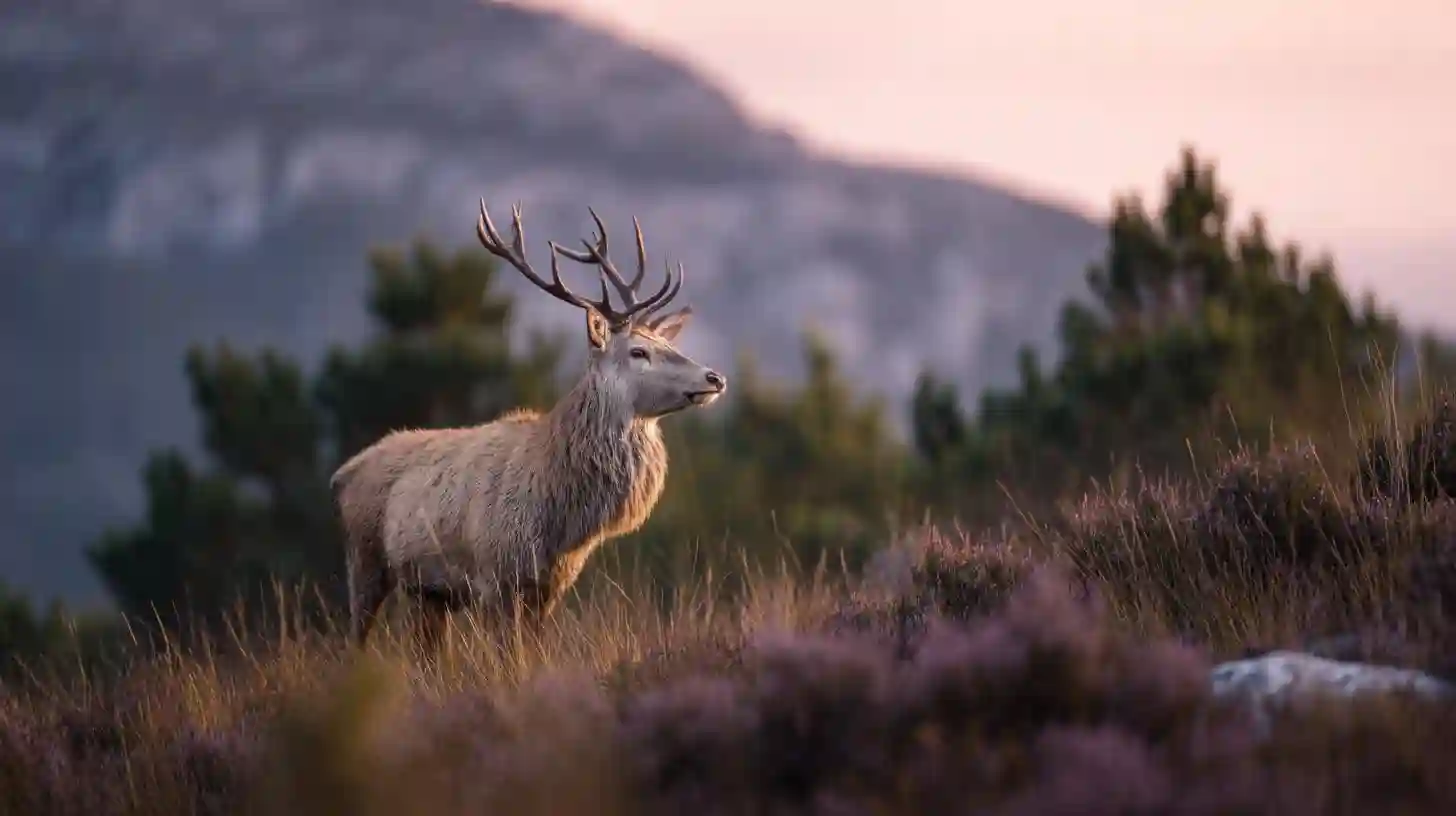
Red deer, one of the most iconic species of large mammals, require ongoing conservation efforts to ensure their survival in their natural habitats. These majestic animals are found in a variety of environments, from the dense woodlands of Europe to the open forests of Asia. Their adaptability has allowed them to survive in diverse climates, but increasing human activity and habitat destruction continue to threaten their populations.
A major focus of red deer conservation is the protection of their natural habitats. Forests, woodlands, and grasslands provide the essential resources needed for their survival, including food, shelter, and breeding grounds. As human development encroaches on these areas, habitat fragmentation becomes a serious issue. Conservationists work to create wildlife corridors that allow red deer to move safely between fragmented habitats, ensuring access to the resources they need to thrive. Preserving these habitats often involves working with local communities to promote sustainable land use practices that balance human needs with wildlife preservation.
In addition to habitat protection, red deer populations face threats from illegal hunting and poaching. Despite hunting regulations in many areas, poaching remains a concern. To combat this, wildlife law enforcement agencies work closely with conservation organizations to monitor red deer populations and enforce hunting laws. Anti-poaching patrols, the use of modern technology such as drones and camera traps, and the establishment of protected areas all contribute to reducing the risks of illegal hunting.
Another significant challenge to red deer conservation is disease. Diseases such as chronic wasting disease and other infections can decimate populations if not properly managed. Conservationists monitor the health of red deer populations, conducting regular health checks and ensuring that any outbreaks are swiftly contained. In some cases, controlled culling of affected individuals is necessary to prevent the spread of disease to the wider population.
Red deer conservation also involves educating the public about the importance of preserving these animals and their habitats. Through outreach programs, wildlife documentaries, and community events, the general public is encouraged to participate in conservation efforts. This could involve supporting wildlife reserves, volunteering with conservation organizations, or simply spreading awareness about the importance of protecting natural ecosystems.
Through combined efforts in habitat preservation, anti-poaching measures, disease control, and public education, red deer populations can continue to thrive in their natural environments. As their habitats are safeguarded and their numbers are managed responsibly, the majestic presence of red deer will endure for generations to come.