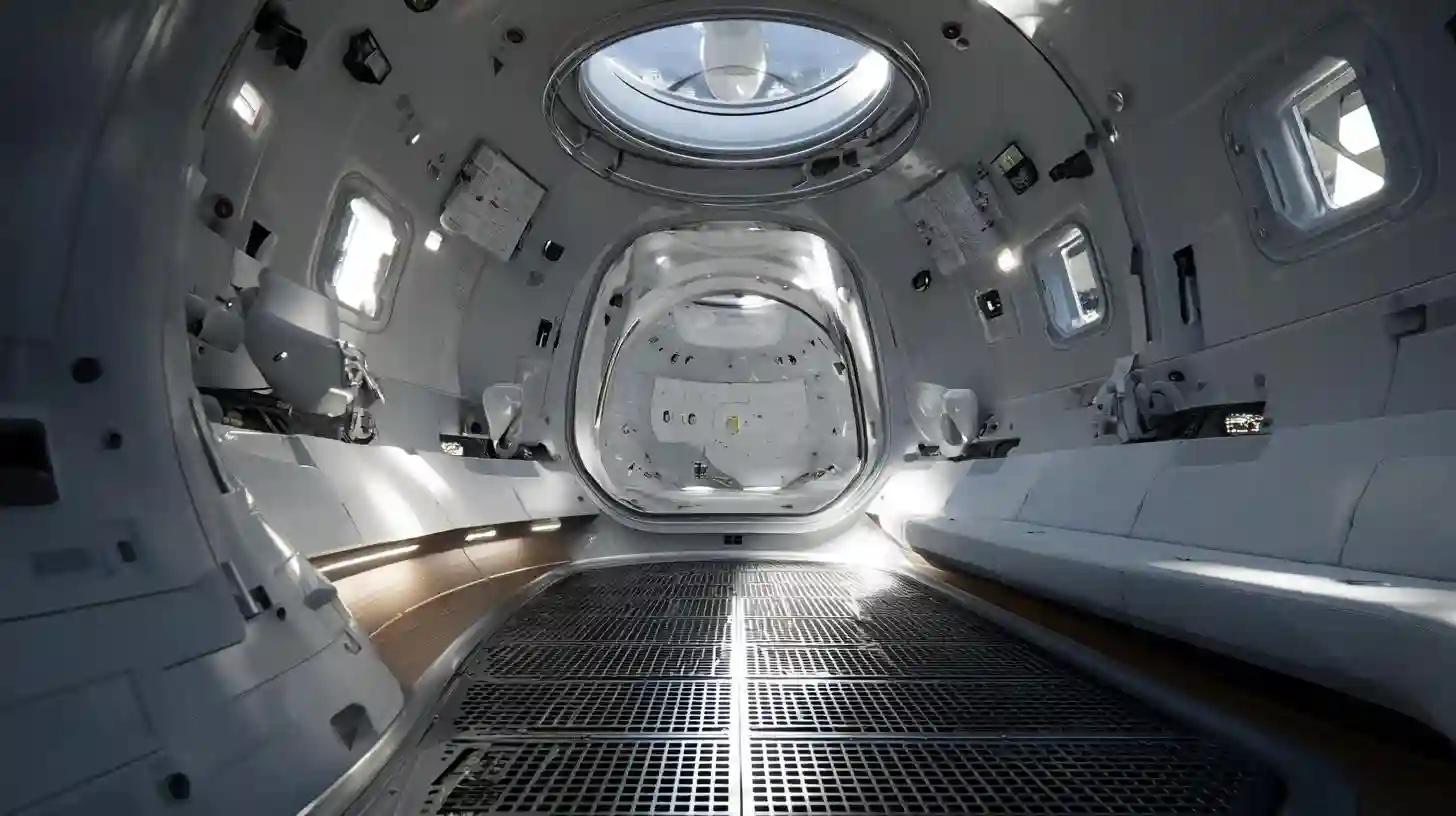
Spacecraft design has evolved tremendously over the past few decades, with a significant focus now on enhancing crew comfort during long-duration missions. As space exploration progresses, human beings are venturing farther into the cosmos, necessitating innovations that prioritize the well-being of astronauts. These advancements address not only the harsh environment of space but also the psychological and physical demands of living in confined, weightless conditions for extended periods.
One major innovation is the development of more ergonomic spacecraft interiors. Traditional spacecraft were designed for functionality, with little thought given to comfort. However, as missions stretch from months to potentially years, it has become clear that astronauts need environments that allow them to move, rest, and function efficiently. Companies and agencies are now designing seats, control panels, and storage systems that can adjust to various body types and allow astronauts to maintain proper posture during long shifts. These new designs provide better support for the spine, neck, and limbs, which is especially important in zero-gravity conditions where muscles and bones can weaken without proper support.
Another key aspect of crew comfort is the improvement of living quarters. Earlier spacecraft were cramped and lacked the privacy necessary for mental well-being. Modern spacecraft are being designed with modular habitats that allow for more space and autonomy. These habitats offer designated areas for sleeping, eating, and exercising, and incorporate soundproofing materials to minimize noise. There is also a greater focus on natural lighting, with adjustable lighting systems to mimic the day-night cycle, which helps regulate astronauts’ circadian rhythms and reduces the effects of isolation.
Health and hygiene are also critical areas of innovation. Spacecraft are now equipped with more advanced waste management systems, providing astronauts with cleaner, more efficient ways to deal with human waste. The introduction of more sophisticated water recycling technologies ensures that astronauts always have access to clean drinking water, which is vital for maintaining health over extended periods. Additionally, the integration of exercise equipment, such as treadmills and resistance bands, helps astronauts maintain their physical health by combating the effects of muscle atrophy and bone density loss that occur in microgravity environments.
On the psychological side, the inclusion of entertainment and communication tools has become a priority. Astronauts can now stay in touch with family and friends via video calls, reducing the feeling of isolation. Virtual reality (VR) systems are also being tested to provide astronauts with immersive experiences, such as virtual walks on Earth or visits to virtual destinations, giving them an escape from the monotony of space.
By focusing on these elements, spacecraft are transforming from utilitarian machines into more human-centered environments, ensuring that astronauts can endure the physical and mental stresses of space exploration with greater comfort and efficiency. These innovations are not just about luxury but are essential for the success of future space missions, especially as we look toward deep space exploration and the possibility of missions to Mars.