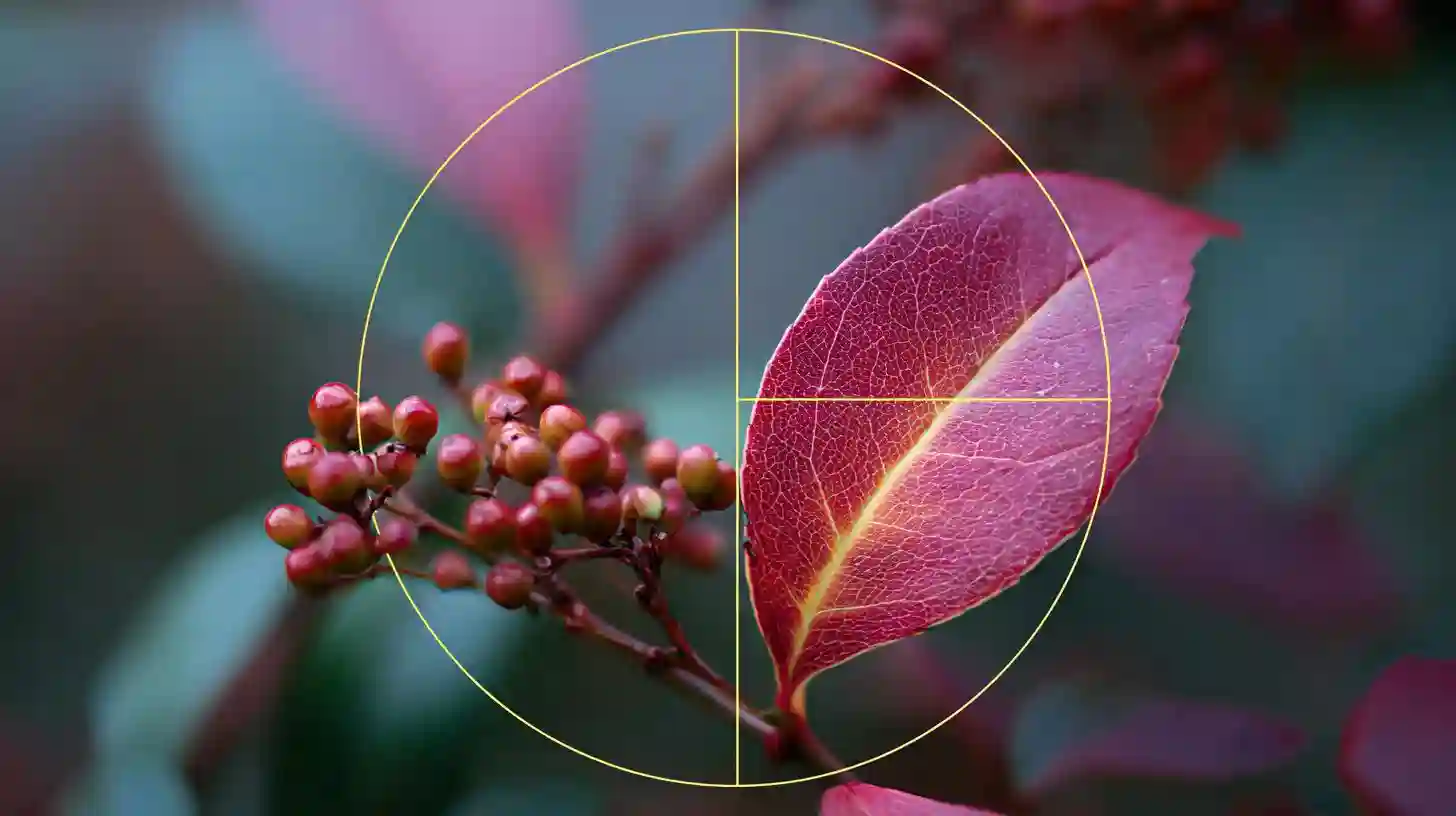
Leaf color change is a fascinating natural phenomenon that occurs as trees and plants transition from the vibrant greens of summer to the warm hues of autumn. This transformation is influenced by several factors, but in recent years, it has become increasingly tied to the effects of climate change. Normally, leaves turn red, yellow, or orange as the temperatures drop, signaling the end of the growing season. This color change occurs when chlorophyll, the green pigment responsible for photosynthesis, breaks down and other pigments like carotenoids and anthocyanins become more prominent. However, climate change is altering the timing and intensity of this process in significant ways.
Warmer temperatures are causing trees to hold onto their chlorophyll for longer, delaying the onset of the color change. As a result, many regions are experiencing later autumns with trees still exhibiting green leaves well into the fall. In some areas, the shift to autumn is becoming less pronounced, with fewer vibrant colors appearing as trees either stay green or show muted colors. Moreover, the increase in extreme weather events such as droughts or erratic rainfall patterns is putting additional stress on plants. Stress factors like these can cause premature leaf drop or result in leaves changing color more quickly than usual, making the transition less dramatic.
The connection between leaf color change and climate change is also reflected in the geographical distribution of tree species. As temperatures rise, some species are moving northward or to higher altitudes in search of cooler environments. This shift in habitats may lead to changes in the types of trees that dominate landscapes and, consequently, the color displays seen each autumn. Furthermore, research has shown that the amount of sunlight and the timing of first frosts also play a role in how quickly and vividly leaves change color, all of which are influenced by shifting climate patterns.
Overall, the way leaves change color has become another marker of the broader environmental changes caused by climate disruption. While these color transformations remain a beautiful part of nature’s cycle, they are increasingly becoming an indicator of how the planet's ecosystems are responding to a warming world. The beauty of autumn foliage, once a predictable event, is now subject to the unpredictable forces of a changing climate.