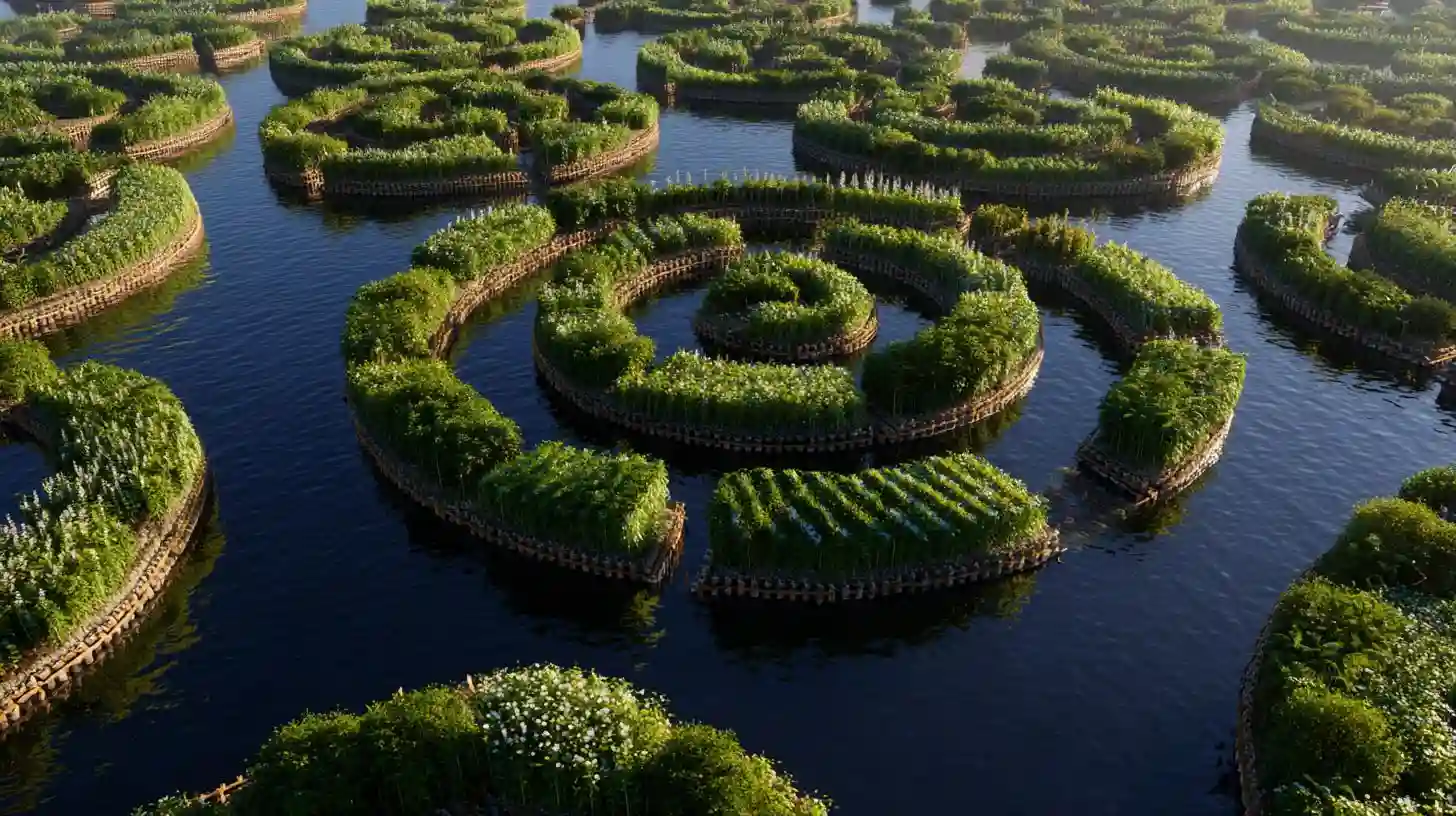
Sustainable practices in flower farming play a vital role in supporting biodiversity by fostering ecosystems that can thrive alongside agricultural activity. By avoiding excessive chemical use, farmers create environments where pollinators such as bees, butterflies, and other insects can flourish, which is essential for the reproduction of many plant species. Crop rotation and the integration of native plant species further enhance habitat diversity, allowing a variety of flora and fauna to coexist in cultivated areas. Soil health is also preserved through techniques such as composting, reduced tillage, and cover cropping, which maintain the natural microbial communities that are critical for nutrient cycling and plant resilience. These methods prevent soil degradation and erosion, supporting a broader range of organisms both above and below the ground. Water management practices that emphasize rainwater harvesting, efficient irrigation systems, and the protection of nearby wetlands contribute to the maintenance of aquatic and riparian species, ensuring that water sources remain clean and biologically rich. Pollinator-friendly planting strategies, including flower strips and hedgerows, provide feeding and nesting opportunities that sustain populations of insects, birds, and small mammals. By minimizing monoculture practices and promoting polycultures, flower farms increase structural complexity, which benefits predator-prey dynamics and reduces vulnerability to pests without heavy reliance on synthetic chemicals. The careful management of garden waste and plant residues also encourages decomposer organisms, fostering nutrient cycles that support biodiversity. Implementing agroforestry elements such as interspersed shrubs or small trees within flower fields creates additional vertical layers of habitat, further supporting bird species and other wildlife. Emphasizing local and seasonal flower varieties reduces pressure on wild populations and prevents the displacement of native species, while responsible sourcing of seeds and cuttings ensures that genetic diversity is maintained. Collectively, these practices not only enhance the ecological stability of flower farms but also contribute to the broader preservation of biodiversity across surrounding landscapes.