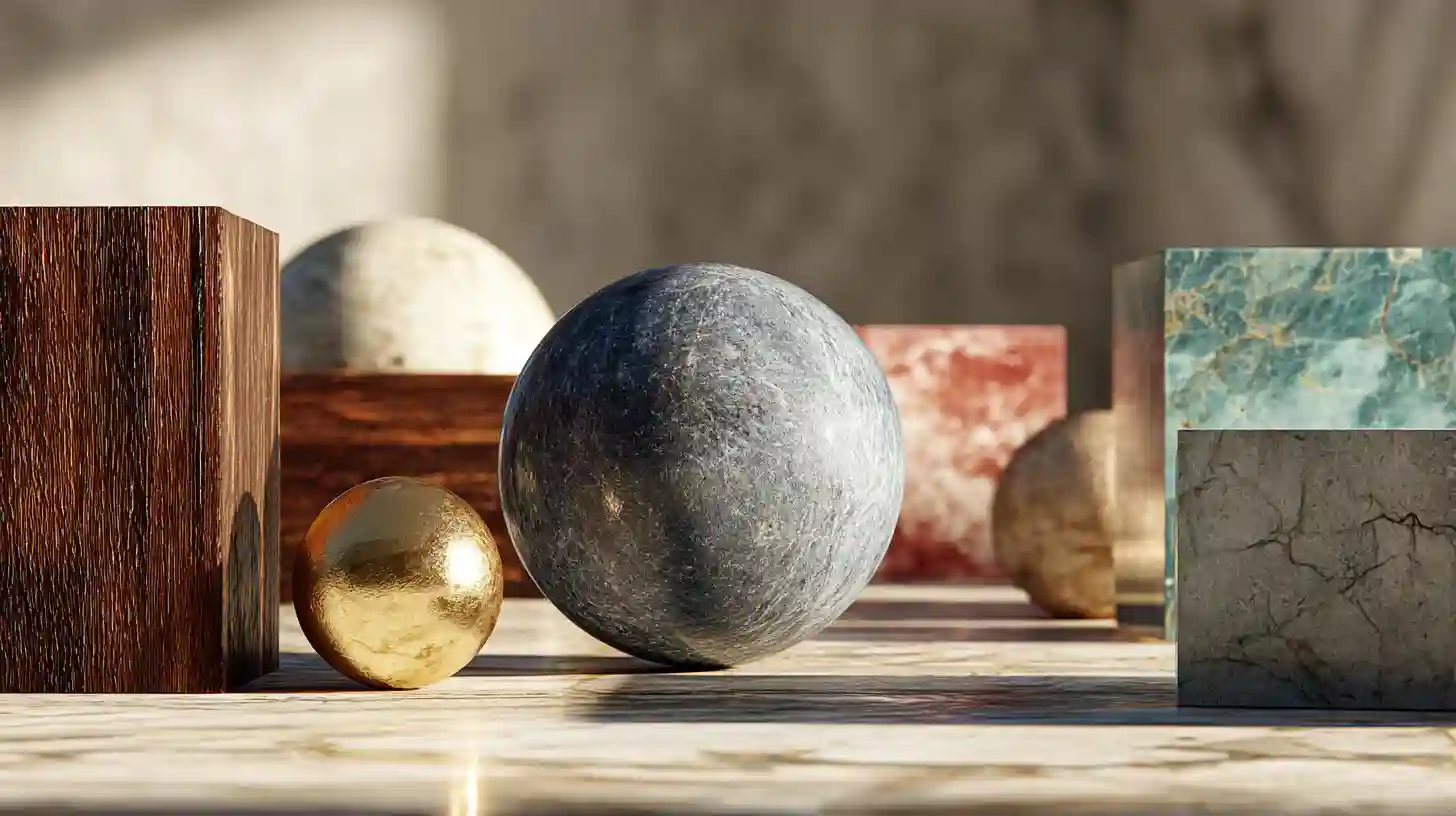
Mixing materials such as wood, metal, and glass in furniture design has become increasingly popular, creating pieces that combine beauty, functionality, and a modern aesthetic. Each material brings its unique qualities to the table, offering both contrast and harmony when combined effectively. Wood is often chosen for its warmth, texture, and natural appeal. It has an ability to add richness to any room, whether used as the primary structure or as a subtle accent. Wood furniture tends to evoke a sense of comfort and timelessness, making it a staple in homes and offices alike. When paired with metal, wood gains a contemporary edge, balancing the natural with the industrial. Metal, whether it's steel, iron, or aluminum, brings a sleek, minimalist look and durability that wood alone cannot offer. The combination of these two materials creates a striking contrast, with the soft, organic qualities of wood complementing the cold, sleek lines of metal. The infusion of glass into the mix further enhances this design by introducing transparency and lightness. Glass elements can be used for tabletops, shelves, or inserts, offering an airy, open feel that prevents the space from feeling too heavy. Glass works particularly well in pieces that feature intricate metal frames or are made from dense wood, as it lightens the overall look and creates a sense of balance. Together, wood, metal, and glass form a trio of materials that offer endless design possibilities. These combinations allow for the creation of furniture that is both functional and visually striking, whether in a contemporary setting or a more traditional environment. The key to success lies in how the materials are balanced, with each element playing its role in contributing to the overall style and purpose of the piece.