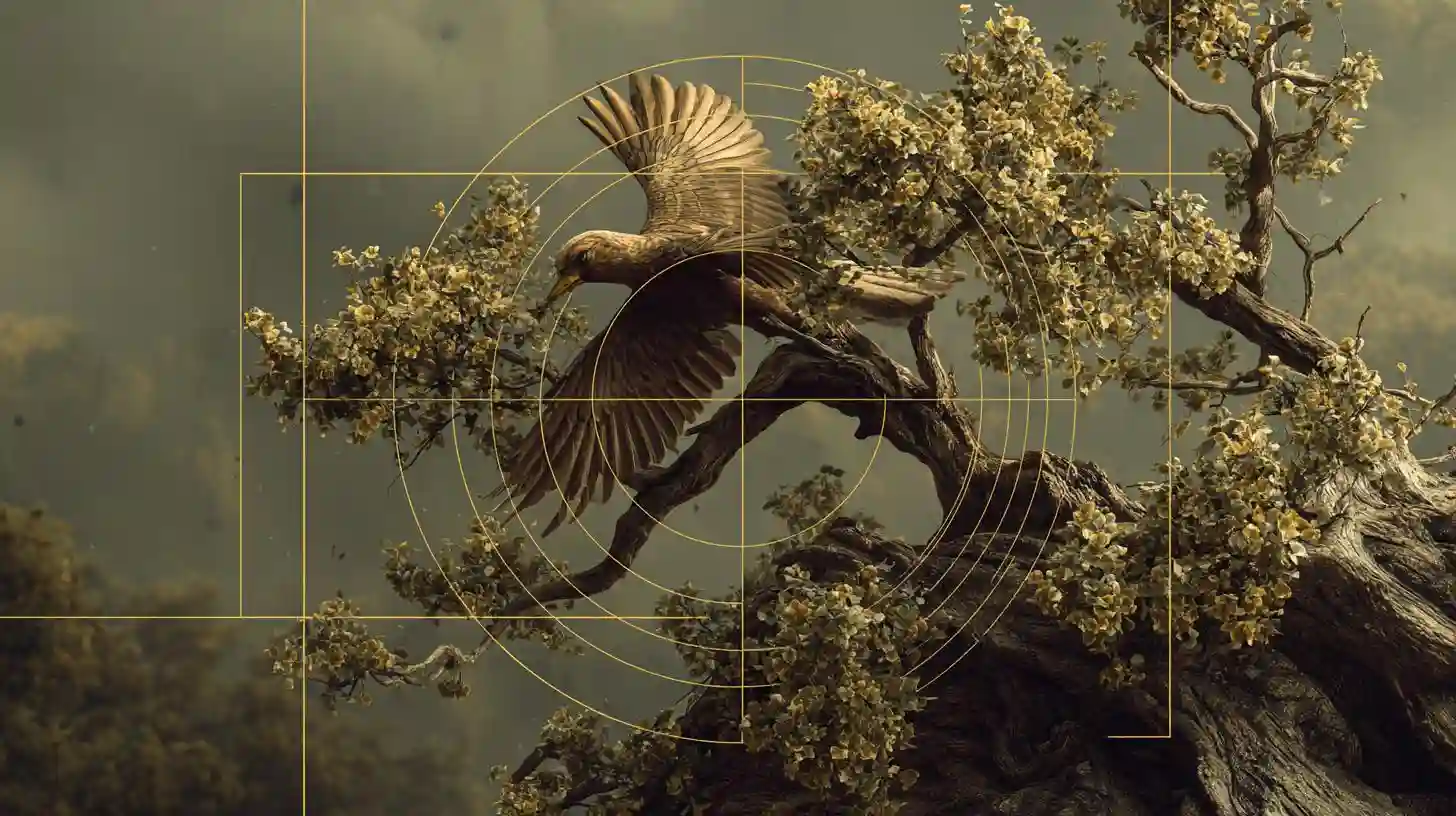
Romanticism, a cultural and artistic movement that emerged in the late 18th century, is often closely associated with a deep and passionate relationship with nature. The movement emphasized the power of emotions, individual experience, and the sublime beauty found in the natural world. For the Romantics, nature was not just a backdrop for human existence, but a central theme that influenced their artistic expressions and philosophical thoughts. They viewed the natural world as a source of inspiration, spiritual renewal, and a direct reflection of human emotion. Writers, poets, and artists often portrayed nature as a force that transcended human understanding, offering a sense of awe and mystery. The beauty of mountains, forests, and oceans symbolized the vastness of the universe, while the unpredictability and power of natural phenomena were seen as manifestations of the sublime, an emotion that blended terror and wonder. This fascination with nature led many Romantic artists to depict the untamed wilderness in their works, portraying landscapes in their most raw and unrefined forms. For instance, the works of poets such as William Wordsworth and Samuel Taylor Coleridge captured the quiet and peaceful aspects of nature, while also exploring its more dangerous and overwhelming qualities. Their writings reflected a deep reverence for the natural world, seeing it as a place of solace and healing. Similarly, artists like J.M.W. Turner and Caspar David Friedrich used nature to convey the inner emotional states of their subjects, blending human experience with the forces of the natural environment. The Romantics’ emphasis on nature also had a political dimension. Many saw the encroachment of industrialization as a threat to the natural world, which they believed had a vital role in preserving humanity's connection to deeper spiritual truths. This connection between nature and the individual became a central aspect of Romantic ideology, leading to a critique of urbanization, technology, and the rationalization of life. Through their reverence for the natural world, the Romantics sought to revive a more intuitive and emotional understanding of human existence, one that was rooted in the earth itself and its awe-inspiring beauty.