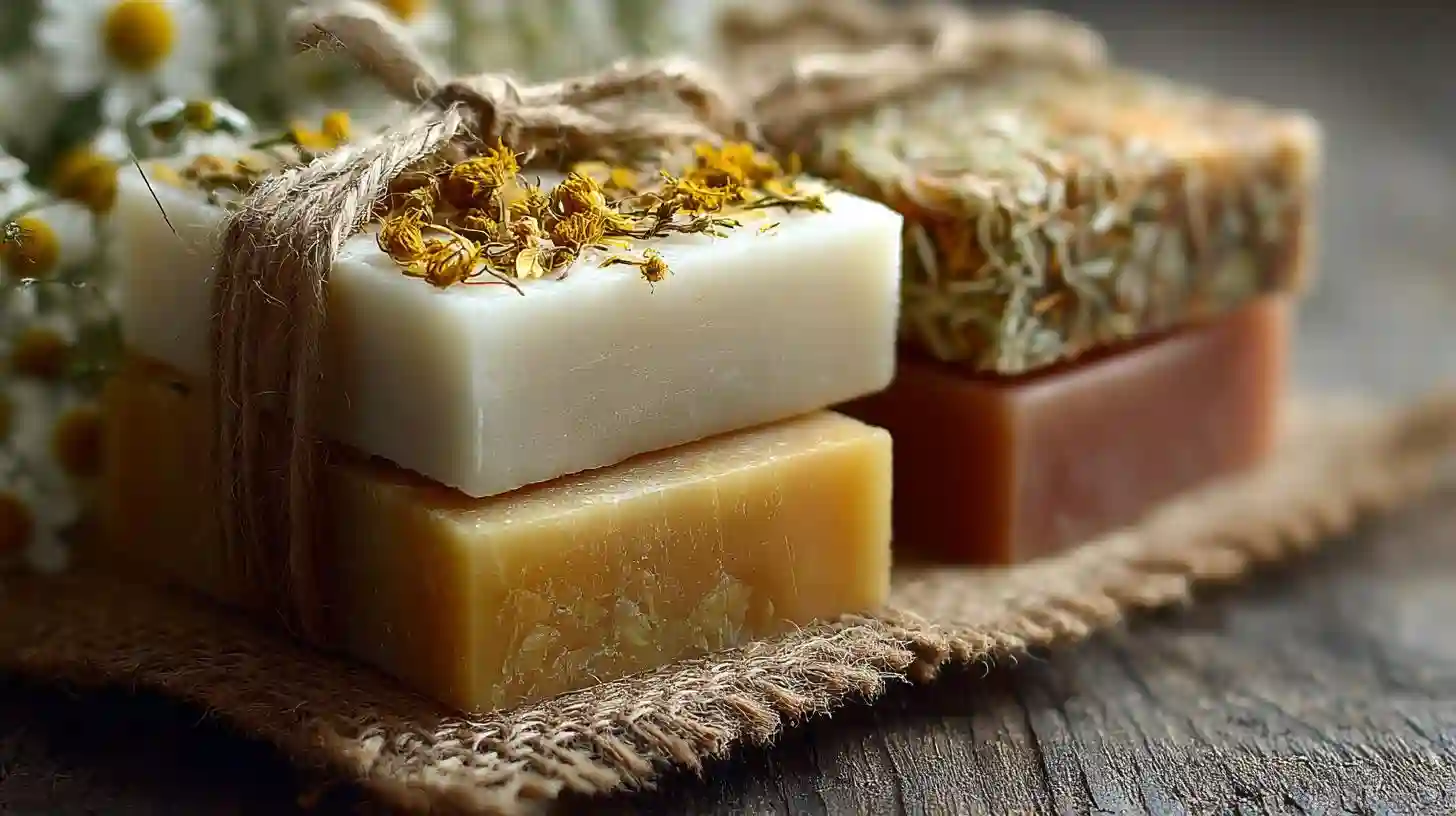
Using natural ingredients in DIY soaps offers numerous benefits for both the skin and the environment. One of the most important advantages is the gentle and nourishing qualities of natural components. Ingredients such as olive oil, coconut oil, and shea butter provide essential vitamins and fatty acids that help to hydrate and protect the skin. These oils work to maintain the skin's natural moisture balance, preventing dryness and irritation, which is especially beneficial for those with sensitive skin.
Another significant benefit of natural ingredients is their ability to soothe and heal the skin. Many plants, such as lavender, chamomile, and calendula, are known for their anti-inflammatory properties. When used in soap-making, these botanicals can help calm skin conditions like eczema, acne, or psoriasis. These ingredients promote healing by reducing redness and swelling, making natural soaps a great choice for individuals with skin concerns.
Moreover, natural ingredients are free from harsh chemicals and artificial fragrances that can strip the skin of its natural oils. Synthetic chemicals often found in commercial soaps can lead to dryness, allergic reactions, and other skin irritations. By using natural oils, clays, and essential oils, DIY soap makers ensure that their products are free from these harmful substances, offering a much gentler alternative for everyday skin care.
Additionally, natural ingredients in soap are often environmentally friendly. Many of the components used in DIY soaps are biodegradable and sustainably sourced, meaning they have less impact on the planet. When choosing natural materials, soap makers can avoid contributing to pollution and chemical waste that is often associated with mass-produced beauty products. Furthermore, making soap at home allows for complete control over the ingredients, ensuring that no harmful additives or preservatives are used, which is a step toward a more eco-conscious lifestyle.