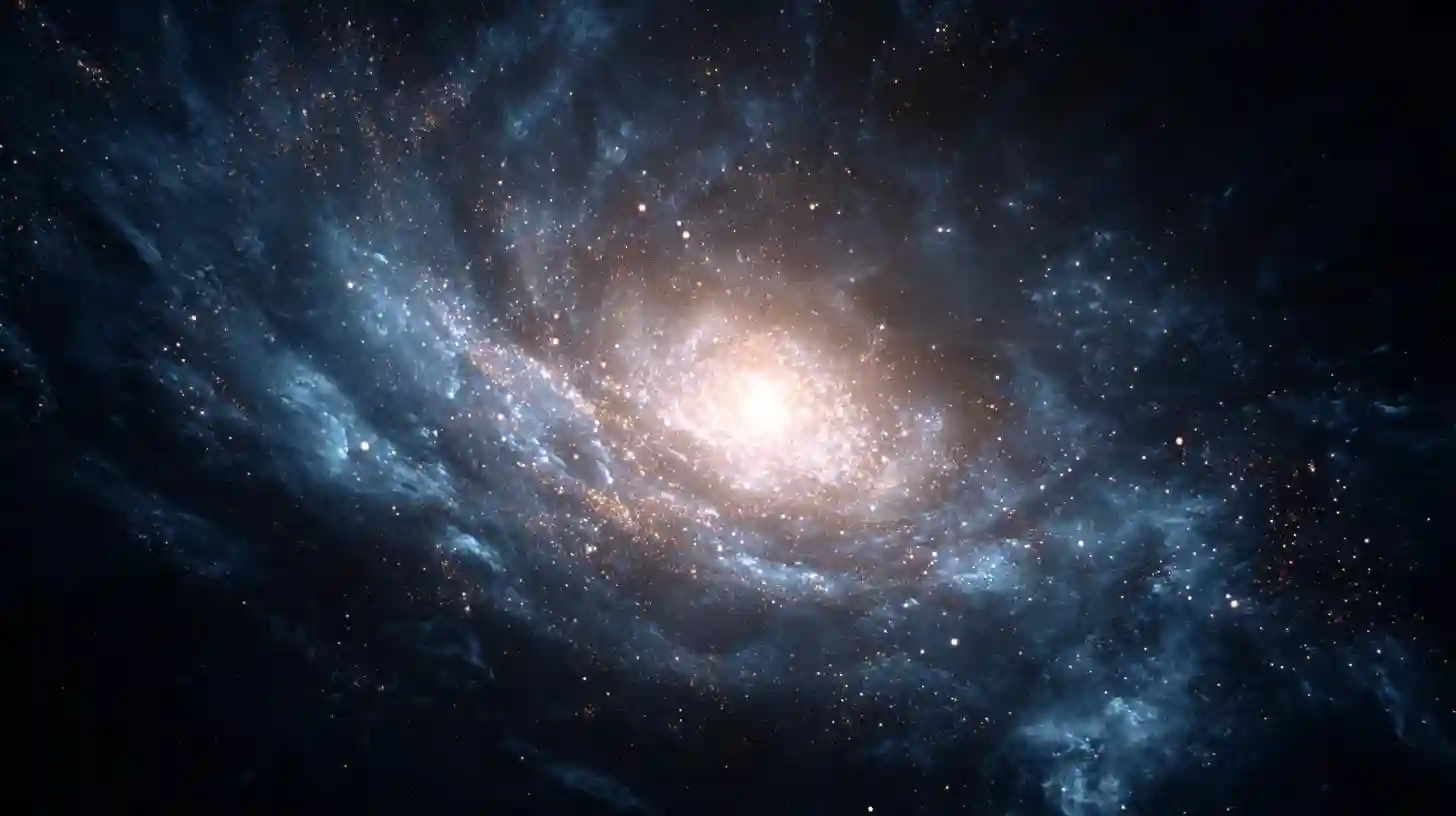
The study of new astronomical phenomena in deep space has increasingly captivated the scientific community, revealing complexities that challenge our understanding of the universe. As technology advances, so too does our ability to detect and interpret signals from regions far beyond our solar system. These new phenomena often manifest in ways that push the boundaries of established theories, forcing astronomers to rethink models of cosmic behavior. One such example is the discovery of fast radio bursts, which appear as extremely brief but intense flashes of radio waves. The origin of these bursts remains a mystery, with hypotheses ranging from interactions of highly magnetized neutron stars to alien technologies, though no explanation has been conclusively proven. Similarly, the detection of gravitational waves has opened an entirely new window into the cosmos. These ripples in spacetime, caused by colossal events such as the collision of black holes, offer profound insights into the nature of space and time itself. However, these waves also raise questions about the nature of mass and energy, suggesting a deeper connection between the fabric of space and the very forces that shape the universe. Furthermore, the emergence of strange objects like rogue planets, which drift freely through space without orbiting a star, challenges traditional ideas of planetary formation. These wandering planets could help unlock further secrets about the evolution of galaxies and star systems. The study of these phenomena is not only enriching our knowledge but also igniting curiosity about what lies beyond the observable universe. Every discovery in deep space, from enigmatic dark matter to the mysterious behaviors of distant galaxies, contributes to a broader picture of the universe's past, present, and future. As technology and observational techniques continue to evolve, we can expect even more exciting revelations that may alter the very way we perceive the cosmos.