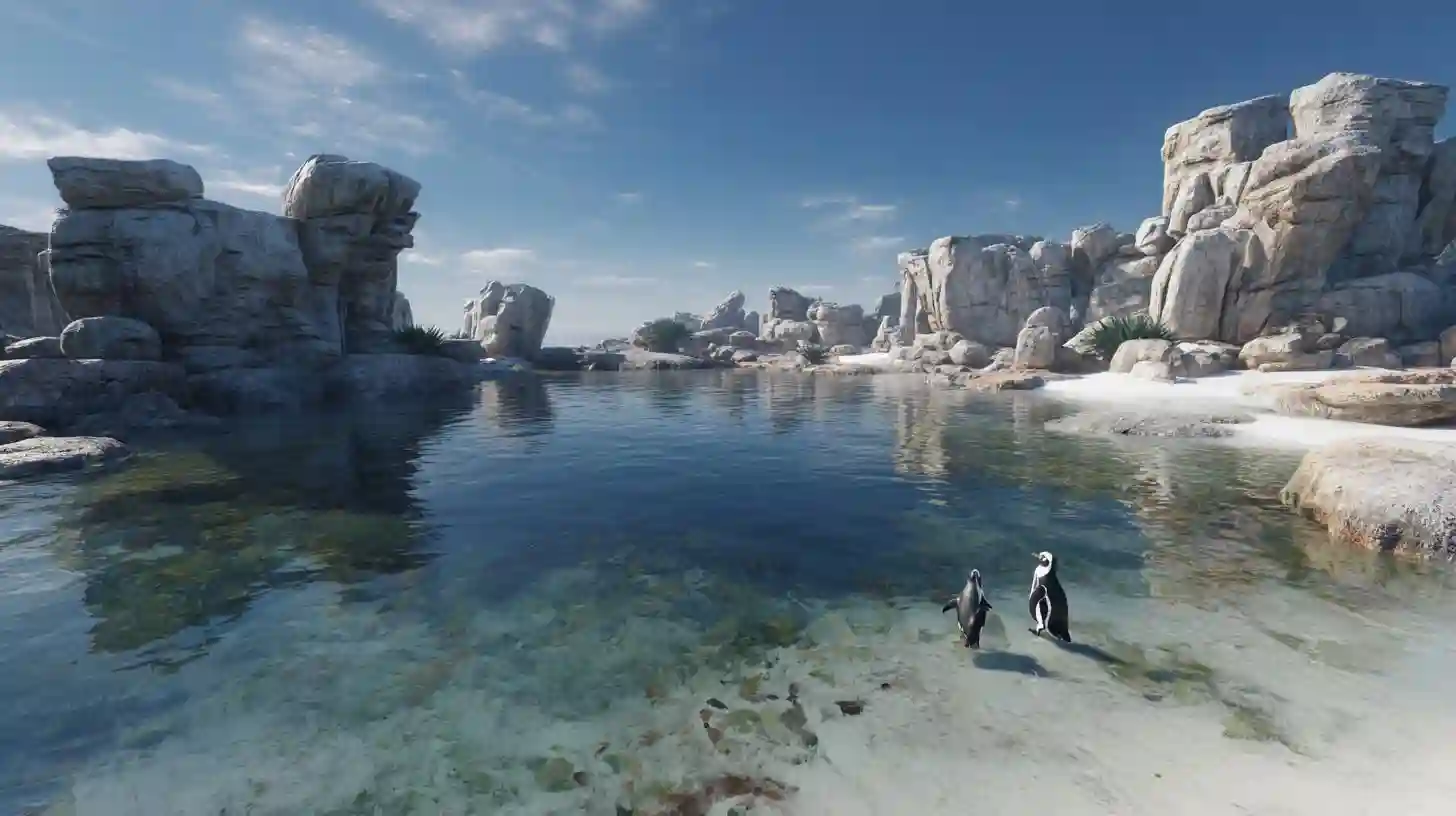
Climate change is significantly altering the habitats of African penguins, a species already facing a range of challenges. These penguins are primarily found along the southwestern coast of Africa, relying on a delicate balance of temperature, food availability, and nesting sites. Rising global temperatures have caused shifts in oceanic conditions, which directly affect the penguins' food sources. As sea temperatures increase, the distribution of their primary prey, such as sardines and anchovies, is becoming erratic. This forces penguins to travel further to find food, which increases their energy expenditure and reduces their breeding success.
Additionally, the rising sea levels and increased storm frequency are eroding the coastal areas where African penguins breed. These birds typically nest in burrows and caves on rocky shorelines, but the erosion and flooding of these habitats threaten their breeding grounds. Without stable and safe nesting sites, the penguins struggle to raise their young, further threatening the species' survival.
Heatwaves are another growing concern for African penguins. As temperatures soar, the penguins face difficulties in regulating their body temperature. This is particularly problematic during the breeding season when they are already under stress from raising chicks. The combination of extreme heat and the depletion of their food supply creates a perfect storm for the species, as they are unable to adapt quickly enough to these changes.
Efforts to protect African penguins involve monitoring their populations, creating conservation areas, and working to mitigate the impacts of climate change. However, the ongoing changes in climate demand more adaptive strategies, including protecting food sources, creating more resilient breeding sites, and reducing human-caused environmental stressors. These measures aim to help the penguins survive in an increasingly unpredictable world.