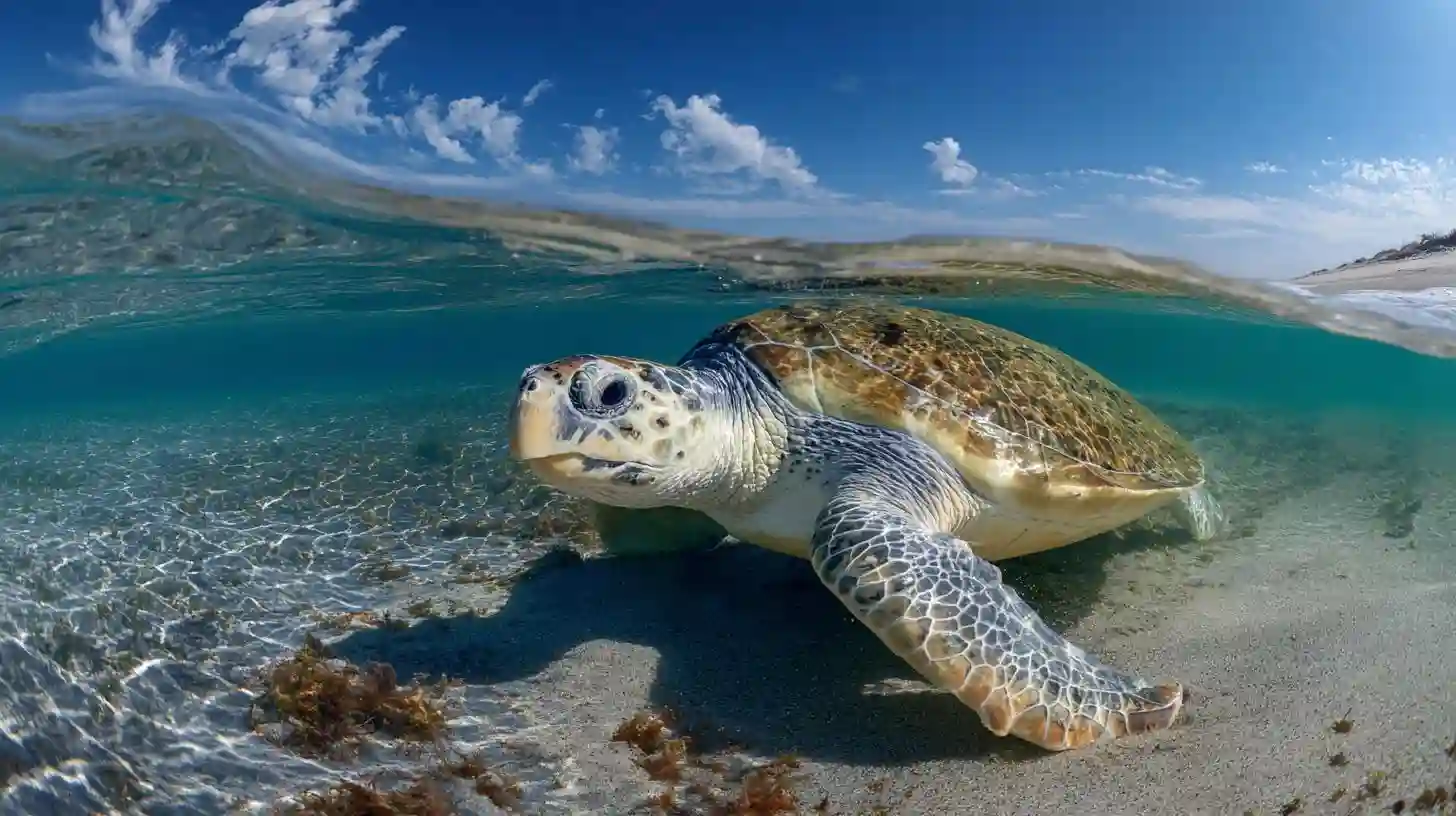
Climate change has become one of the greatest threats to turtle habitats worldwide, affecting both marine and terrestrial environments. As global temperatures rise, the nesting beaches where many species of sea turtles lay their eggs are increasingly at risk. Warmer sands lead to skewed sex ratios, as the temperature of the sand determines the sex of hatchlings. In some cases, this can result in a population dominated by one gender, which poses a long-term threat to the species’ ability to reproduce. Rising sea levels, caused by melting ice caps and the expansion of warm water, also threaten the coastal habitats of these turtles, leading to the erosion of nesting sites and the submerging of critical areas where turtles typically rest or feed. The altered coastline not only reduces the available habitat for turtle populations but also exposes them to greater risks from storms and other extreme weather events, which have become more frequent due to climate change. Additionally, ocean acidification, a direct result of increased carbon dioxide levels, significantly impacts marine life, including the health of coral reefs that are essential to the survival of many turtle species. As these habitats degrade, turtles lose their primary feeding grounds, and the delicate balance of their ecosystem is disrupted. Alongside these physical changes, the warming ocean waters also affect the migration patterns of turtles, as many species rely on specific temperature ranges to navigate across vast oceanic distances. This disruption in migratory routes can lead to difficulties in finding adequate food sources or suitable nesting sites, further exacerbating the challenges turtles face. The combined effects of climate change on turtle habitats create a complex and urgent conservation issue that requires immediate attention to prevent further declines in these ancient creatures’ populations.