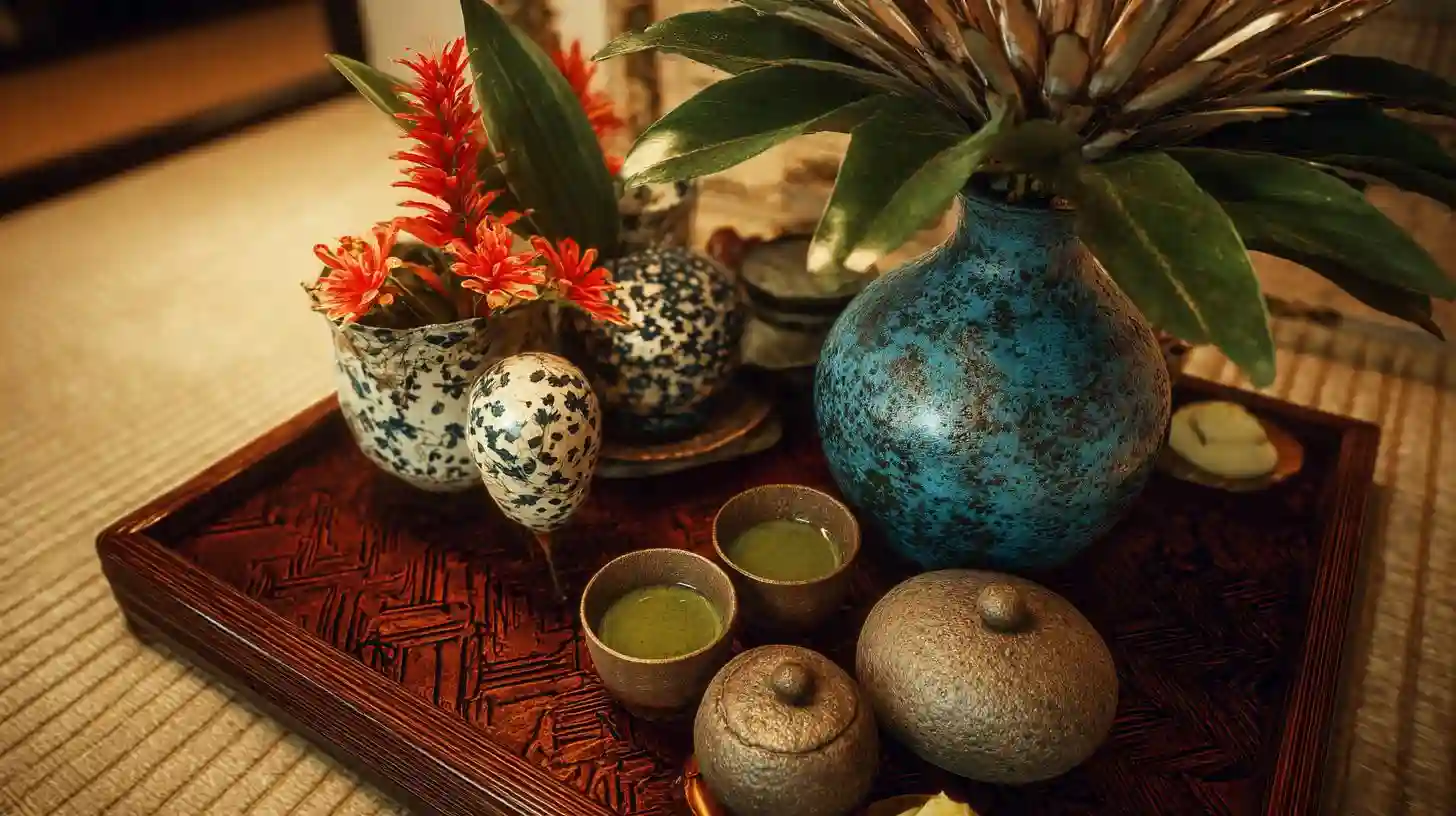
In traditional Japanese tea ceremonies, the art of flower arrangements, known as "ikebana," plays a significant and symbolic role. The floral display is not merely a decorative addition but an essential component that reflects the principles of the ceremony itself. Tea ceremonies are rooted in Zen Buddhism and emphasize concepts such as harmony, respect, purity, and tranquility. These values are echoed through the careful selection, arrangement, and presentation of flowers.
The flowers chosen for a tea ceremony arrangement are often seasonal, symbolizing the passage of time and the fleeting beauty of nature. This focus on nature is an integral part of the philosophy behind the ceremony, where every element, from the tea utensils to the floral display, is selected with deep consideration. Flowers such as chrysanthemums, irises, and camellias are commonly featured, each carrying its own cultural and aesthetic meaning. A single flower might represent simplicity and humility, while a full arrangement may evoke a sense of balance and completeness.
The placement of flowers in the tea room further contributes to the atmosphere of the ceremony. It is often positioned in a tokonoma, a special alcove, where it serves as the focal point of the room. The viewer's gaze is naturally drawn to the flowers, prompting reflection on the transience of life and the beauty of the present moment.
Additionally, the arrangement of flowers follows the principles of ikebana, where space, line, and form are carefully considered to create a harmonious and balanced composition. The skillful arrangement reflects the artistry of the practitioner and their ability to convey emotion and meaning through natural elements. The use of flowers in tea ceremonies thus elevates the experience beyond a simple ritual, transforming it into a meditative practice that encourages appreciation for nature, beauty, and the fleeting nature of life itself.