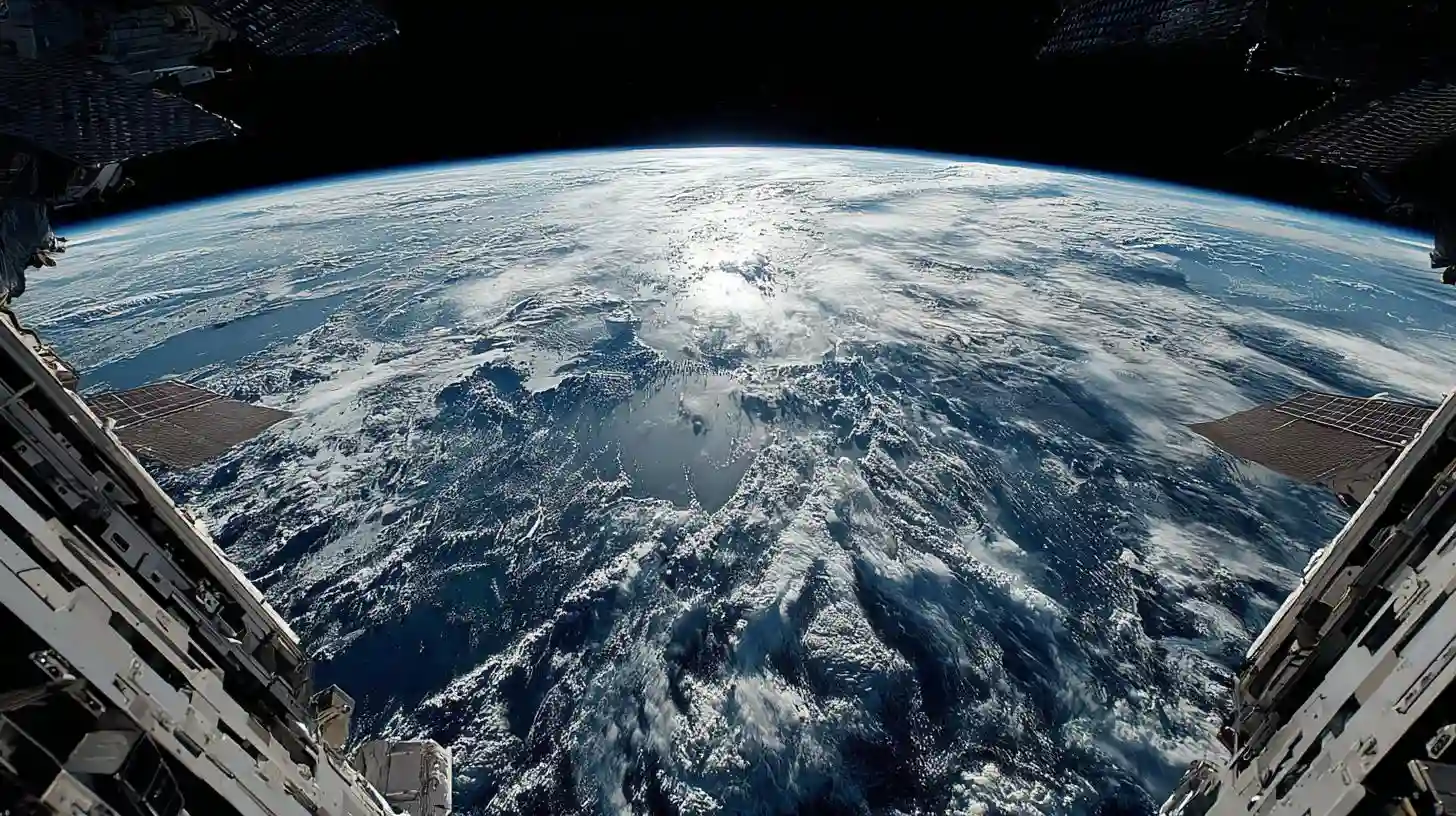
Gravity plays a vital role in shaping many aspects of human health on Earth, but in the environment of space, the absence of gravity leads to numerous health challenges for astronauts. In the microgravity environment of space, the human body undergoes significant changes. Without the constant pull of gravity, the bones of astronauts lose density, a condition known as bone demineralization. The lack of weight-bearing activity means that the bones no longer need to support the body’s weight, leading to their weakening over time. This makes astronauts more vulnerable to fractures, and recovering bone mass after returning to Earth can be a long and difficult process.
Muscle atrophy is another major concern in space. Muscles, particularly those in the legs and back, lose mass and strength because they are not being used to support the body’s weight. This results in a decline in muscle function, which is especially noticeable after extended periods in space. The muscles that control basic movements, such as walking or standing, may require rehabilitation to regain their normal function once astronauts return to Earth. Furthermore, the cardiovascular system also suffers. In space, the heart does not have to work as hard to pump blood throughout the body due to the absence of gravity. As a result, astronauts experience a decrease in heart size and efficiency. This can lead to problems upon returning to Earth, where gravity places additional strain on the cardiovascular system.
Fluid distribution in the body is another area that is affected in space. On Earth, gravity pulls fluids toward the lower extremities, but in space, the fluids tend to shift toward the upper body and head. This shift can cause facial puffiness, pressure on the eyes, and changes in vision. The body also adapts by reducing the volume of blood plasma, which may affect an astronaut’s ability to withstand physical exertion.
The changes that occur in the human body in space highlight the importance of carefully managing health risks during space missions. Medical monitoring and exercise regimens are essential to help counteract these adverse effects, and continued research is necessary to understand and mitigate the long-term consequences of living in space.