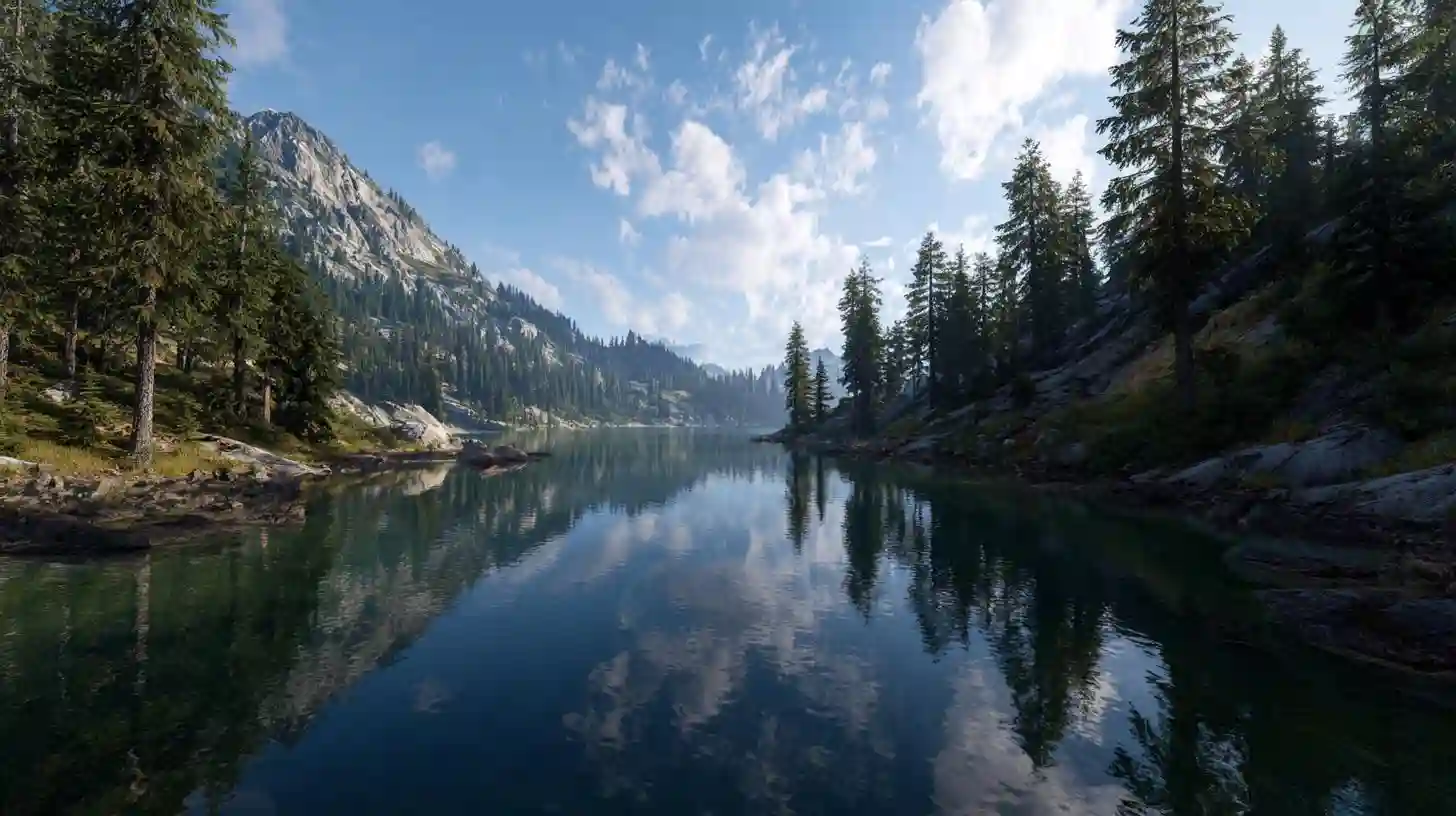
Capturing breathtaking HDR landscape photos requires more than just a good eye and creative vision. Having the right equipment is key to achieving high-quality images that stand out. The first essential piece of gear is a camera that supports a wide dynamic range. While many modern DSLRs and mirrorless cameras come equipped with HDR features, choosing one with high-quality sensors will allow you to better capture the full spectrum of light in your scene, ensuring bright highlights and deep shadows are both visible in the final image.
A sturdy tripod is another crucial item. HDR photography often involves taking multiple exposures of the same scene, and any slight movement between shots can result in blurry or misaligned images. A tripod ensures that the camera stays in the same position, which is especially important when capturing landscapes where the elements such as wind or water movement could introduce motion blur. Make sure the tripod is capable of handling the weight of your camera and lens.
Filters are also useful in HDR landscape photography. A polarizing filter helps to reduce glare and enhance the colors of the sky, water, and foliage. Neutral density filters are another useful tool, especially when shooting long exposures. They allow you to control the exposure time in bright conditions, enabling you to capture smooth, flowing water or create motion effects while maintaining the right exposure.
The right lens can make a big difference in HDR landscape photography. A wide-angle lens is typically the go-to for landscapes, as it allows you to capture more of the scene. It's important to choose a lens that offers sharpness across the frame, as HDR often involves blending multiple images with different exposures, and any distortion or blurriness can be noticeable when the images are merged.
Finally, a remote shutter release or timer is invaluable for reducing camera shake when pressing the shutter button. Even the slightest vibration can ruin a long-exposure shot, so using a remote allows you to take pictures without touching the camera. Some photographers also prefer to use a mirror lock-up function, which minimizes vibrations caused by the mirror mechanism in DSLR cameras.
With the right combination of gear, capturing stunning HDR landscape photos becomes a rewarding experience, allowing you to preserve the full range of light and detail in nature.