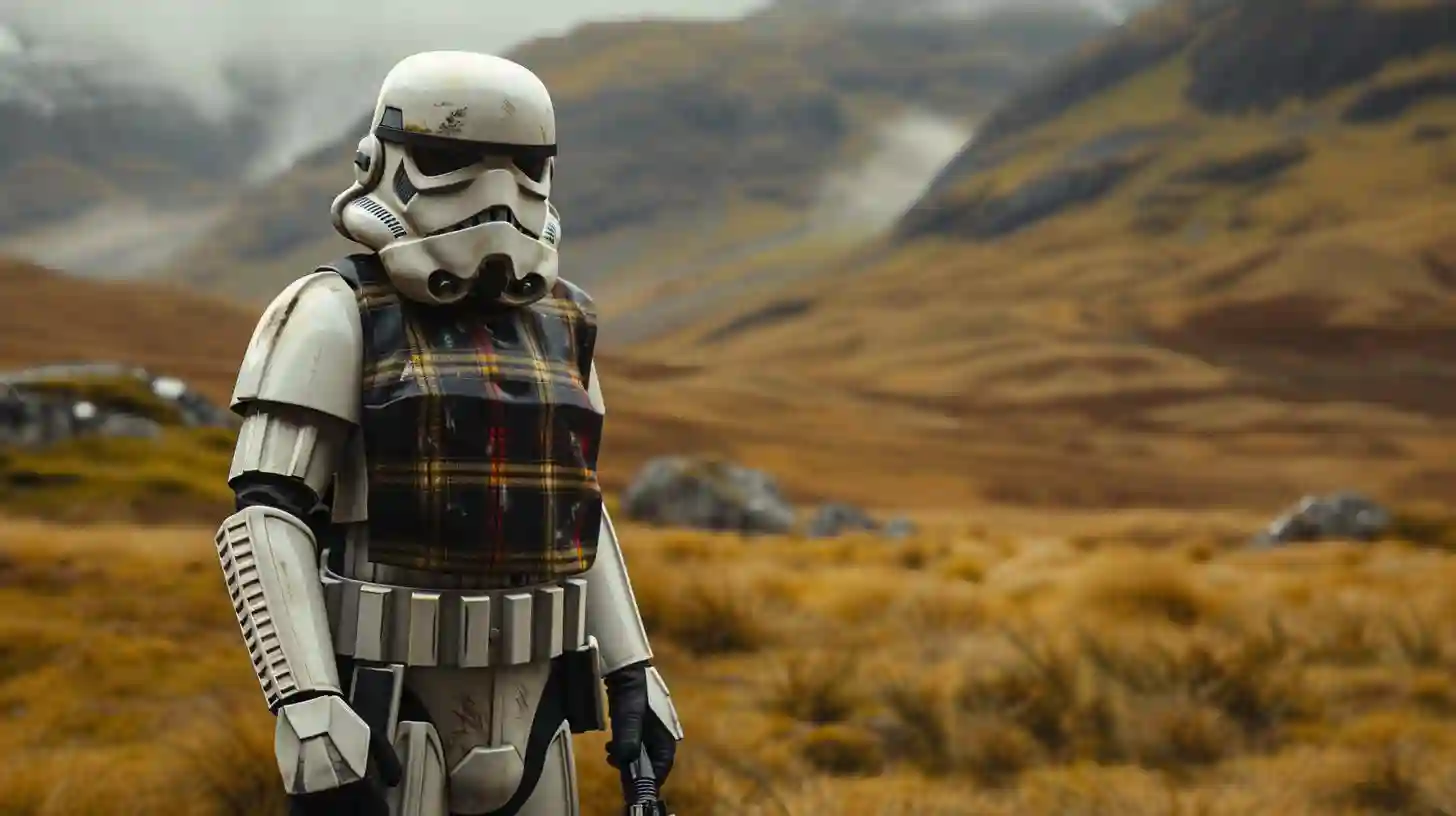
The Scottish Storm Soldiers represent a fascinating aspect of military history that captures the imagination and admiration of those intrigued by valor and resilience. This group of soldiers, often associated with the fierce and rugged landscape of Scotland, embodies the spirit of a nation characterized by its traditions, culture, and enduring natural beauty. These soldiers have played critical roles throughout history, often serving in noted battles and conflicts, leaving behind a legacy of courage and honor.
The roots of the Scottish Storm Soldiers can be traced back to the historic clans of Scotland. Clans were not merely family units; they represented communal ties, loyalty, and kinship, serving not only as social structures but also as military units. The most renowned of these clans, such as the Campbells, the MacKenzies, and the Gordons, have stories intertwined with Scotland's military past. During times of war, these clans would rally together to defend their land, leading to the formation of formidable fighting forces. The rugged terrain of the Scottish Highlands provided both a natural fortress and a training ground for soldiers, who became adept at navigating the challenging landscape.
The notorious struggles for independence in Scotland, primarily during the thirteenth and fourteenth centuries, showcased the determination of these Scottish soldiers. Figures like William Wallace and Robert the Bruce emerged as icons of resistance against English domination during the Wars of Scottish Independence. The engagements at Stirling Bridge and Bannockburn stand as testament to the courage exhibited by Scottish forces, renowned for their tactical ingenuity and fierce fighting spirit. While these events were characterized by chaos and bloodshed, they also highlighted the camaraderie among the soldiers, a bond forged in hardship.
As time marched on, the Scottish Storm Soldiers transitioned into a formalized military structure. By the time the British Army consolidated its forces, Scottish regiments became an indispensable part of the overall military apparatus. The Highland Regiments, such as the Black Watch and the Seaforth Highlanders, emerged, becoming noted for their distinctive dress, including kilts and feather bonnets. This attire not only showcased the rich cultural heritage of Scotland but also instilled a sense of pride and identity among the soldiers.
Scottish soldiers were vital during both World Wars, with their bravery evident on numerous fronts. In the First World War, regiments comprised largely of Scottish men fought valiantly in various battles, including the Somme and Passchendaele. Their participation contributed to the larger narrative of a global conflict, where men from diverse backgrounds stood united against a common foe. The unique experiences of Scottish soldiers during this time were marked by both heroism and immense tragedy. The Highland soldiers were known for their unmatched bravery but also faced the grim realities of trench warfare, which resulted in substantial losses.
The Second World War further cemented the reputations of Scottish soldiers. They played crucial roles in key campaigns, such as the Battle of El Alamein and the D-Day landings. The courage exhibited during these operations reflected not only their training and skills but also the storied history that preceded them. Many soldiers came from tight-knit communities, carrying the hopes and expectations of their families and neighbors into battle. Their commitment to each other, as well as to their homeland, shone through in their actions.
One cannot contemplate the legacy of Scottish Storm Soldiers without acknowledging their relationship with the local populace. Highland communities have historically supported their troops, providing resources and encouragement, ensuring that the soldiers felt a connection to their roots even while serving far from home. The traditions, tunes, and tales shared around hearths formed the emotional backbone for many of these fighters. Bagpipes, a significant symbol of Scottish culture, often accompanied soldiers into battle, imbuing them with a fierce spirit. The haunting yet uplifting melodies served as reminders of homeland and heritage, transcending the battlefield's chaos.
The modern conception of the Scottish soldier continues to evolve, yet the values of loyalty, bravery, and camaraderie remain steadfast. Today, members of regiments such as the Royal Regiment of Scotland uphold the traditions born from centuries of military history. They participate in peacekeeping operations, embodying the same spirit as those who fought in bygone eras, yet they also adapt to contemporary challenges and engage in varied conflicts worldwide.
The evolution of the Scottish Storm Soldiers can also be seen through their contributions to elite forces such as the Special Air Service. This transition illustrates the capacity of Scottish soldiers to not only uphold their storied traditions but also embrace modern military innovation. As the demands of warfare evolved, so too did the strategies and training methodologies of these soldiers. This adaptability is a hallmark of the Scottish military spirit, which remains an inspiration to future generations.
Inextricably linked to their military history is the cultural impact that Scottish Storm Soldiers have had on global narratives of bravery and endurance. Literature, film, and art document the stories of these soldiers, often portraying their struggles and heroism in ways that inspire admiration. Works such as "Braveheart" dramatize the historic struggles, using the backdrop of the Scottish landscape to deepen the emotional resonance of their tales. Such representations have left an indelible mark on the popular imagination, cementing the image of the Scottish soldier as a symbol of tenacity and fierce independence.
Throughout the centuries, the endurance and bravery of Scottish Storm Soldiers have shaped not only the fortunes of their homeland but also impacted global histories. Their contributions to major historical events, their relationships with communities, and their embodiment of cultural traditions underscore the significance of their legacy. As new challenges emerge in a changing world, the story of the Scottish soldier continues to resonate, inspiring those who value courage, loyalty, and an unwavering commitment to their homeland and comrades. The indomitable spirit of these individuals ensures that their history and ideals will endure, celebrating the unique contributions of Scottish warriors on both the battlefield and the broader canvas of history.