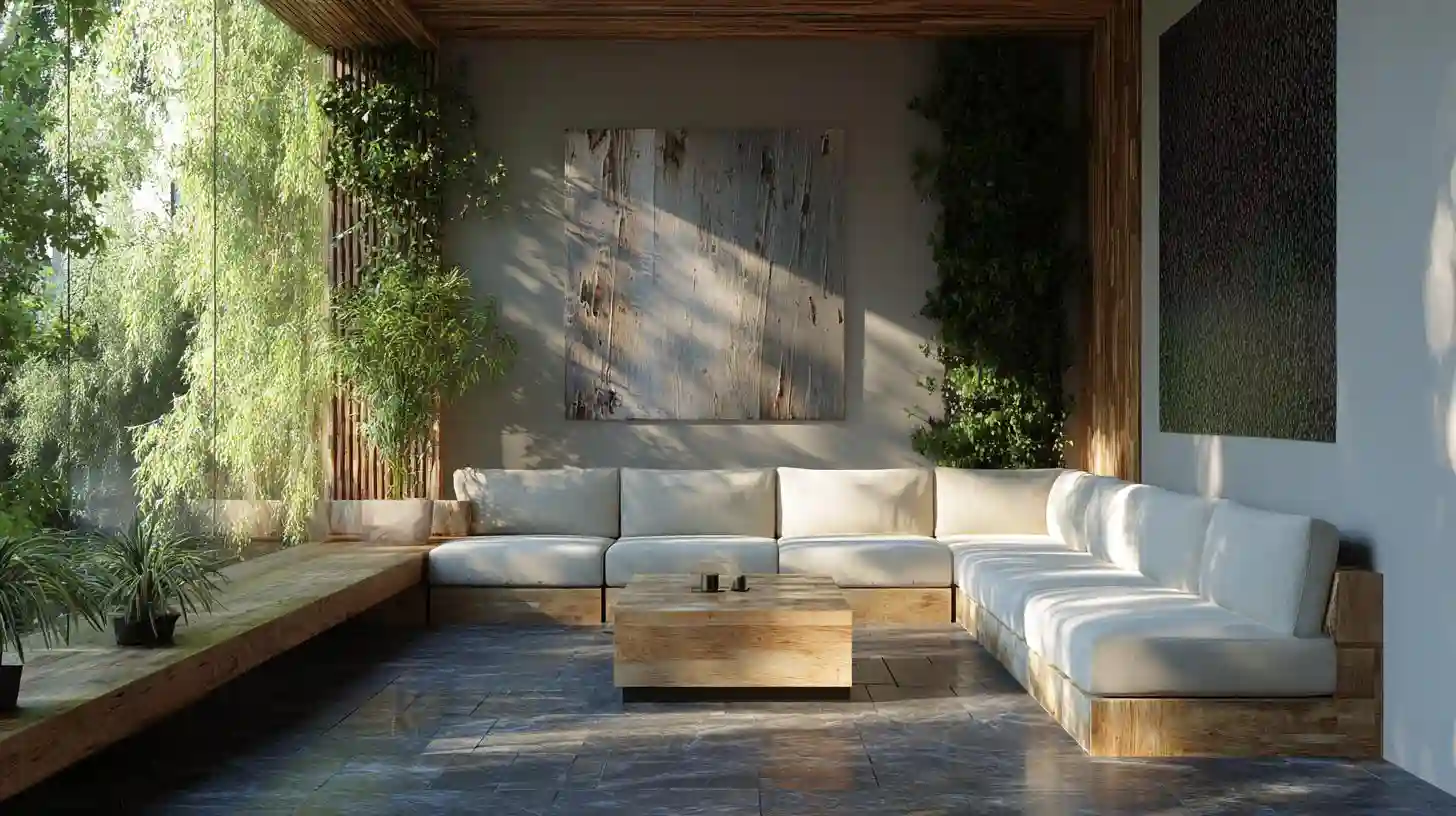
As sustainability becomes a growing concern, eco-friendly furniture trends have taken center stage in modern interiors. Homeowners are increasingly opting for furniture that not only enhances the aesthetic of their living spaces but also supports environmental preservation. One of the most notable trends is the use of reclaimed wood. This material, sourced from old buildings, barns, and warehouses, brings a rustic, timeless quality to interiors while minimizing the need for new lumber. Furniture made from reclaimed wood often has a unique character, showcasing the wood’s history with natural imperfections that add charm and personality to any room.
Another trend gaining momentum is the use of sustainable materials like bamboo, cork, and hemp. Bamboo, known for its fast-growing nature, is a renewable resource that makes it an excellent choice for eco-conscious furniture. It is incredibly versatile, strong, and can be used to craft everything from chairs to tables, providing both durability and sustainability. Cork, harvested from the bark of cork oak trees without harming the trees themselves, is another eco-friendly material gaining popularity. It offers a soft, tactile quality and is being used in a variety of applications, including cushions, upholstery, and even flooring.
Eco-friendly furniture is also leaning towards minimalist designs. By focusing on simple shapes and functional pieces, manufacturers can reduce the amount of material used, making the pieces both efficient and environmentally friendly. This approach also aligns with the growing trend of creating clutter-free living spaces, where quality over quantity is prioritized. Additionally, the use of non-toxic paints and finishes ensures that the furniture doesn’t emit harmful chemicals, making it healthier for both the home’s inhabitants and the planet.
Upcycled furniture has become an appealing option for those looking to reduce their carbon footprint while adding a touch of creativity to their homes. By reimagining old, unwanted pieces, designers and DIY enthusiasts breathe new life into furniture, giving it a second chance at functionality. This movement not only helps prevent waste but also promotes individuality, as each upcycled piece is one-of-a-kind, contributing to the uniqueness of the interior.