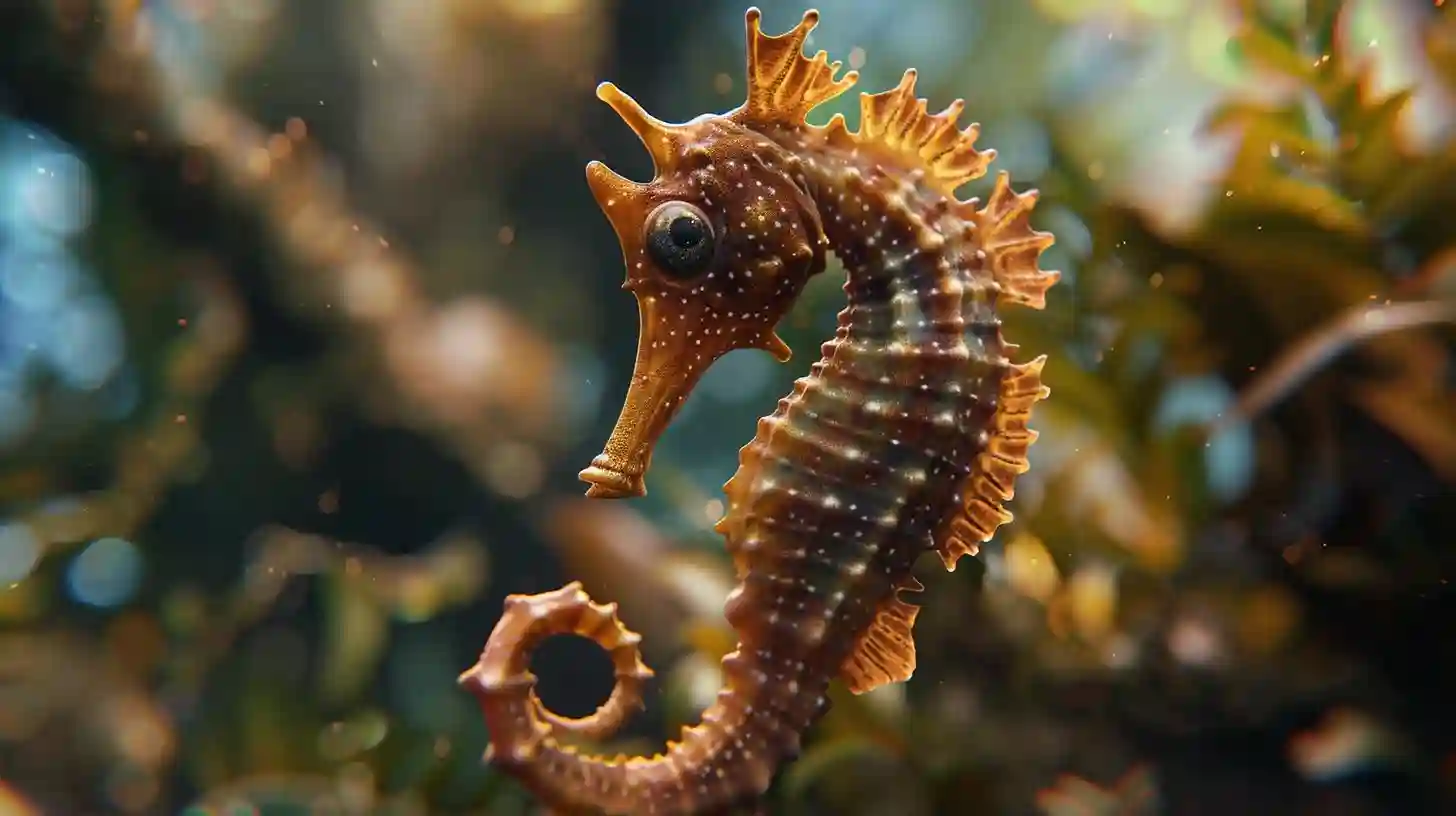
The seahorse, a captivating little creature found in temperate and tropical waters across the globe, possesses a unique trait that sets it apart from most other fish: the male seahorse takes on the role of the caregiver and nurturer. This remarkable role reversal makes the seahorse daddy not just a subject of fascination for marine biologists but also a symbol of unconventional parenting in the animal kingdom.
Male seahorses are distinctive for their ability to give birth, a process that begins with a courtship dance. During this elaborate display, the male and female seahorse engage in a series of graceful twists and turns that can last for days. This ritual strengthens their bond and synchronizes the timing of the female’s egg release. The female deposits her eggs into a specialized pouch located on the male's abdomen, an organ that serves both to protect the developing embryos and to offer them nourishment.
This pouch is a marvel of biological engineering. Inside, it is lined with a complex network of tissues that provide a safe environment for the developing young. The pouch is not merely a passive vessel; it regulates the saline and nutrient content, mimicking the conditions found in the ocean. By creating a controlled environment, the seahorse daddy ensures that his offspring have the best chance of survival.
After the female lays her eggs, the male seahorse fertilizes them inside his pouch. Over the course of several weeks, the embryos develop and grow. The length of this gestation period varies among species and can last anywhere from ten days to several weeks, depending on environmental conditions and species-specific factors. During this time, the male seahorse experiences physical changes as his pouch expands to accommodate the growing young. This is not only a period of gestation but also one filled with significant parental investment.
When the embryos are ready to hatch, the male goes through a process that resembles labor. He will contract his pouch rhythmically to push the tiny seahorses out into the world. Each birth can release dozens or even hundreds of tiny seahorse fry. These little creatures, mere fractions of an inch long, are fully formed and must immediately swim away to avoid predators. At this moment, the role of the seahorse daddy evolves once again; his job is done, and he must leave the fry to fend for themselves in the vast and often dangerous ocean.
The role of the male seahorse as a caregiver is not just fascinating from a biological perspective; it also challenges traditional notions of gender roles in nature. While many cultures view nurturing and caregiving as predominantly feminine traits, the seahorse serves as a counterexample from the animal kingdom. Observing the dedication of seahorse daddies can lead us to rethink and broaden our understanding of parenting roles, not just in nature but also in human society.
Research has shown that this unique reproductive strategy has evolved due to various ecological pressures. In species where male parental care is prominent, it often leads to increased offspring survival rates. In a world where predation is high, the ability of males to protect and nurture the young provides a significant evolutionary advantage. This is particularly true in environments where the fry are vulnerable and susceptible to being eaten by larger fish.
Interestingly, the male seahorse’s role does not end with mating and giving birth. Many species exhibit remarkable behaviors that further illustrate the extent of parental care. After birth, male seahorses have been observed engaging in post-birth care, ensuring the safety of the fry in their early days in the open water. They remain vigilant, protecting their tiny offspring from potential predators, showcasing a level of nurturing behavior that is often overlooked.
Communication between seahorse parents is also a vital aspect of their remarkable partnership. The courtship behaviors displayed by both male and female seahorses are not just for attraction but also emphasize the importance of teamwork in nurturing their young. The bond formed during this mating dance fosters a sense of cooperation and trust that is crucial throughout the reproductive process.
Seahorse daddies display a fascinating blend of instinct and adaptability as they navigate their roles. In some areas, changes in water temperature, salinity levels, and other environmental factors can significantly impact the breeding success of seahorse populations. These changes can drive the evolution of their reproductive strategies, showcasing how these creatures adapt to their surroundings. The ability to shift their parenting approach in response to environmental threats underscores their resilience and complexity as a species.
The view of seahorses as unique parental figures has captured the attention of not only biologists but also artists and writers. Numerous artworks, literature, and documentaries have celebrated these enchanting creatures, highlighting their captivating beauty and intriguing behaviors. The image of the male seahorse tenderly cradling his young in his pouch resonates with themes of vulnerability, protection, and care, creating a powerful narrative that extends beyond the ocean.
Conservation efforts often spotlight the seahorse due to their specialized habitat needs and the threats they face from human activities, including habitat destruction and overfishing. As the guardians of their young, male seahorses represent a vital link in the fragile marine ecosystem. Protecting their habitats is not only crucial for their survival but also for the myriad marine species that depend on the same environments. Raising awareness about the plight of seahorses further emphasizes the importance of conservation and recognizing the depth of parental care in the natural world.
Through the life cycles of these mesmerizing creatures, we are reminded of the diverse and sometimes surprising ways life propagates itself. The role of the seahorse daddy serves as a beautiful example of how nurturing and caregiving can take many forms, transcending traditional notions of gender and parental roles. In a world filled with diversity and complexity, the seahorse and its unique parenting practices offer insight into the evolution of life and relationships across various species.
The story of the seahorse daddy continues to inspire inquisitive minds and spark conversations about the essence of parenthood, love, and resilience. By exploring these extraordinary creatures, we uncover not only the intricacies of their reproductive behavior but also the broader implications for understanding relationships within our own species and the myriad ways in which life flourishes in all its forms.