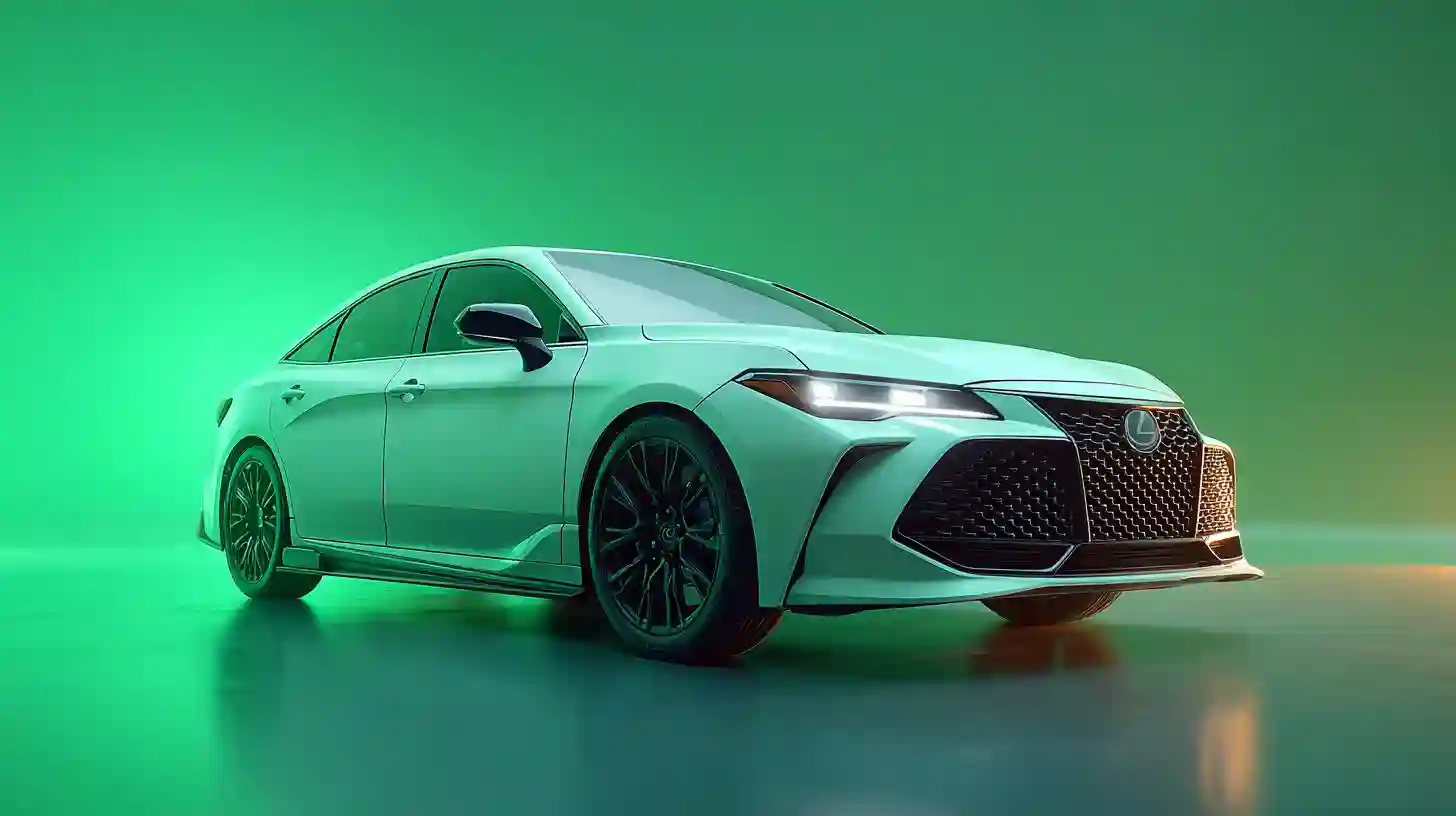
Owning a plug-in hybrid vehicle comes with its own set of challenges and benefits. One of the primary benefits is the ability to drive short distances purely on electric power, significantly reducing fuel consumption. This is especially advantageous for people who use their cars primarily for daily commuting. In addition, the presence of a gasoline engine allows the vehicle to travel longer distances, alleviating concerns over the range limitations commonly associated with fully electric vehicles. The option to recharge the battery at home or at public charging stations makes it convenient for drivers to take advantage of electric power whenever possible, further cutting down on fuel costs and emissions. Another key benefit is the potential for government incentives, including tax credits and rebates, which can lower the upfront cost of the vehicle, making it an attractive option for environmentally-conscious consumers.
However, owning a plug-in hybrid also presents some challenges. One of the main difficulties is the initial purchase price, which can be higher than that of a traditional gasoline-powered vehicle. Despite the long-term savings on fuel, the higher upfront cost can be a deterrent for many potential buyers. Additionally, maintaining two separate powertrains—electric and gasoline—can lead to increased complexity and higher maintenance costs compared to conventional cars. While plug-in hybrids generally require less maintenance than purely gasoline-powered vehicles, the need to maintain both systems can sometimes result in more frequent servicing. Furthermore, plug-in hybrid owners must also consider the availability and convenience of charging stations, especially if they frequently travel to areas with limited access to charging infrastructure. Charging times, though faster than fully electric vehicles, may still be a factor to consider for those who rely heavily on their cars for long trips.
Another consideration is the environmental impact. While plug-in hybrids offer the benefit of reduced emissions when running on electric power, the overall environmental footprint still depends on how often the gasoline engine is used. If the vehicle is not regularly charged or if the driver frequently relies on the gasoline engine, the vehicle's impact on the environment may not be as low as expected. The battery, although offering electric driving capability, also has an environmental cost in terms of its production and disposal, adding another layer of complexity to the sustainability argument. Ultimately, while plug-in hybrids offer a middle ground between traditional gasoline-powered vehicles and fully electric vehicles, they come with a balance of advantages and drawbacks that potential owners must weigh carefully.